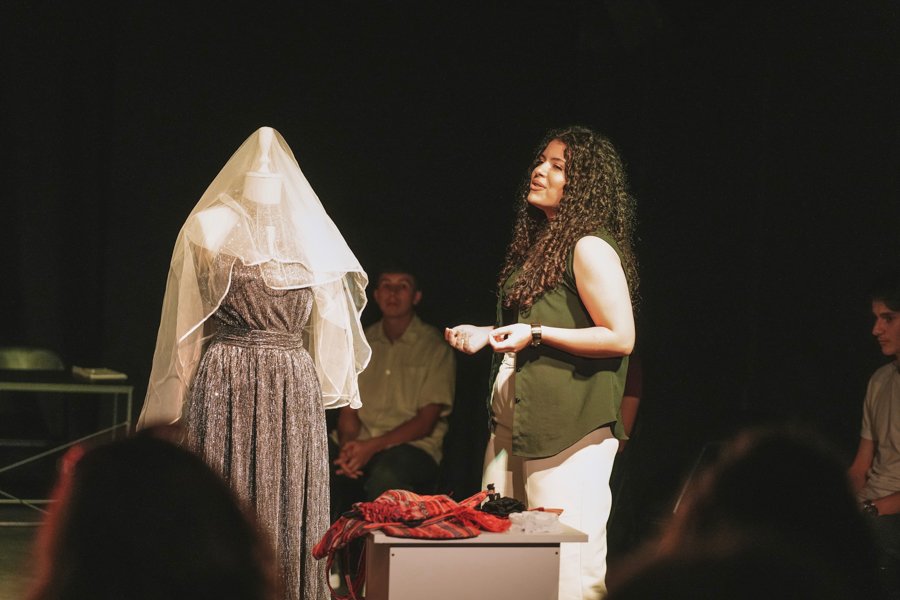
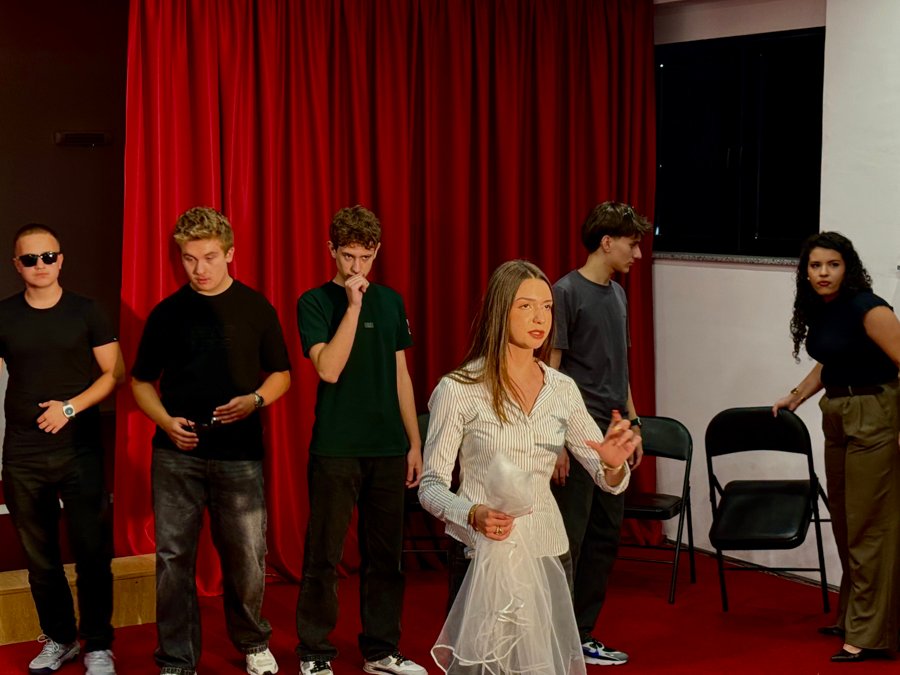
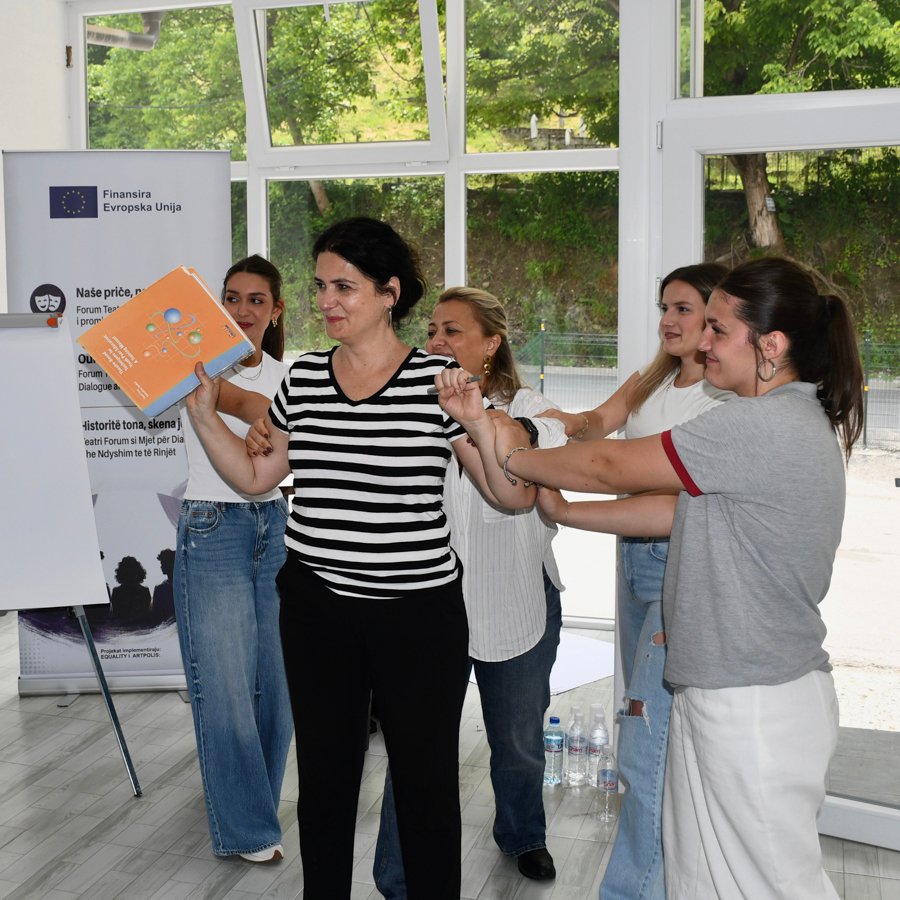
“Our Stories, Our Stage” brought dialogue to Barabar Centre, Prishtina
July 16, 2026
July 16, 2026
July 14, 2026
June 8, 2026

May 25, 2026
August 24, 2026
August 10, 2026
August 9, 2026
September 27, 2024

March 22, 2023
Discussion panels Mësim Jo Ngacmim EN
December 15, 2025
10.12.2025
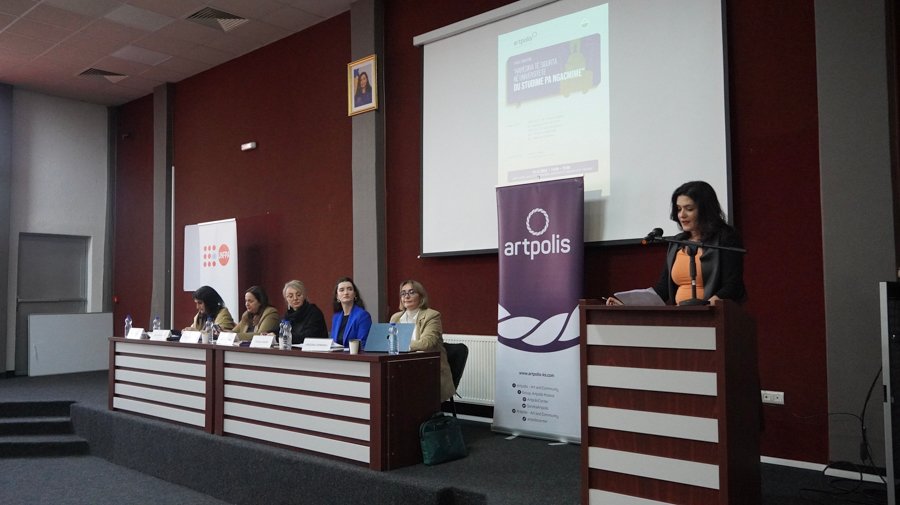
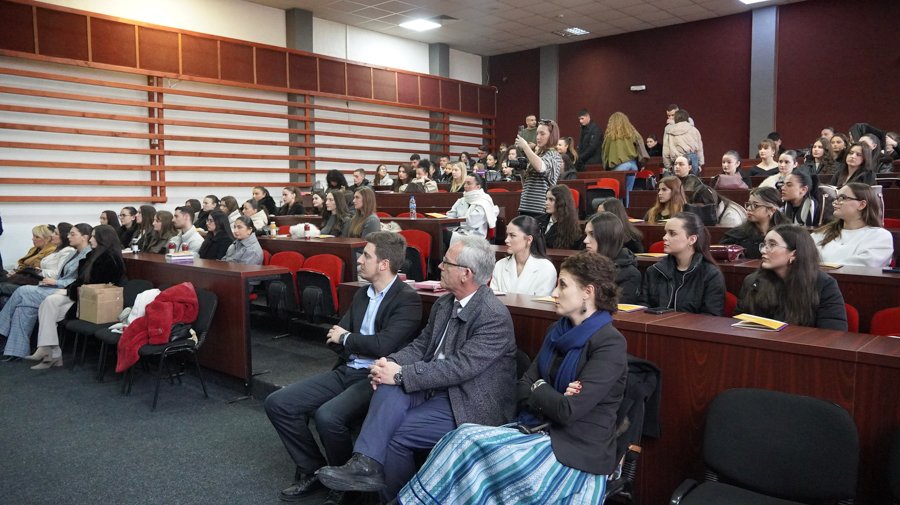
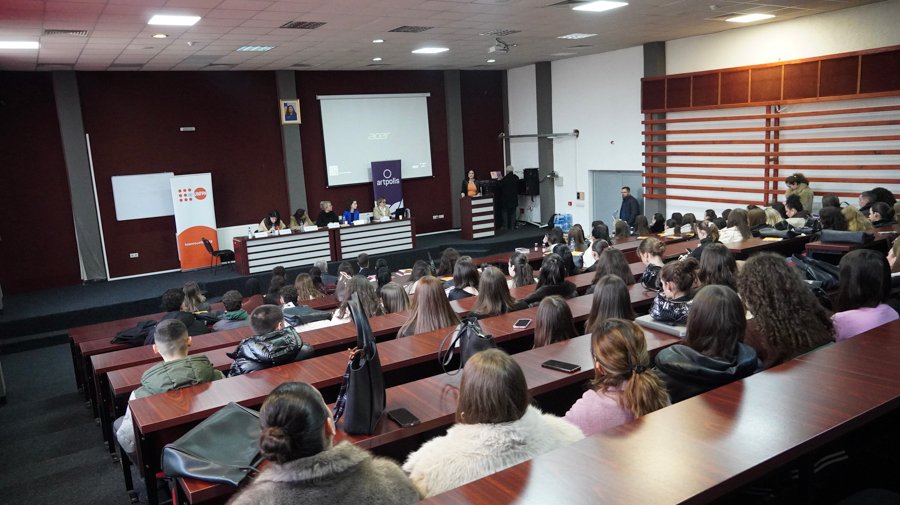
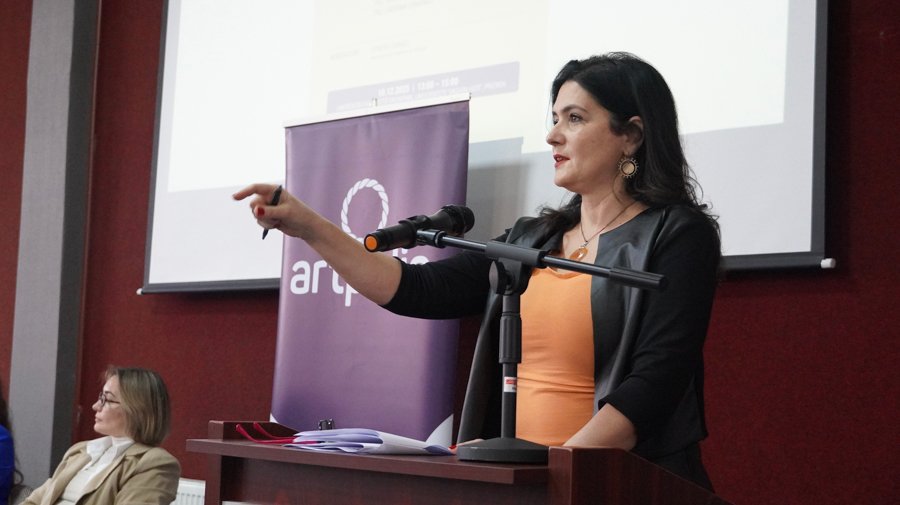
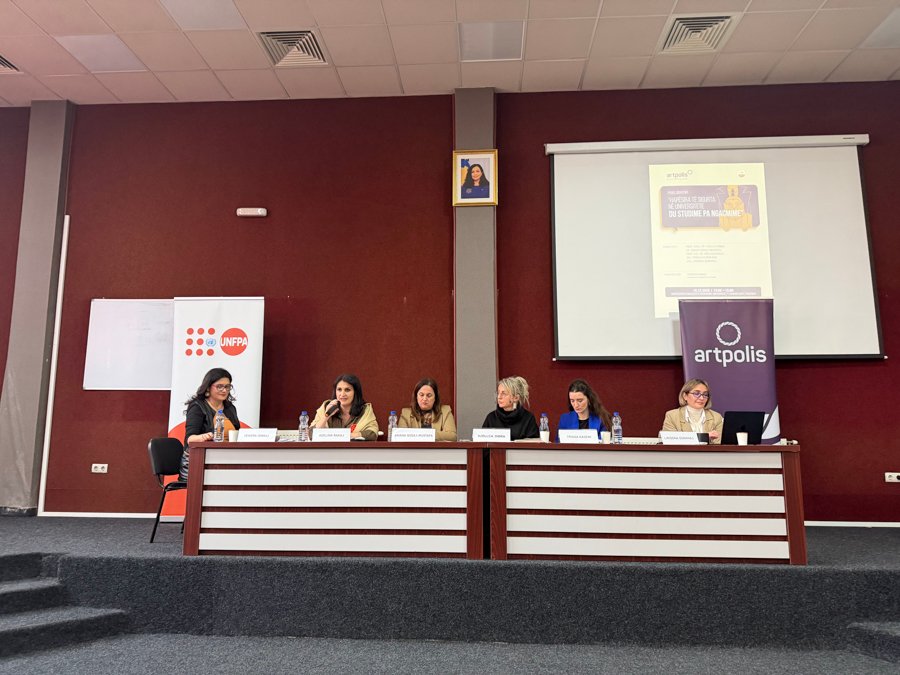
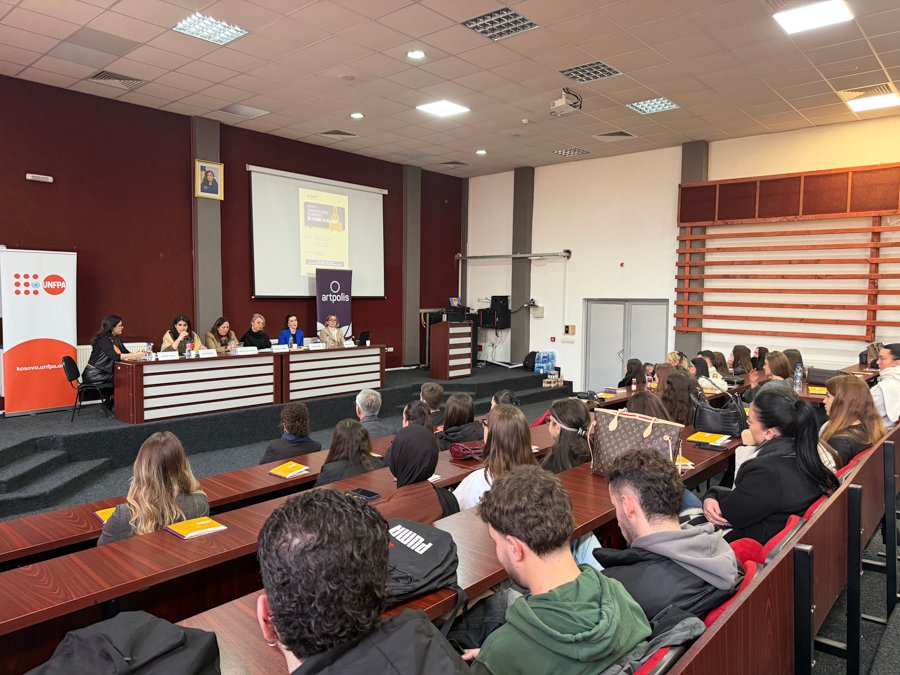
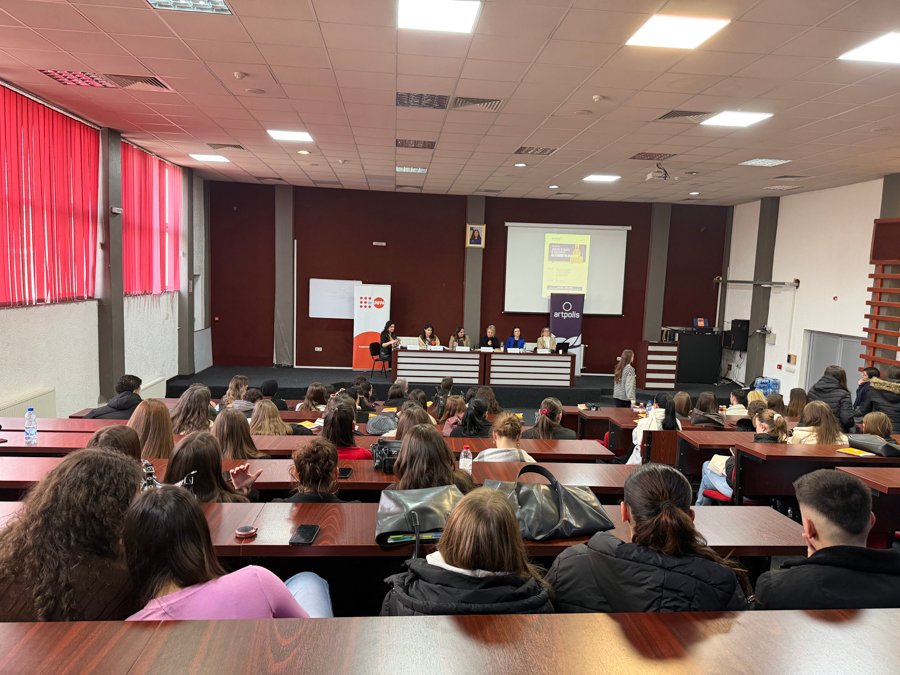
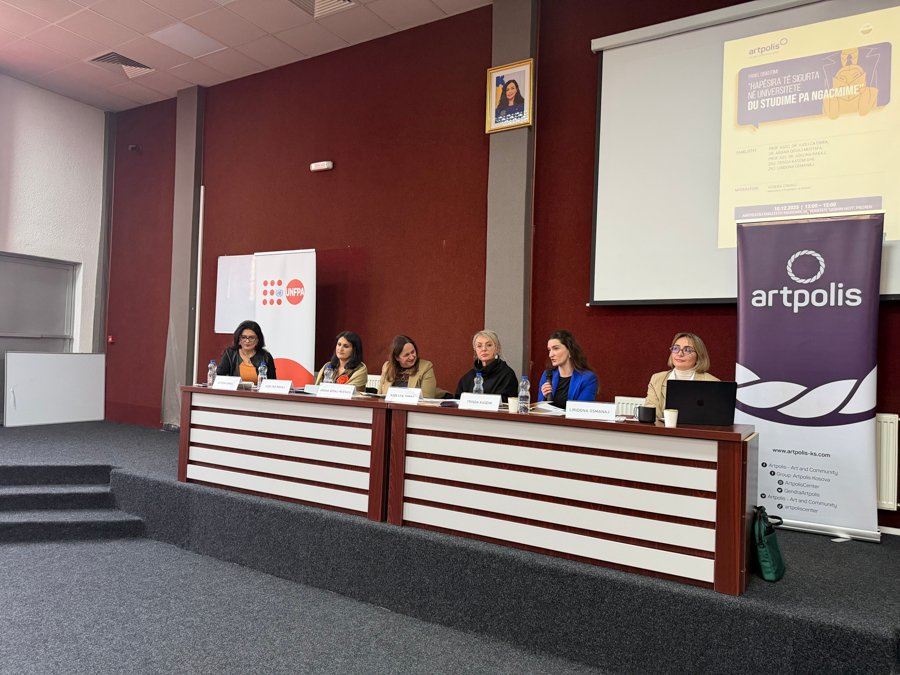
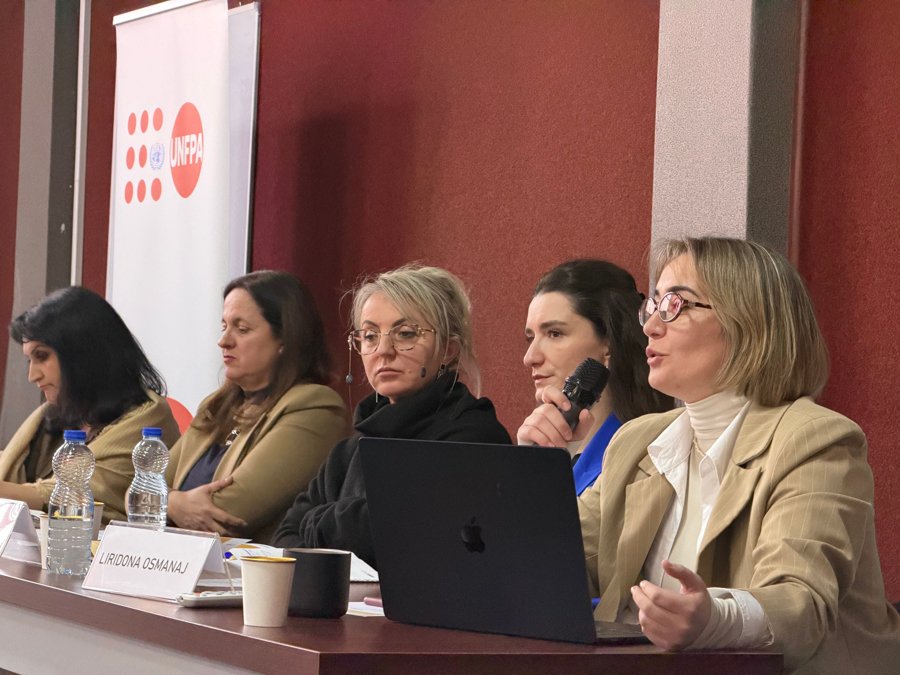
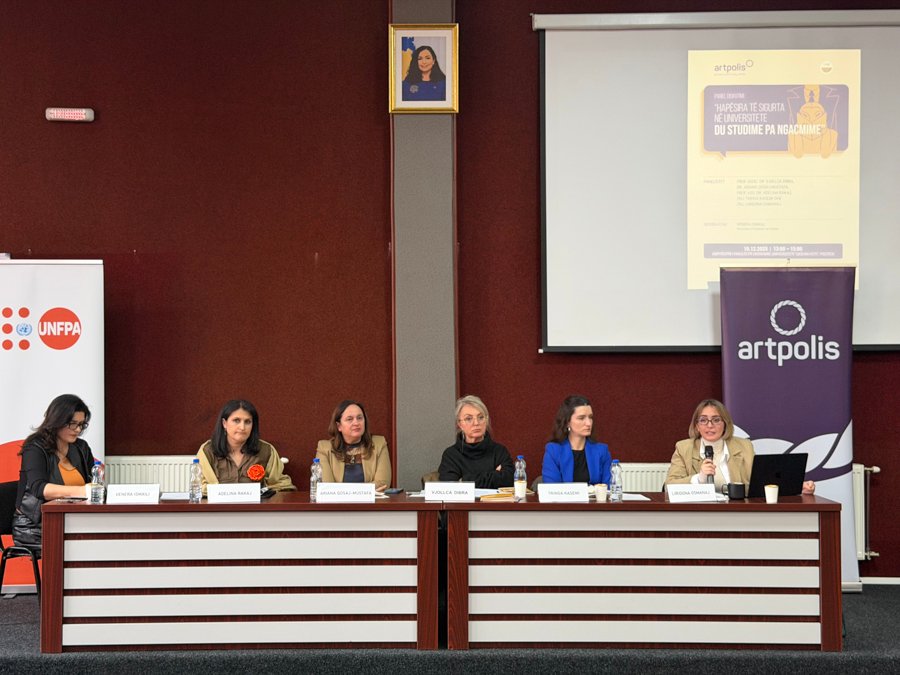
Marking the conclusion of the Global Campaign “16 Days of Activism Against Gender-Based Violence” and in observance of International Human Rights Day, on December 10, 2025, Artpolis organized the panel discussion “Study Without Fear, Learn Without Harassment”, in cooperation with the University of Prizren “Ukshin Hoti” and with the support of UNFPA.
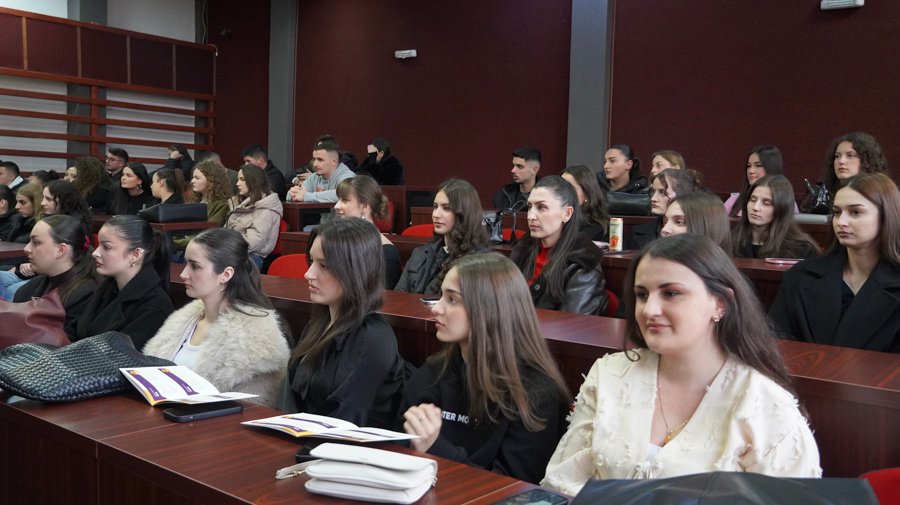
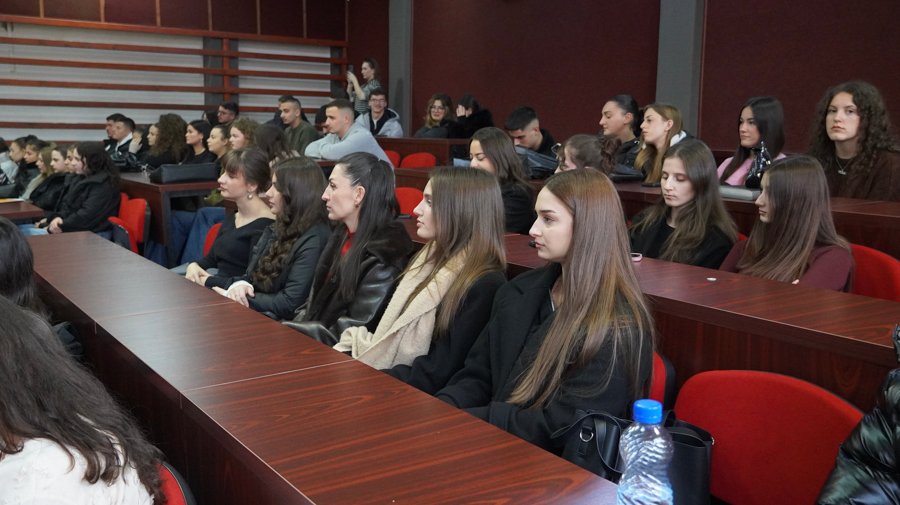
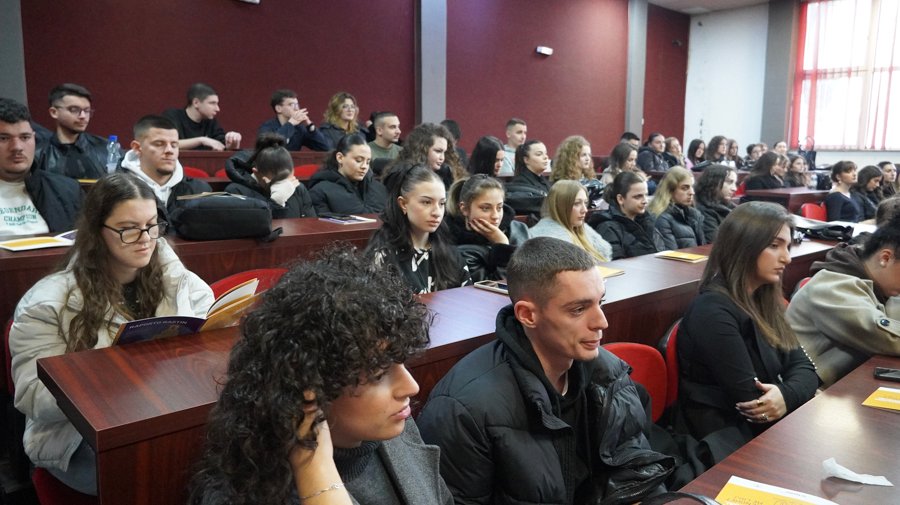
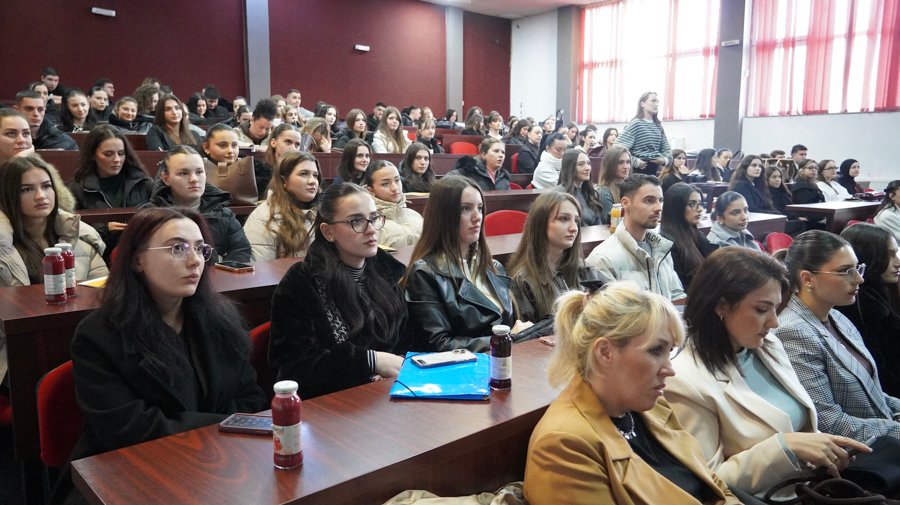
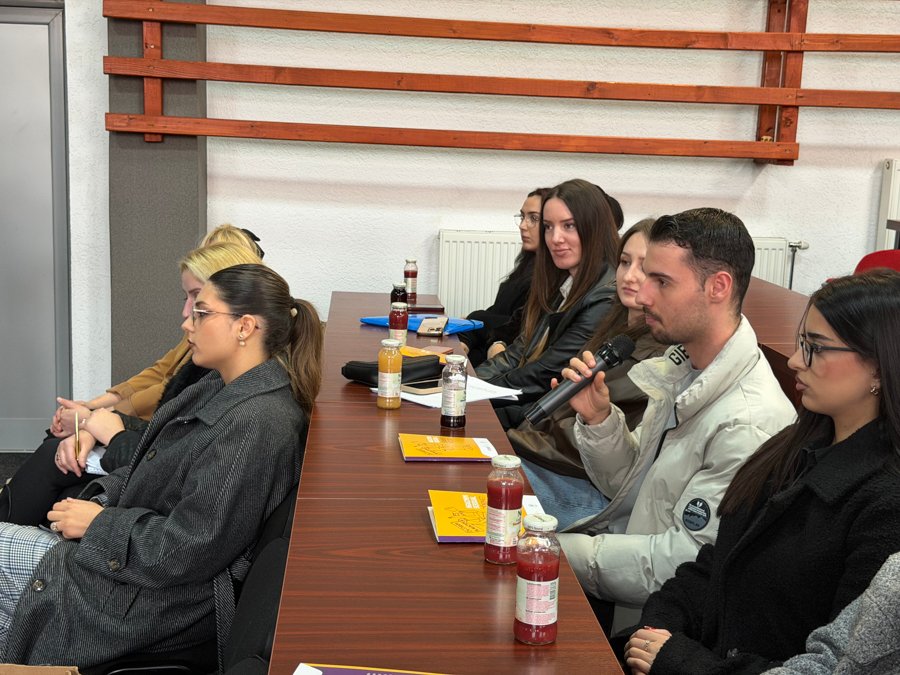
The panel was held in the amphitheater of the Faculty of Economics at UPZ and brought together women professionals and activists who share a common vision of safe, dignified, and harassment-free universities, engaging a broad audience of students and academic staff from the University of Prizren.
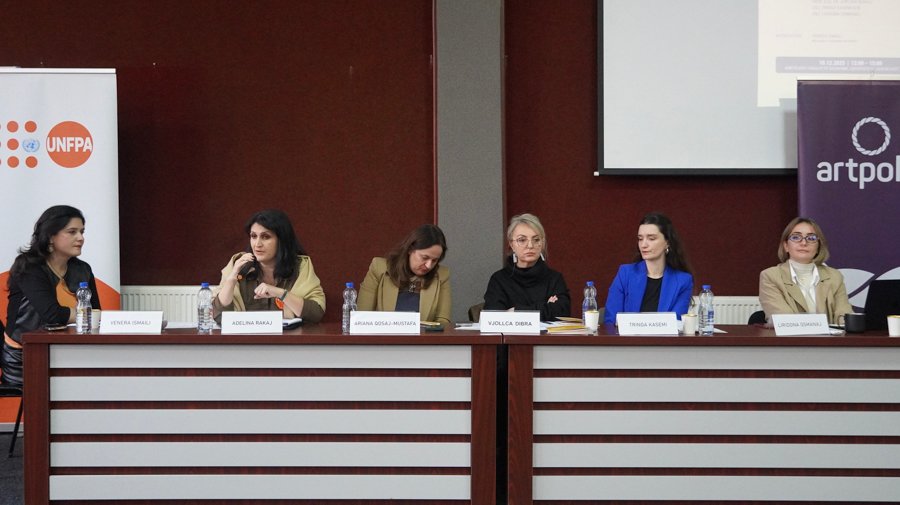
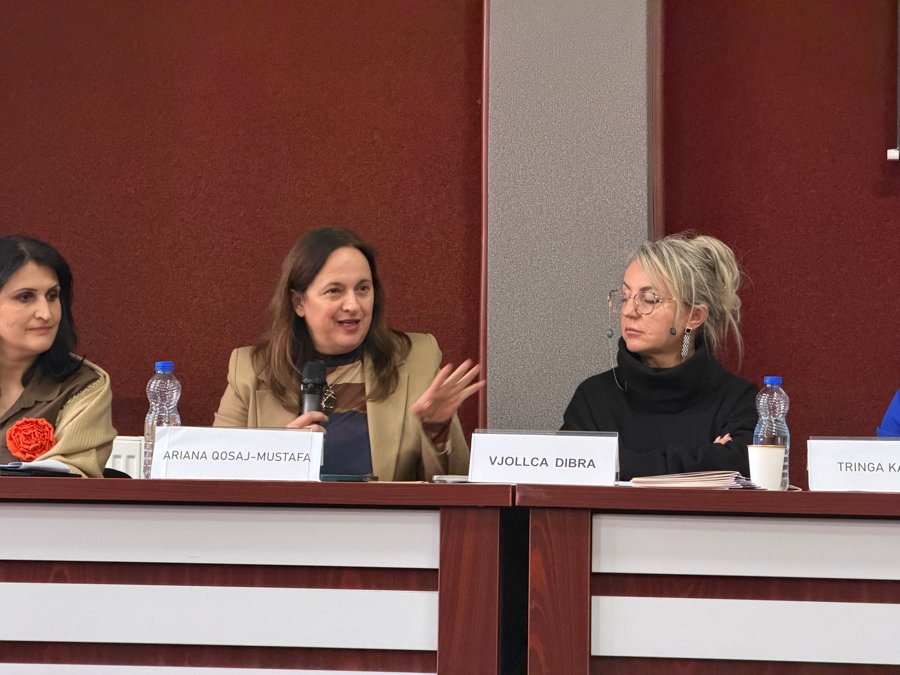
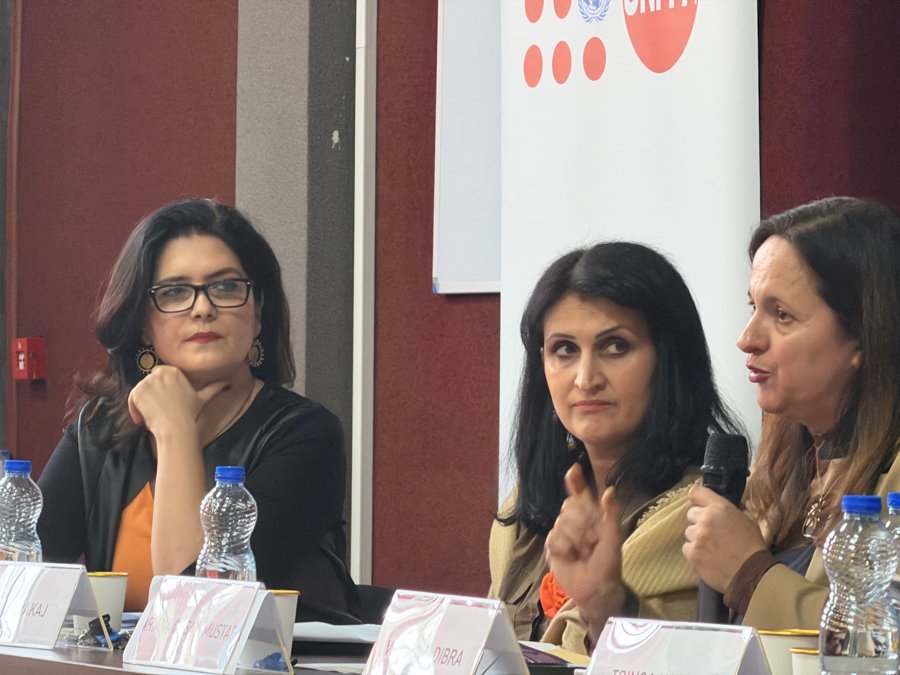
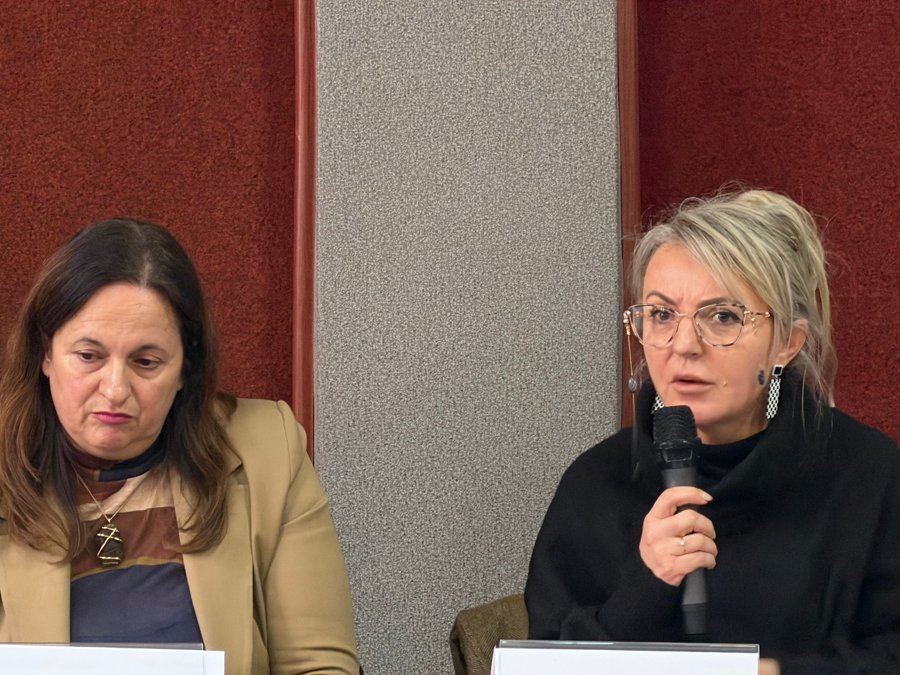
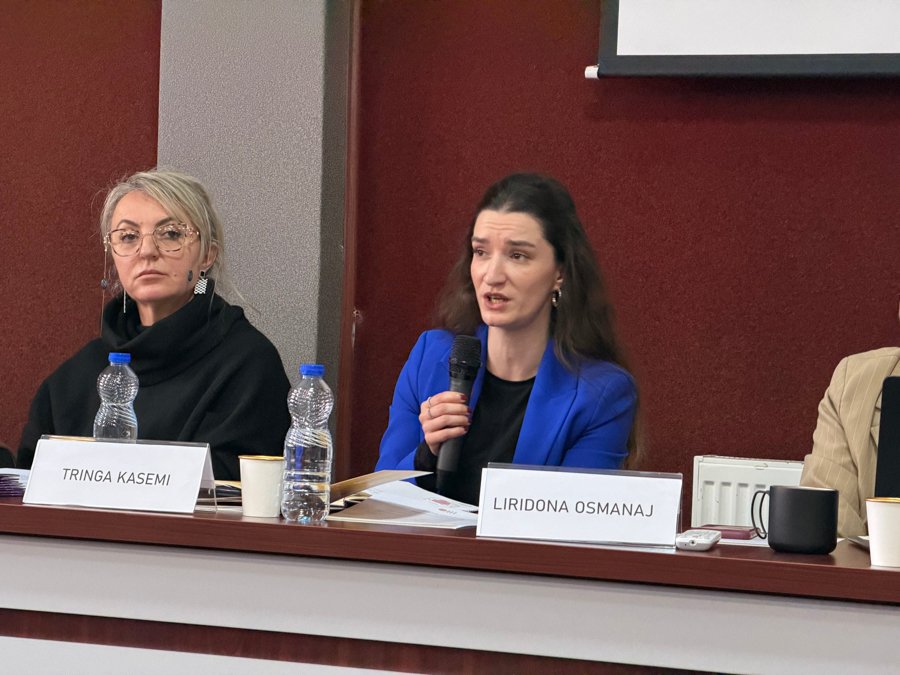
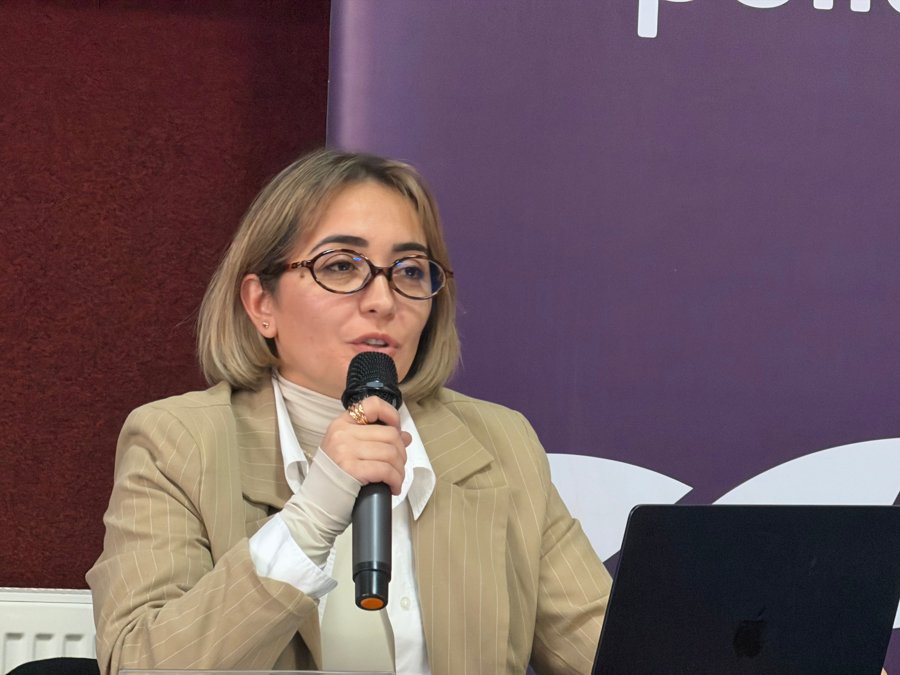
The panel featured Assoc. Prof. Dr. Vjollca Dibra, Dr. Ariana Qosaj-Mustafa, Assist. Prof. Dr. Adelina Rakaj, Tringa Kasemi, and Liridona Osmanaj, and was moderated by Venera Ismaili.
The discussion focused on the development of regulations against sexual harassment, the legal and institutional challenges involved, the role of civil society, and the urgent need to build a zero-tolerance culture toward sexual harassment within higher education institutions.
Assist. Prof. Dr. Adelina Rakaj emphasized the transparency of the process and the importance of collaboration with the Student Union, stating: “Students have contributed and are part of this document.” This inclusive approach is essential to ensuring a fair, democratic, and participatory process.
Dr. Ariana Qosaj-Mustafa shared insights from the experience of drafting the regulation at the University of Prishtina, highlighting the importance of strong normative components that ensure real implementation, as well as the need for continuous revision of regulations in response to the demands of civil society and students. She offered concrete recommendations for ongoing training, capacity building, and clearer reporting procedures.
Prof. Dr. Vjollca Dibra centered the discussion on the human dimension of the issue, stating: “We are speaking here about our bodies and our dignity.” This reminder underscores that institutional mechanisms must place students’ integrity, safety, and well-being at their core.
Liridona Osmanaj stressed that sexual harassment is “a multidimensional problem that requires multidimensional solutions,” including legal, psychological, educational, and institutional measures. Accordingly, regulations must be grounded in a comprehensive approach encompassing prevention, education, safe reporting, and impartial investigation mechanisms.
Tringa Kasemi brought forward the legal perspective and the crucial role of civil society, emphasizing: “Civil society has an obligation to raise its voice for those who are not empowered.” She highlighted that support and mediation by civil society organizations are essential for survivors’ safety and their access to justice.
This panel reaffirmed that building universities free from sexual harassment is a long but necessary struggle, and that each of us has a role to play: to speak up, to report, to advocate, to educate, and to act. Only through feminist commitment, genuine collaboration, and institutional accountability can we ensure that future generations study, work, and create in spaces where violence has no place.


August 24, 2026
InitiativesFor over twenty years, we’ve believed in the power of art to change lives. We've used theater to educate thousands of young people. We've brought the FemArt Festival to life…
Read More
August 10, 2026
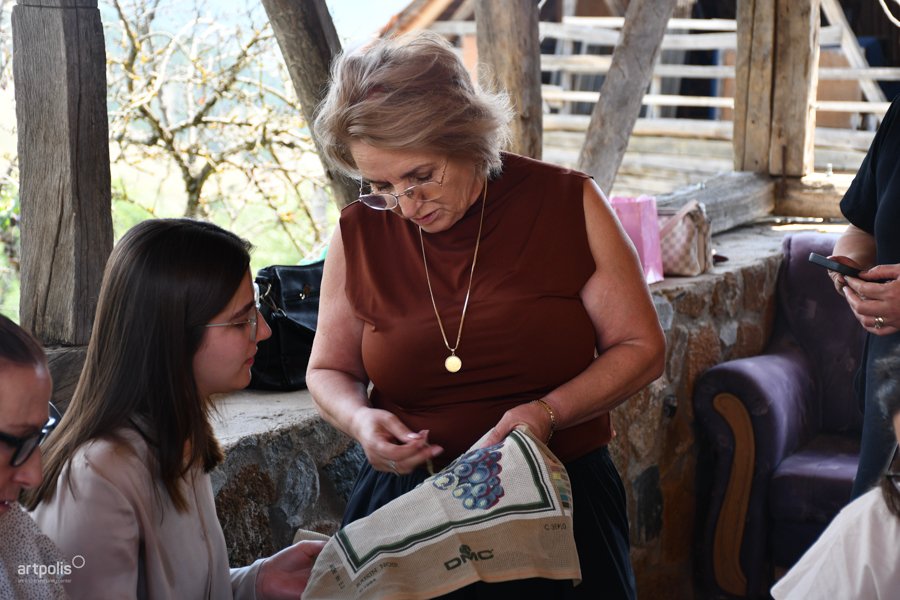
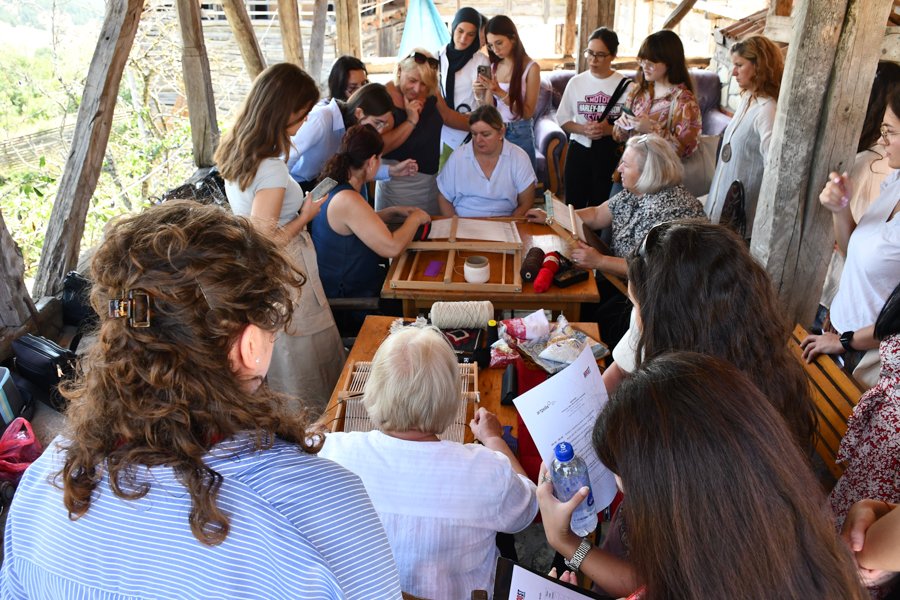
Workshops10.08.2026 On 10 August 2026, on the closing day of the 16th edition of Etno Fest in Kukaj Village, Artpolis, in cooperation with Etno Fest and QPDG, organized the workshop…
Read More
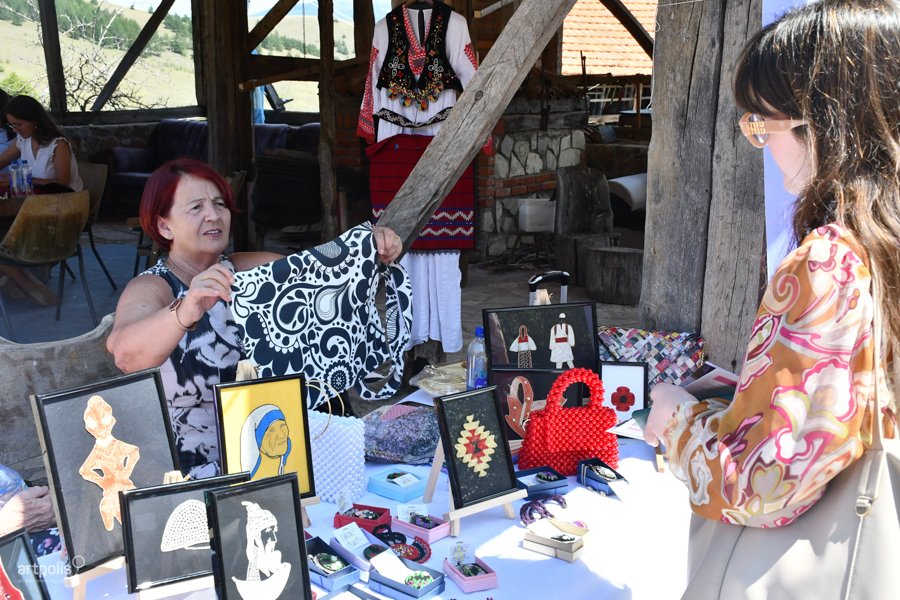
09-10.08.2026 On 9 and 10 August 2026, as part of the 16th edition of Etno Fest in Kukaj Village, the sales exhibition “Corner of Courage” was held, organized by Artpolis…
Read More