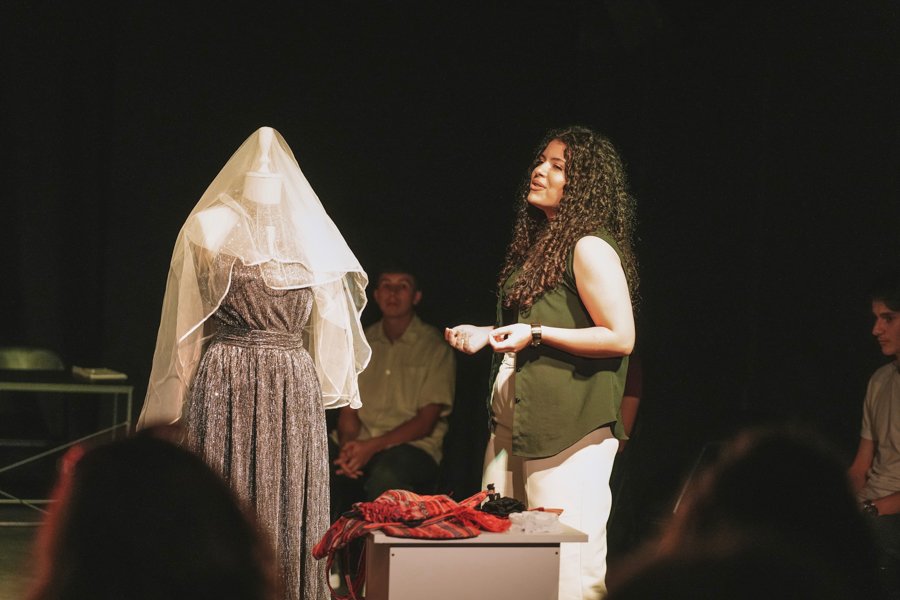
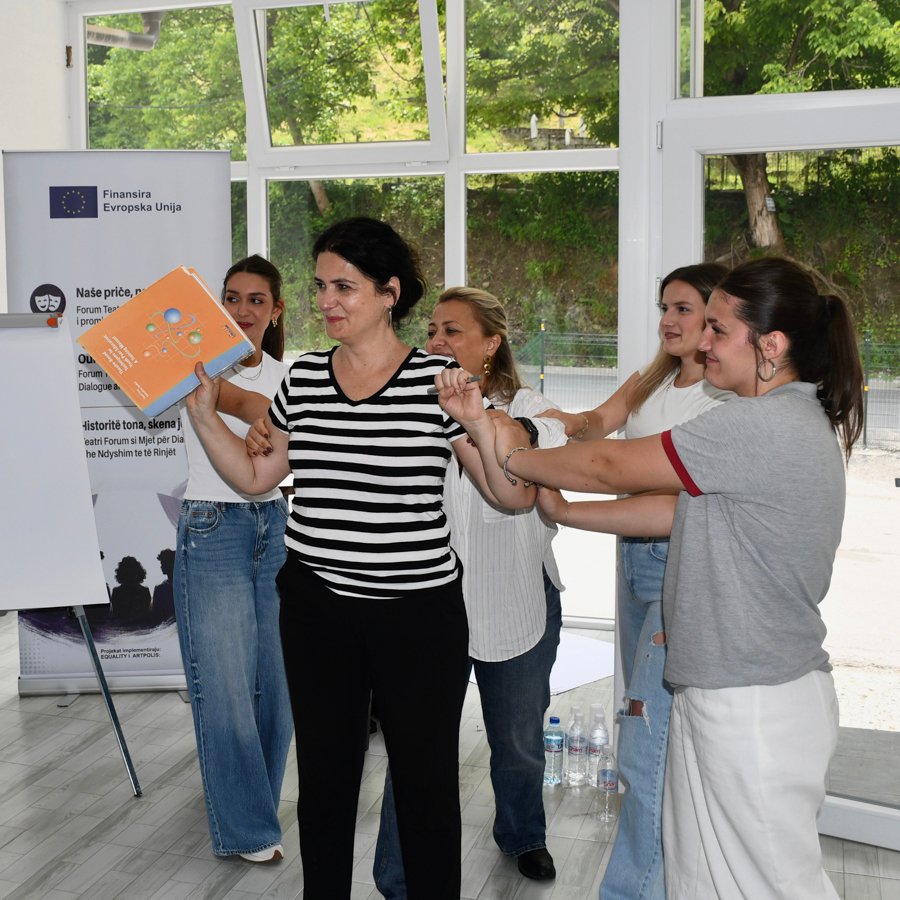
“Our Stories, Our Stage” brought dialogue to Barabar Centre, Prishtina
July 16, 2026
July 16, 2026
July 14, 2026
June 8, 2026

May 25, 2026

August 24, 2026
August 10, 2026
August 9, 2026
September 27, 2024

March 22, 2023
25.05.2026
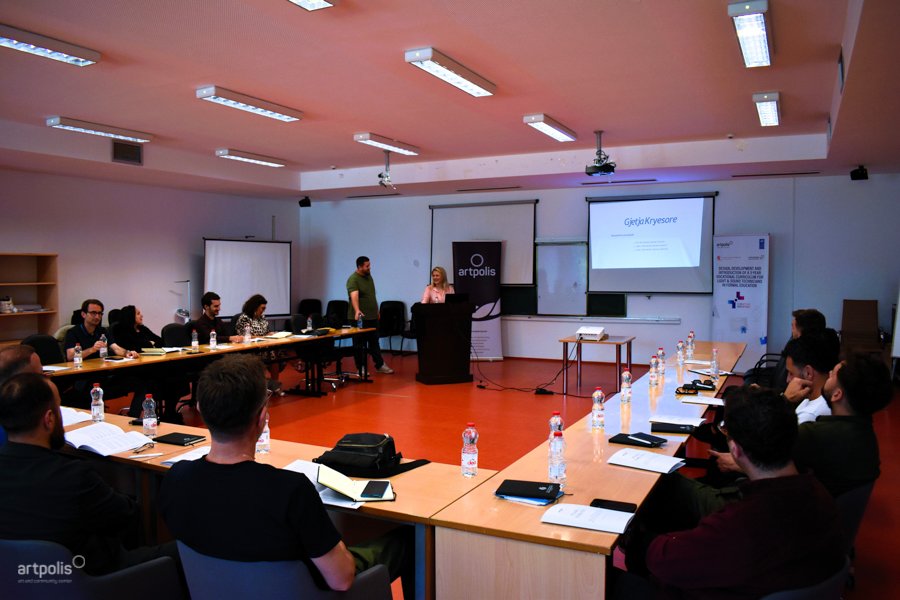
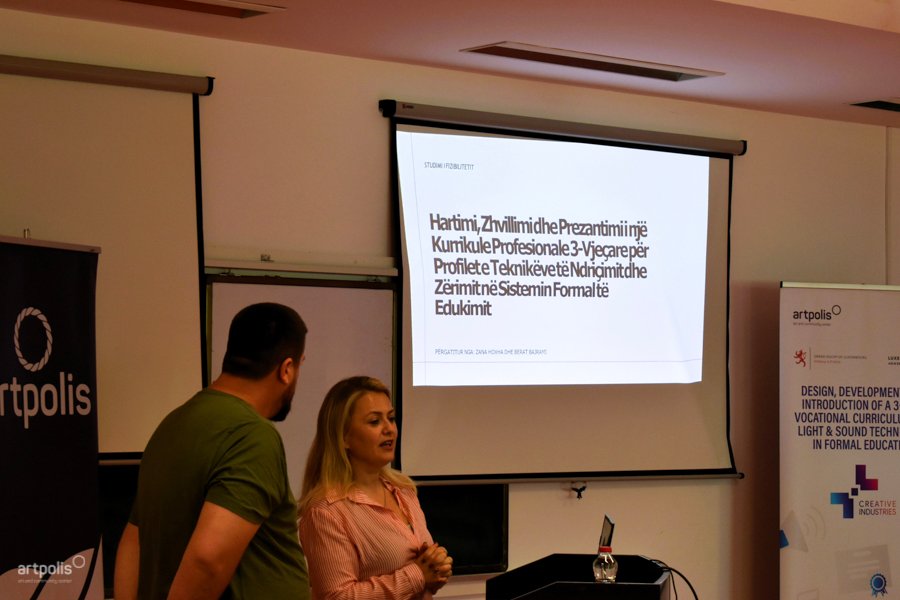
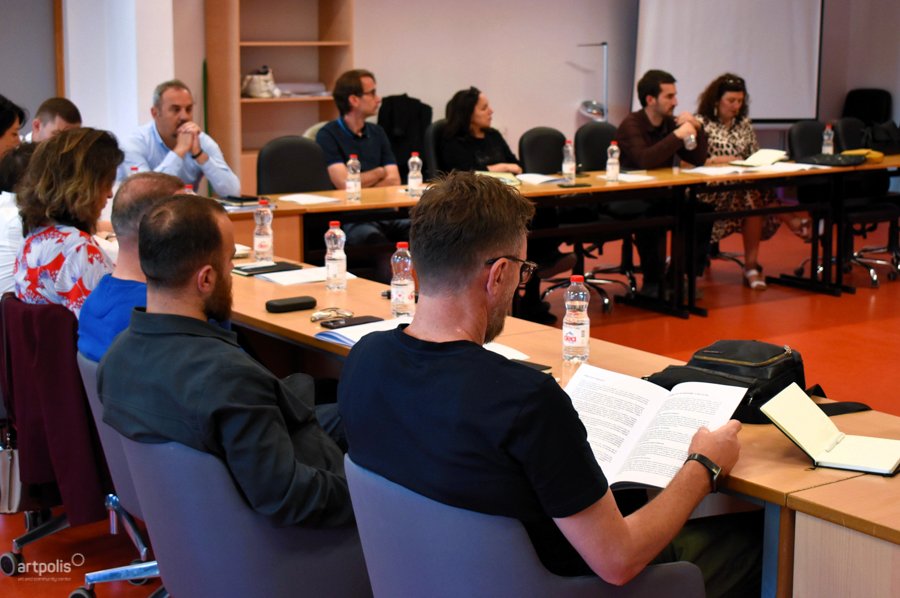
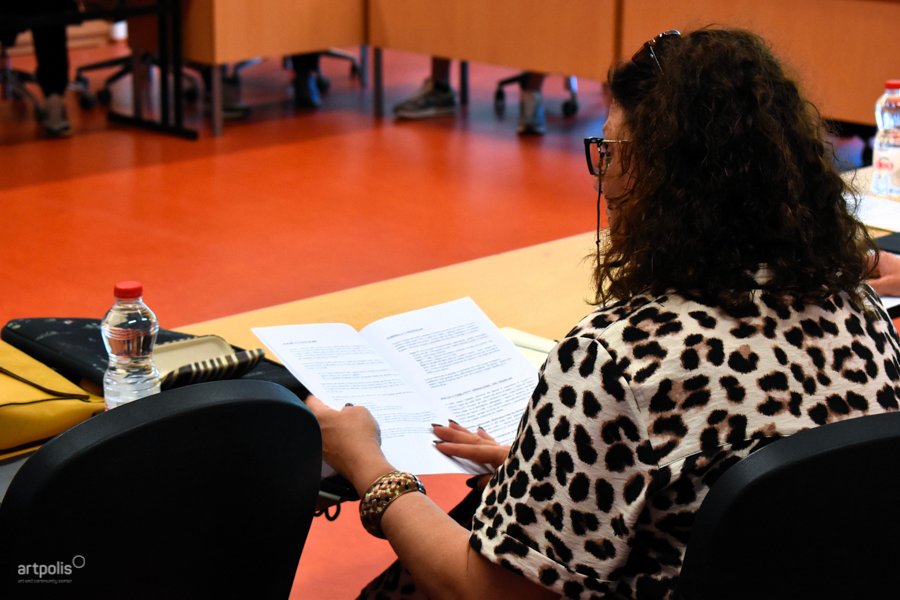
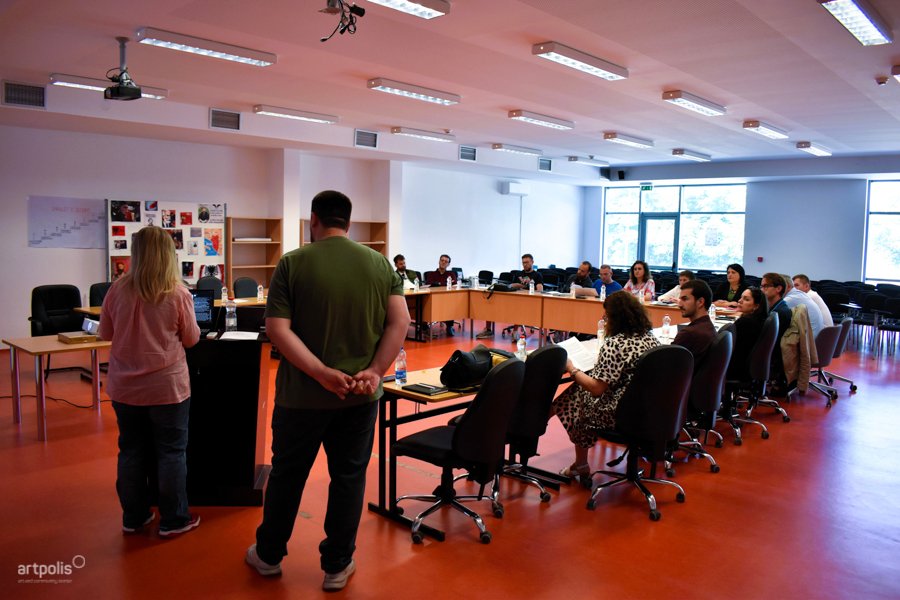
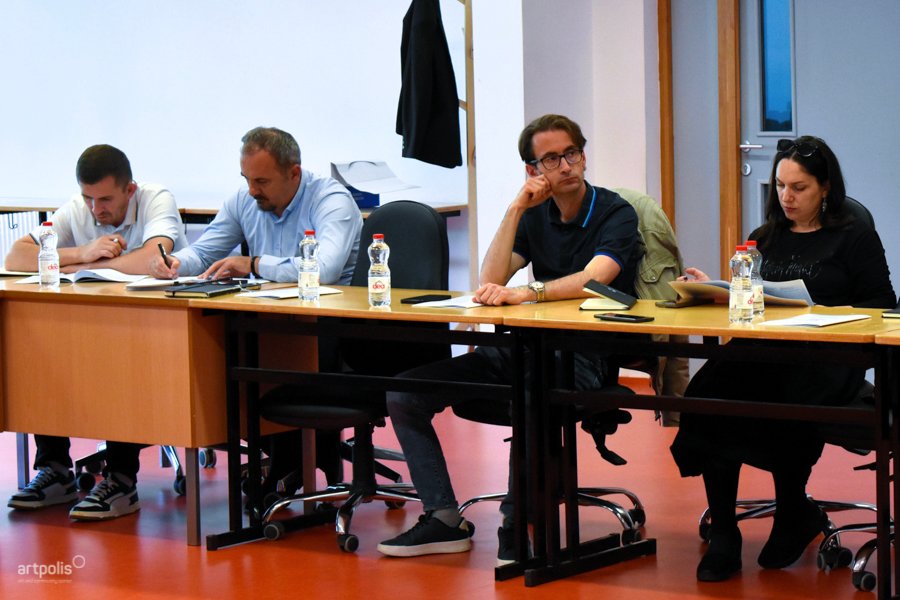
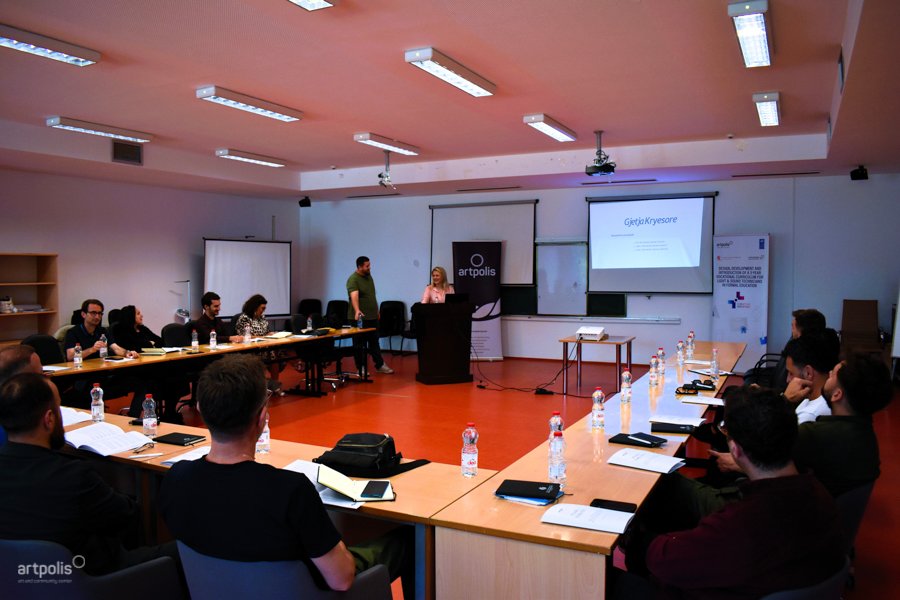
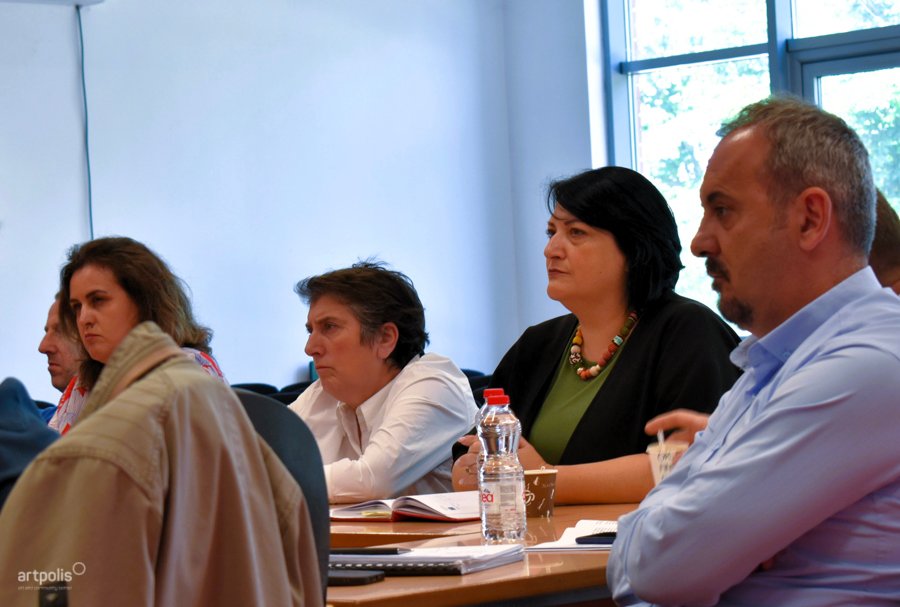
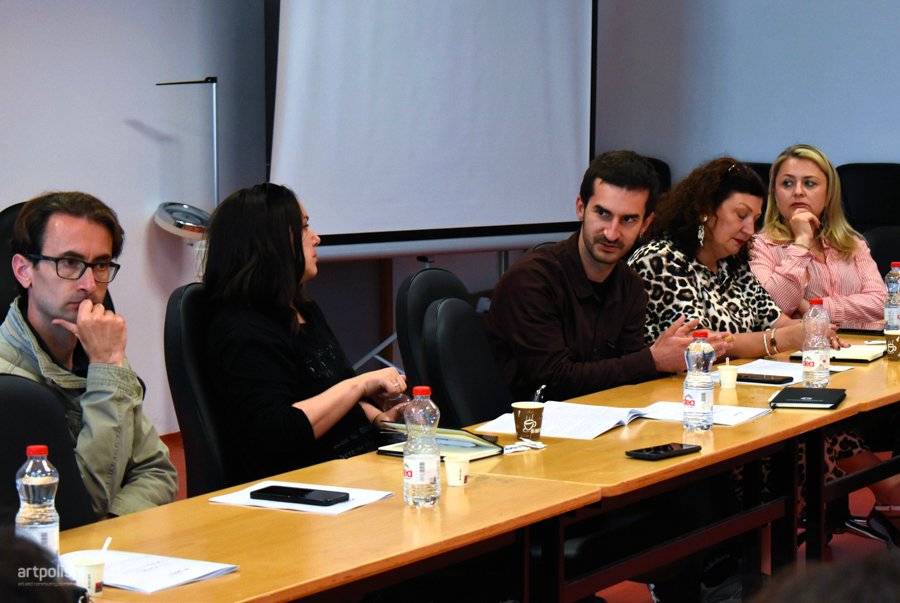
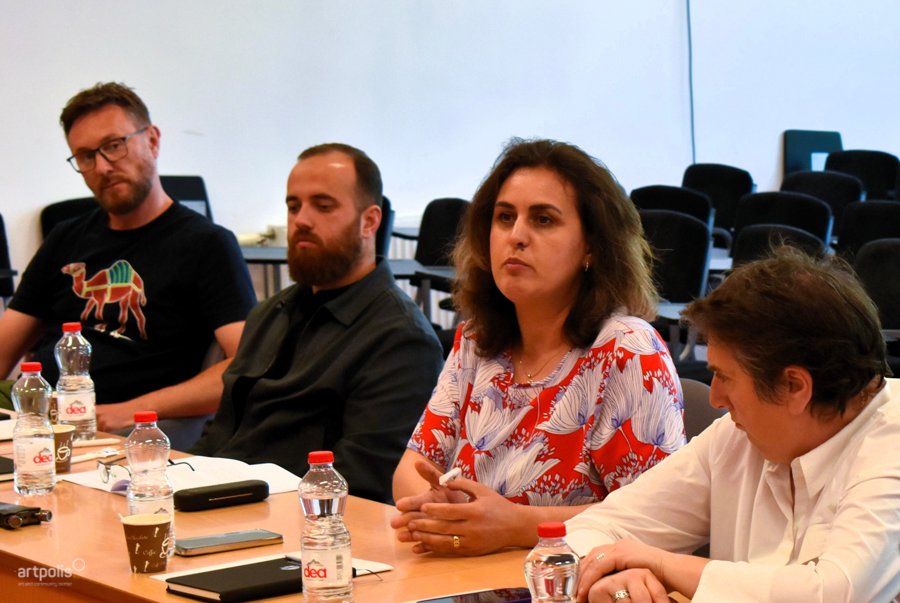
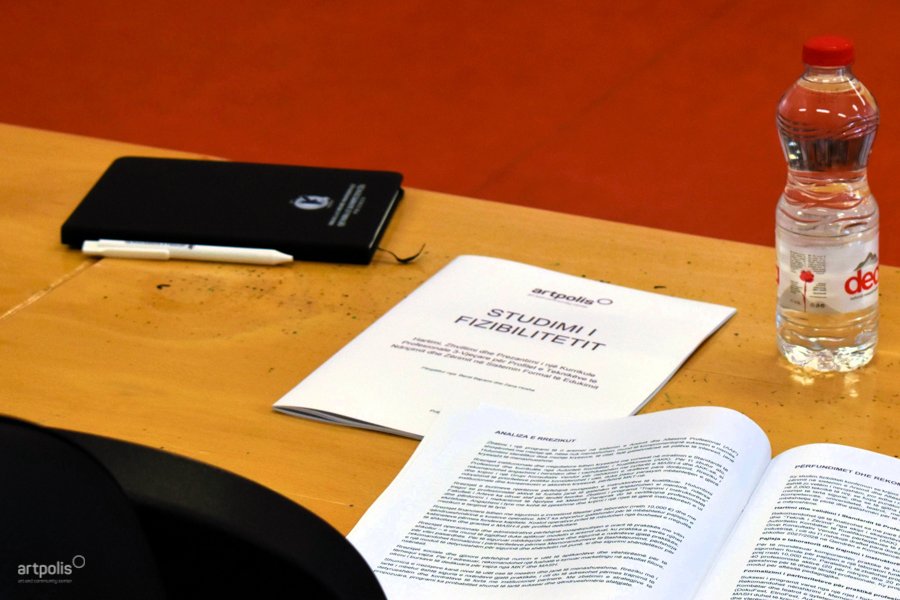
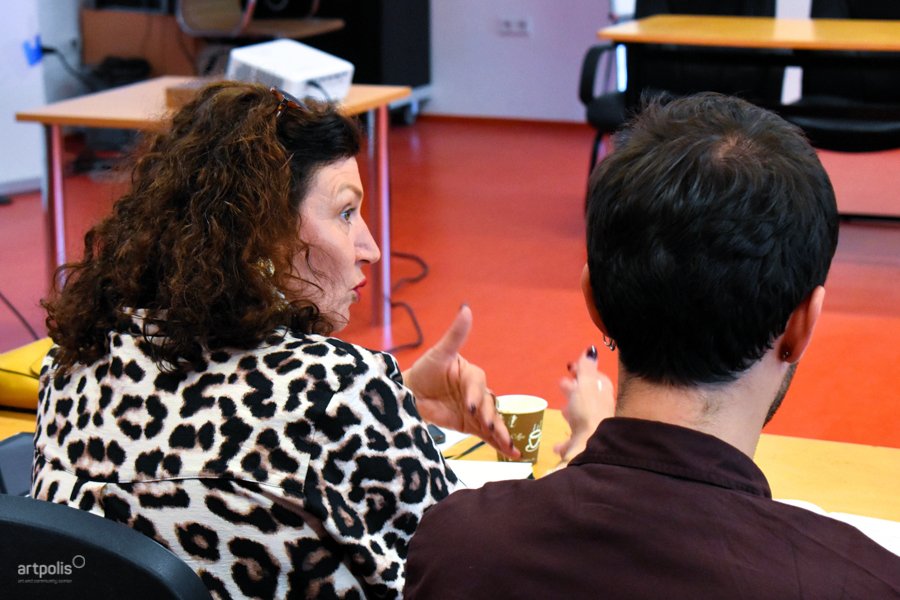
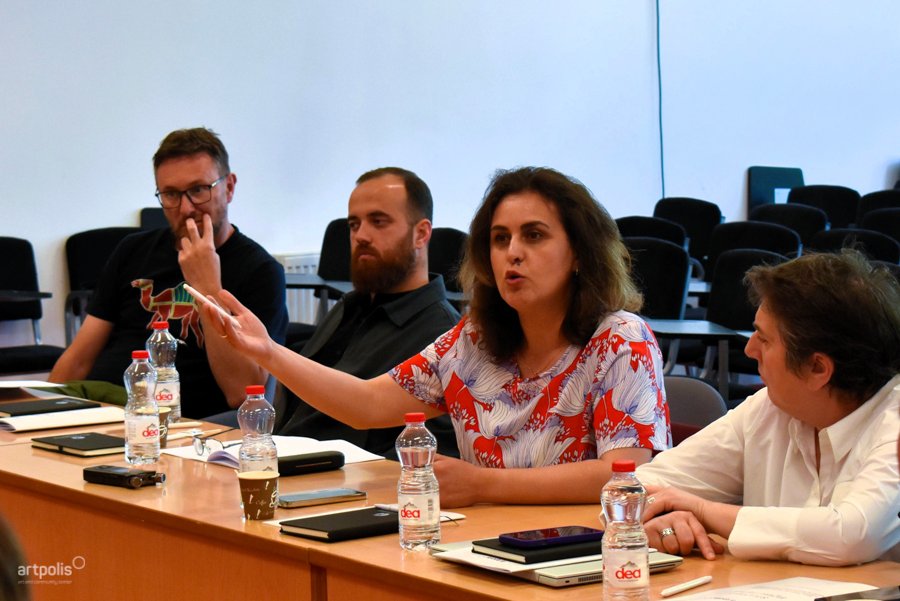
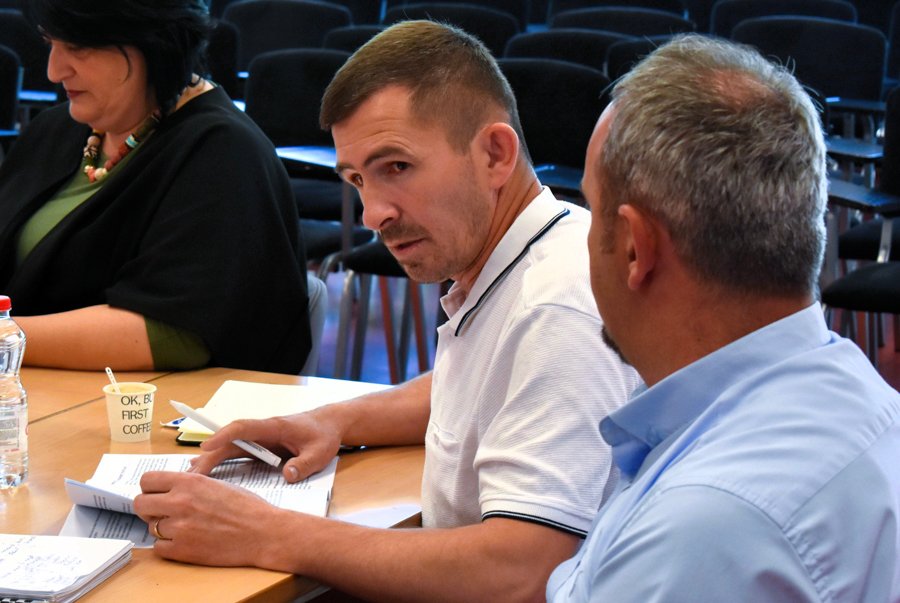
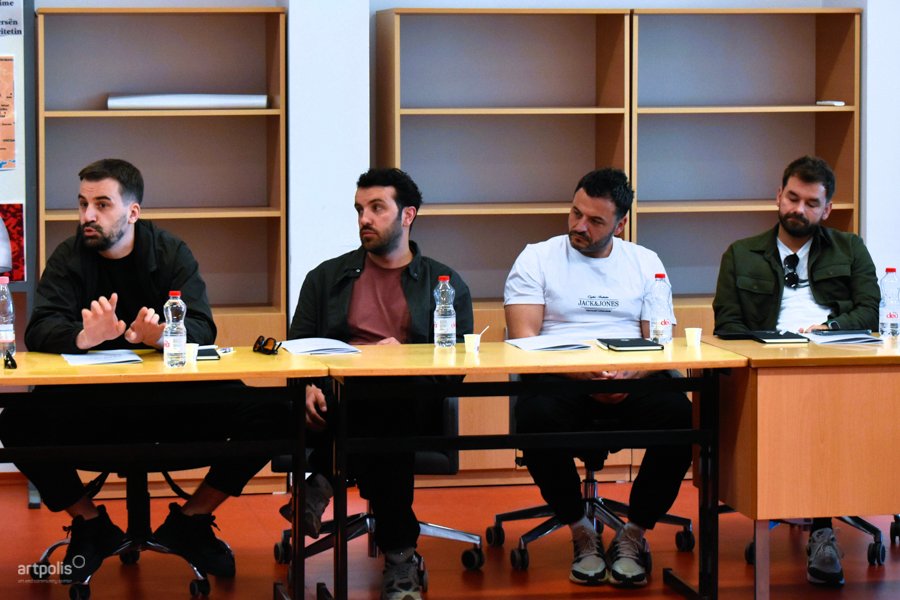
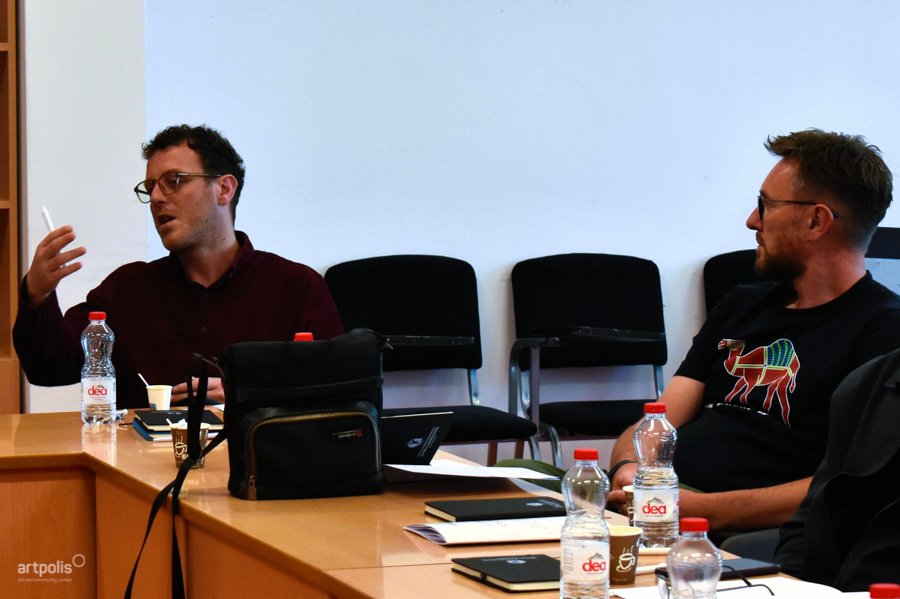
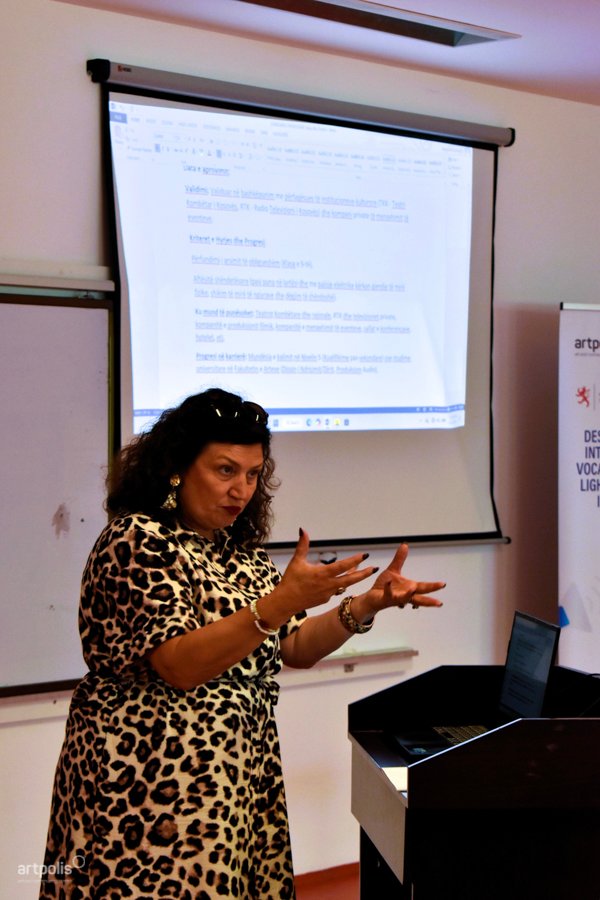
On May 25, 2026, the key findings of the Feasibility Study developed within the project “Design, Development and Introduction of a 3-Year Vocational Curriculum for Lighting and Sound Technician Profiles in the Formal Education System” were presented at the Competence Center in Prizren.
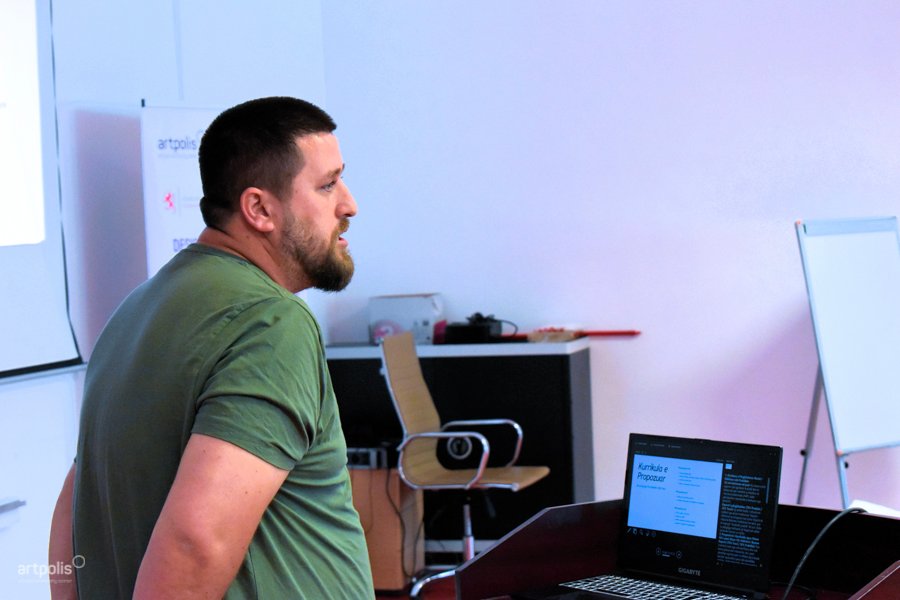
The presentation was delivered by Zana Hoxha and Berat Bajrami from Artpolis, while the Occupational Standard was presented by university professor Besa Luzha. During this activity, the study’s main findings highlighted the critical shortage of qualified lighting and sound technicians in the creative industries, occupational safety risks, and the gap between labor market demands and the formal education system.
The study also underlines the strong economic potential of creative industries and the urgent need to establish professional profiles that respond to labor market demands in theatres, media, festivals, film, and the entertainment industry. According to the findings, the sector requires hundreds of new lighting and sound technicians, while the proposed program aims to create sustainable employment and professional development opportunities for young people.
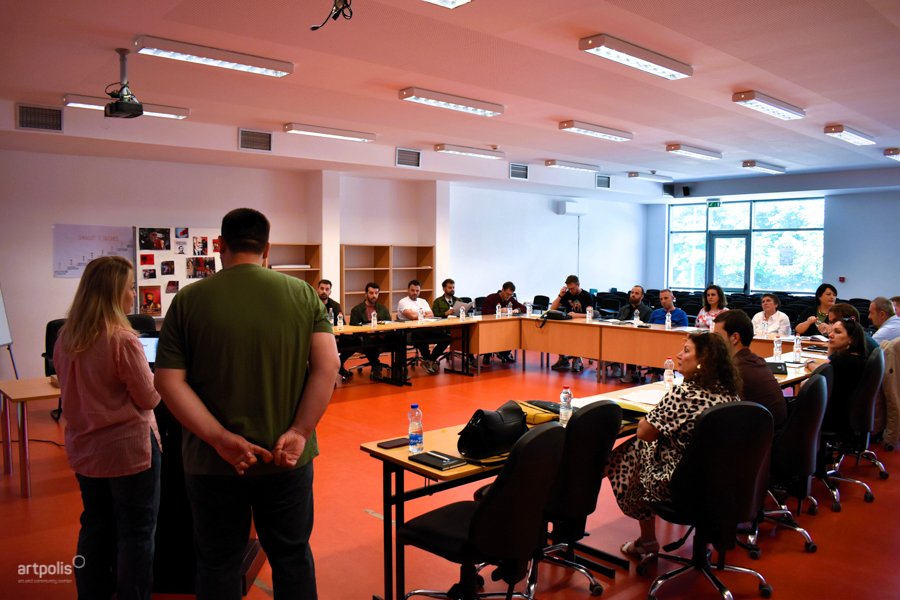
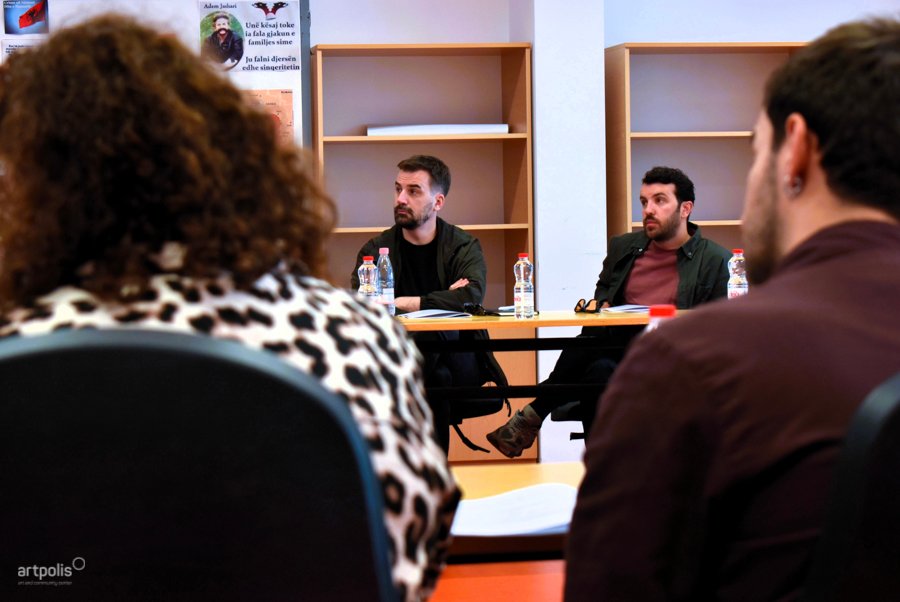
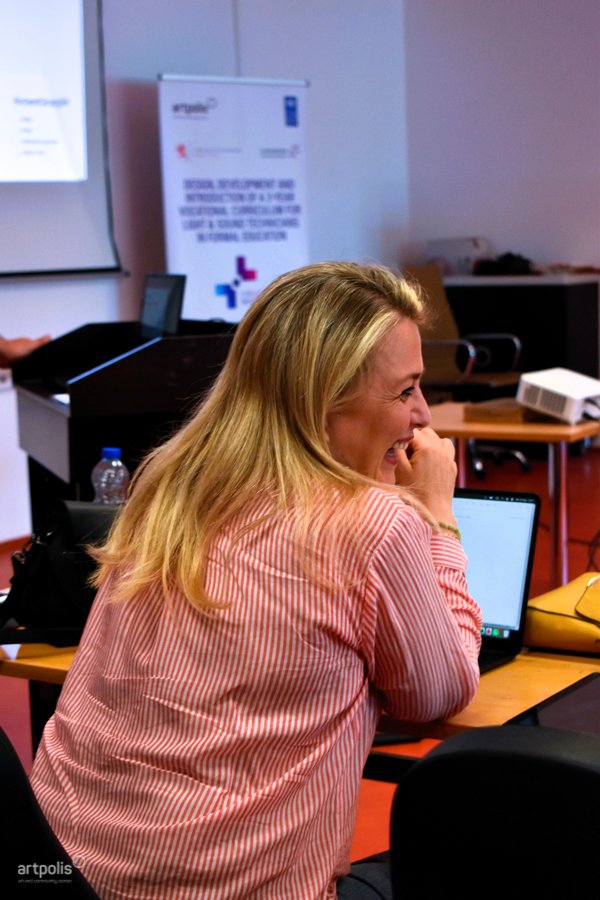
During the discussion, participants provided recommendations for further improving the study and the proposed program, emphasizing the importance of increasing investments in practical laboratories, strengthening occupational health and safety components, aligning the curriculum with international standards, and creating an inclusive and accessible program for all young people.
This presentation marked an important step toward advancing vocational education in the creative industries and building a sustainable model that connects education with the labor market.
This initiative is part of the Creative Industries project, financed by the Grand Duchy of Luxembourg and implemented by UNDP Kosovo, which aims to advance the skills and competencies of young women and men by designing, adapting, and introducing pilot courses within the formal education system that address skills gaps in the creative industries (CIs). Through partnerships between educational institutions and industry, the project also provides skilling and upskilling programmes, lifelong learning opportunities, as well as coaching and mentorship support.

August 24, 2026
InitiativesFor over twenty years, we’ve believed in the power of art to change lives. We've used theater to educate thousands of young people. We've brought the FemArt Festival to life…
Read More
August 10, 2026
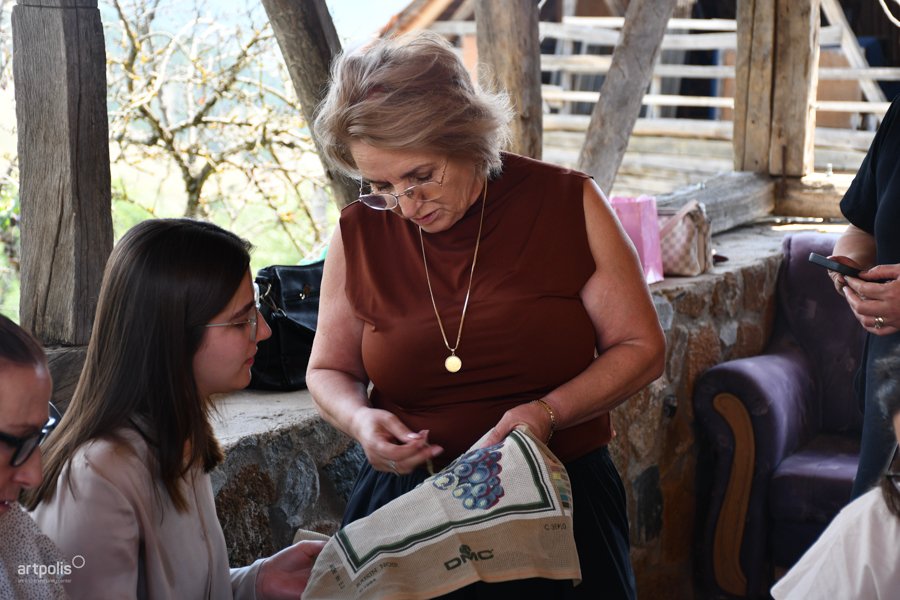
Workshops10.08.2026 On 10 August 2026, on the closing day of the 16th edition of Etno Fest in Kukaj Village, Artpolis, in cooperation with Etno Fest and QPDG, organized the workshop…
Read More
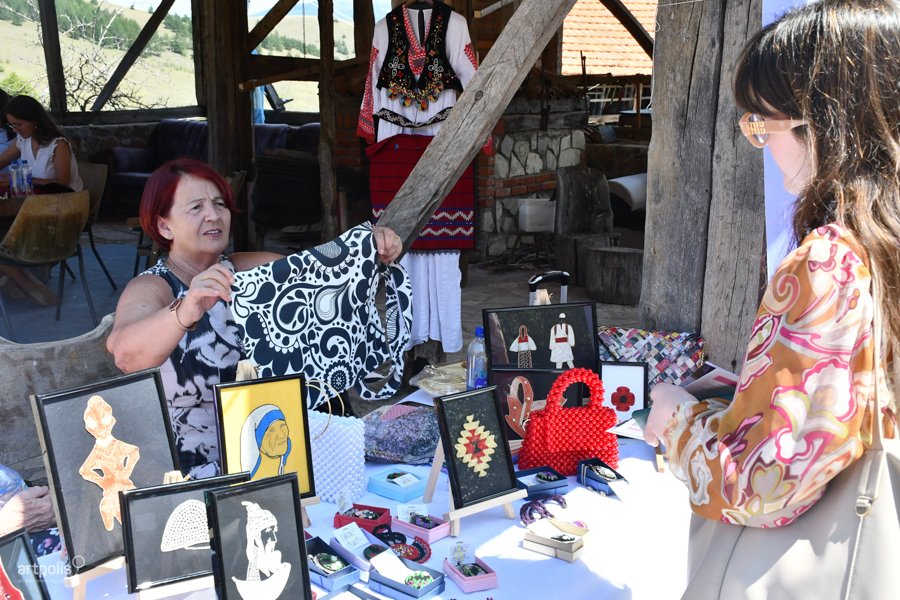
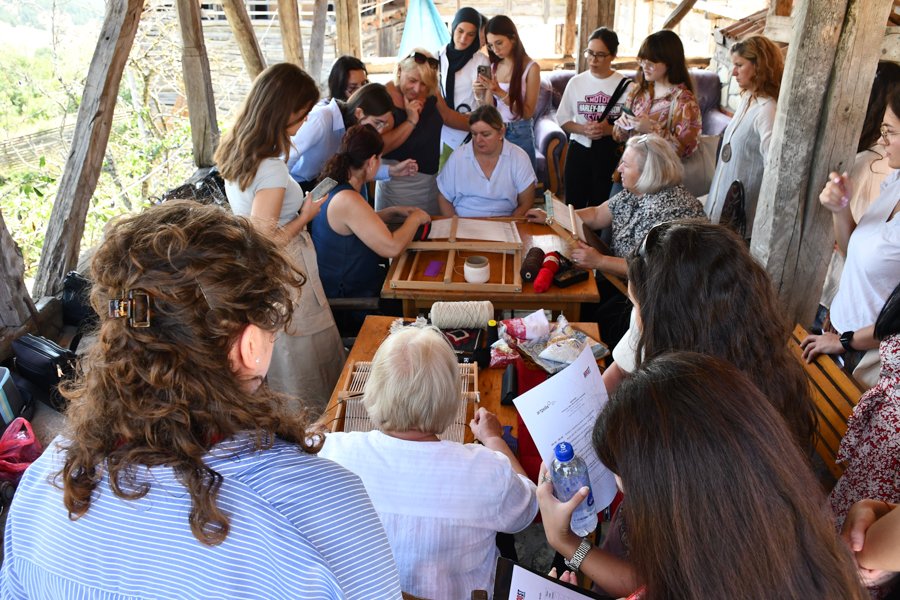
09-10.08.2026 On 9 and 10 August 2026, as part of the 16th edition of Etno Fest in Kukaj Village, the sales exhibition “Corner of Courage” was held, organized by Artpolis…
Read More