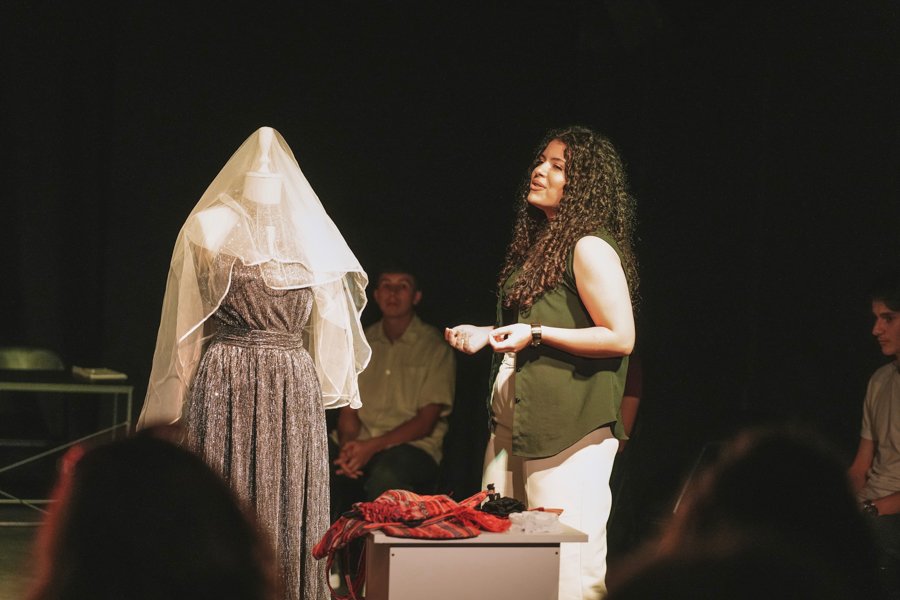
“Our Stories, Our Stage” brought dialogue to Barabar Centre, Prishtina
July 16, 2026
July 16, 2026
July 14, 2026
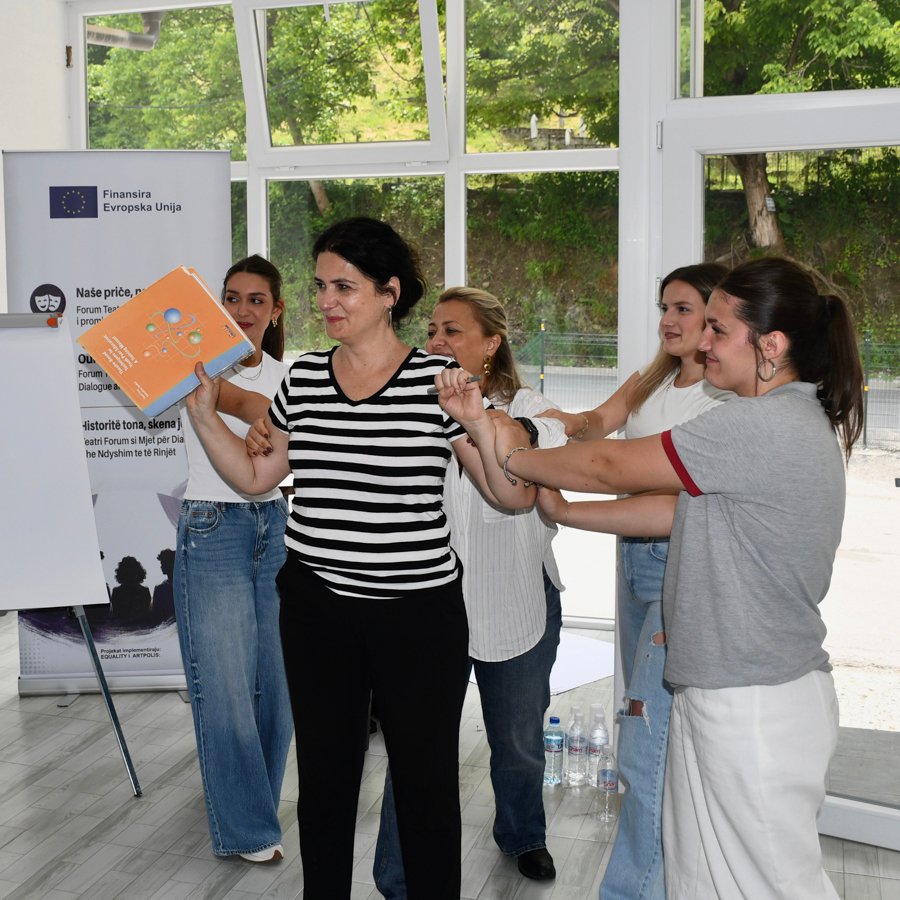
June 8, 2026
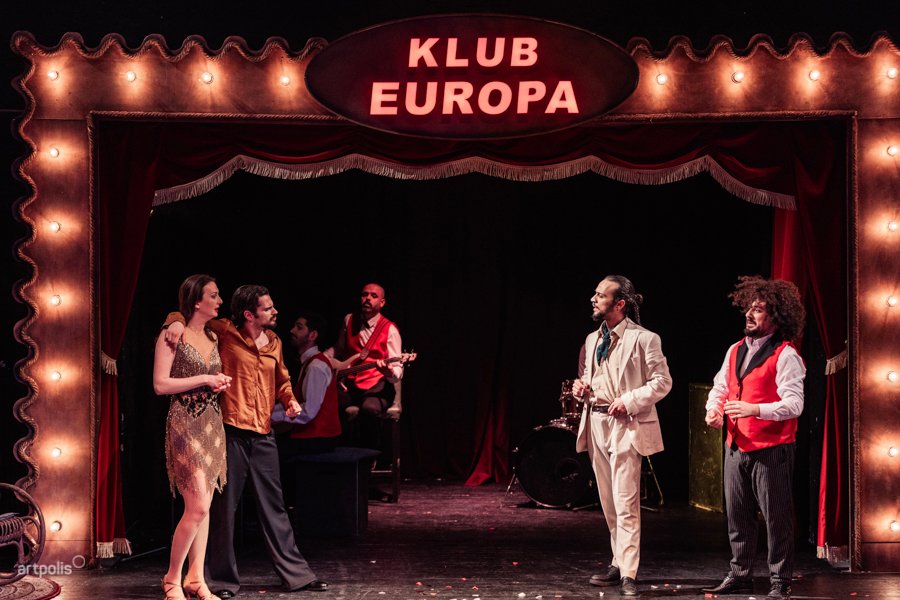
May 25, 2026
August 24, 2026
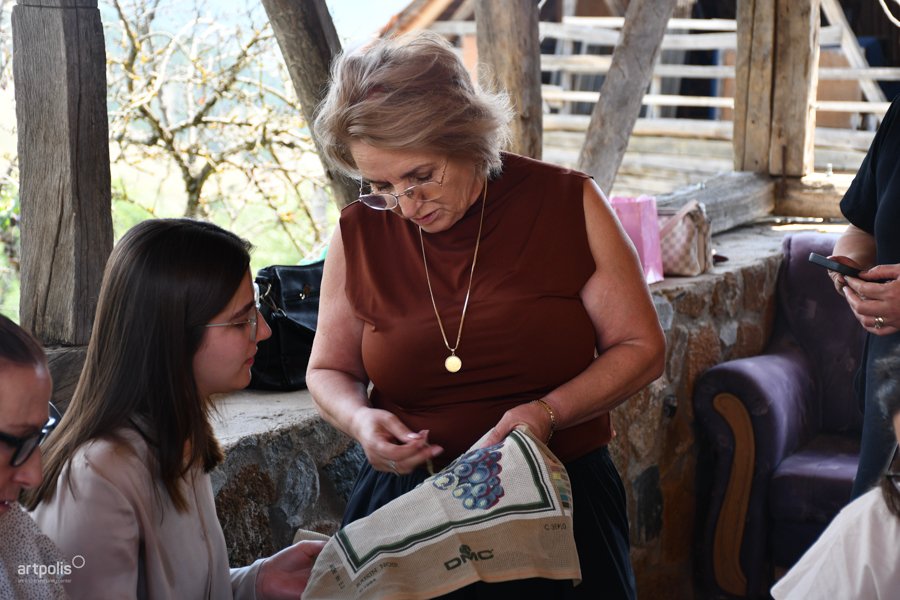
August 10, 2026
August 9, 2026
September 27, 2024

March 22, 2023
June 25, 2026
24.06.2026
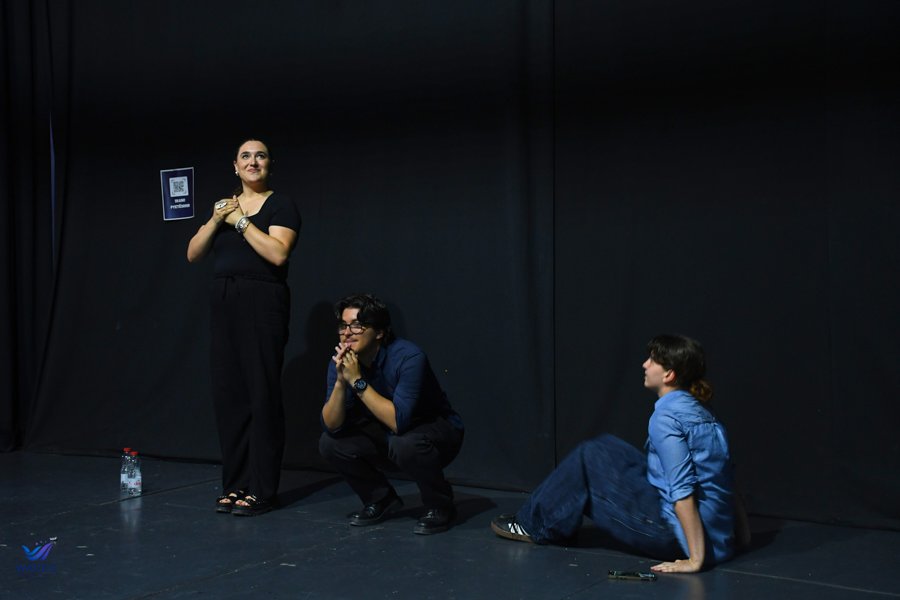
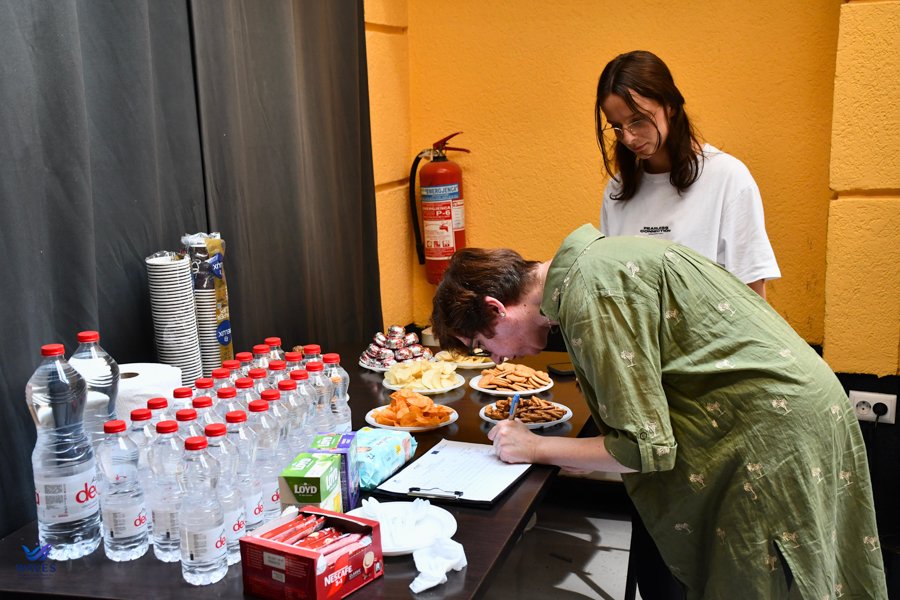
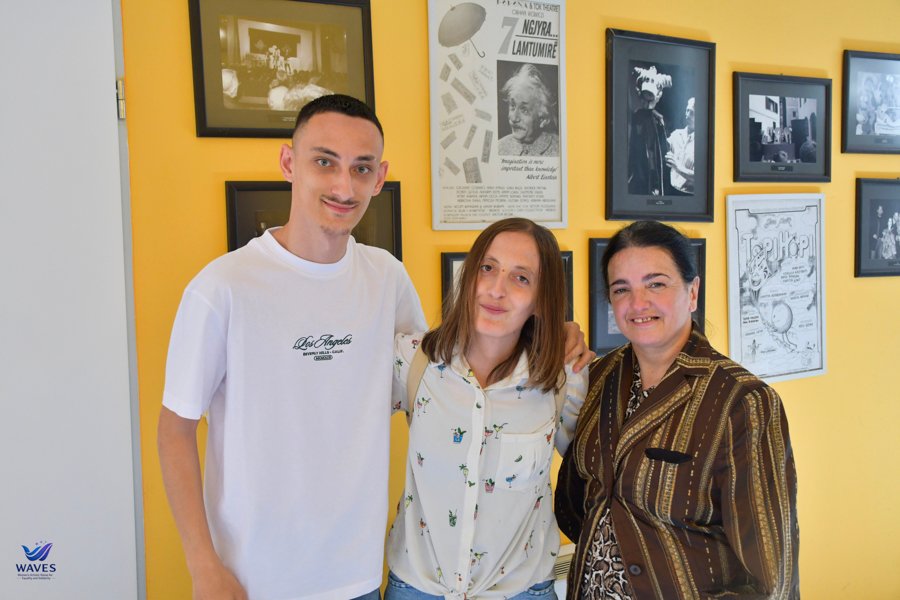
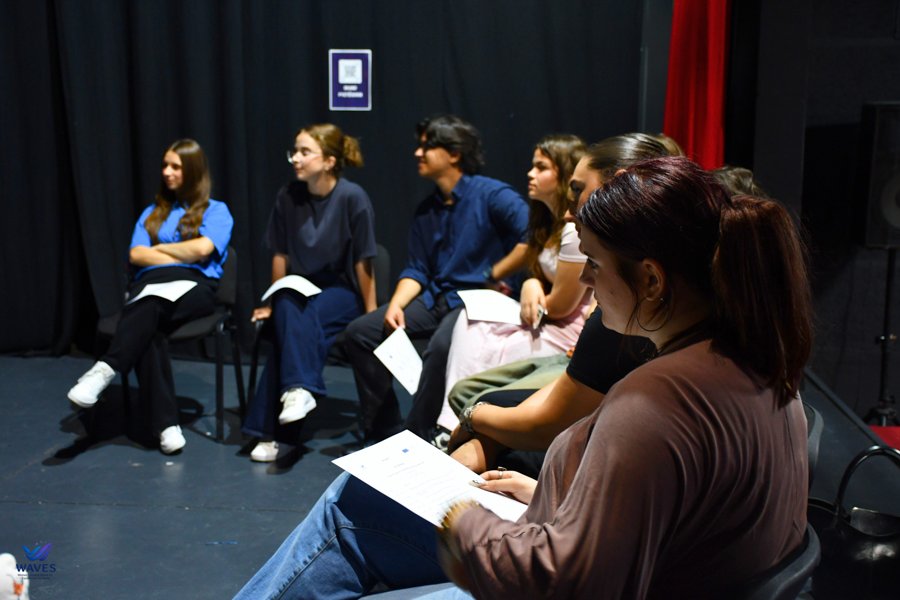
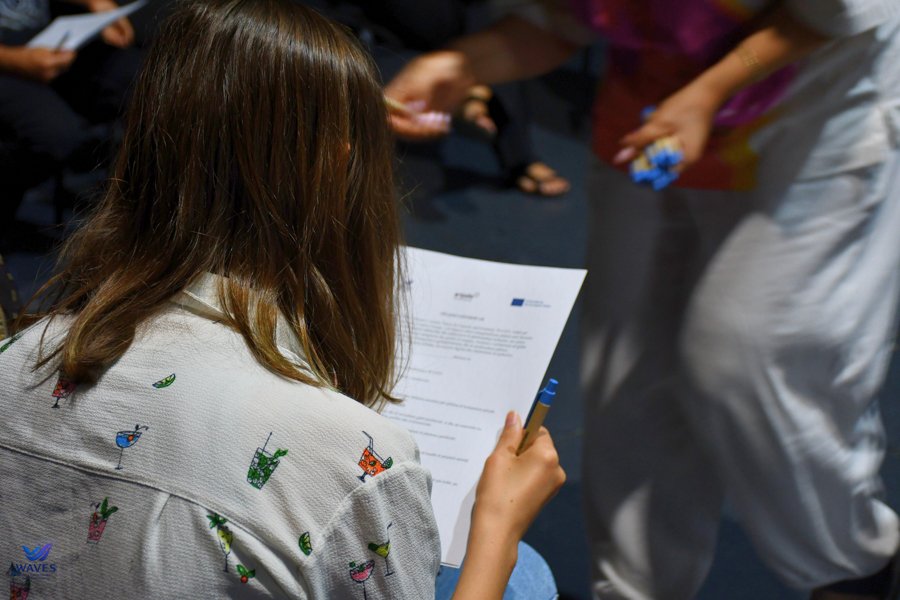
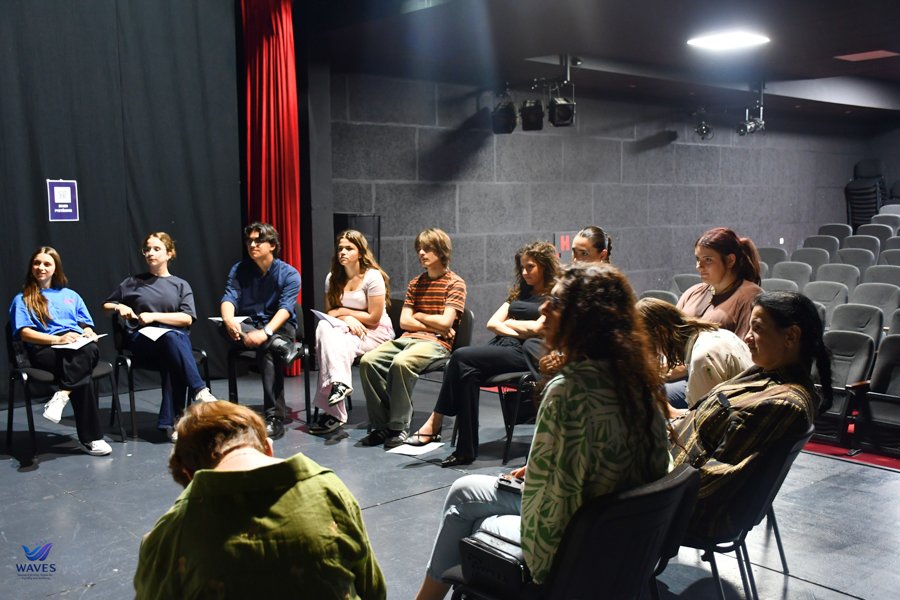
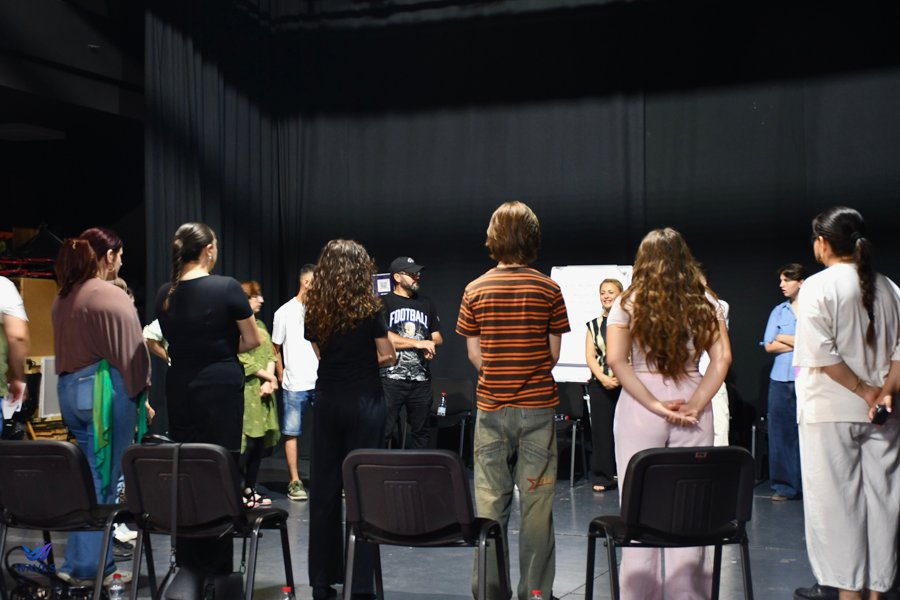
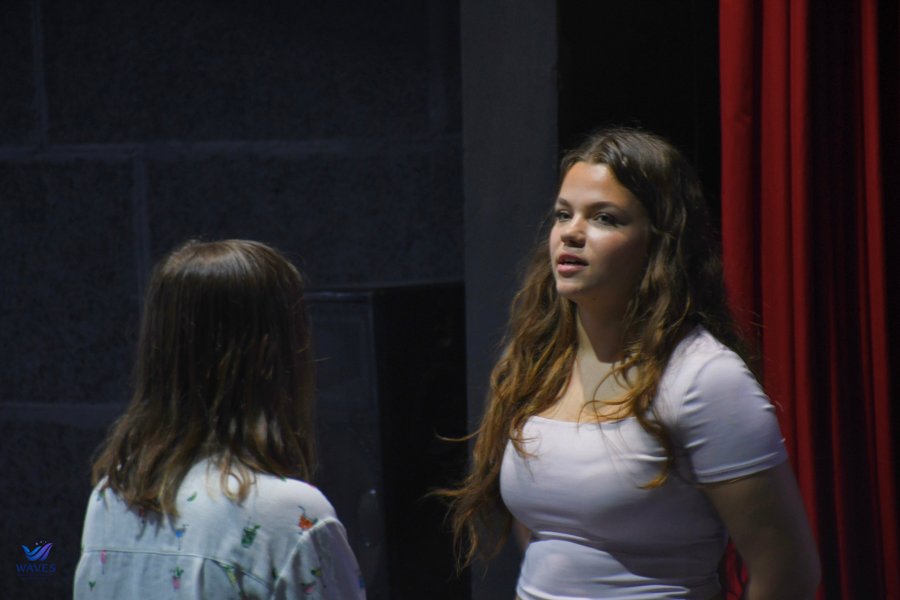
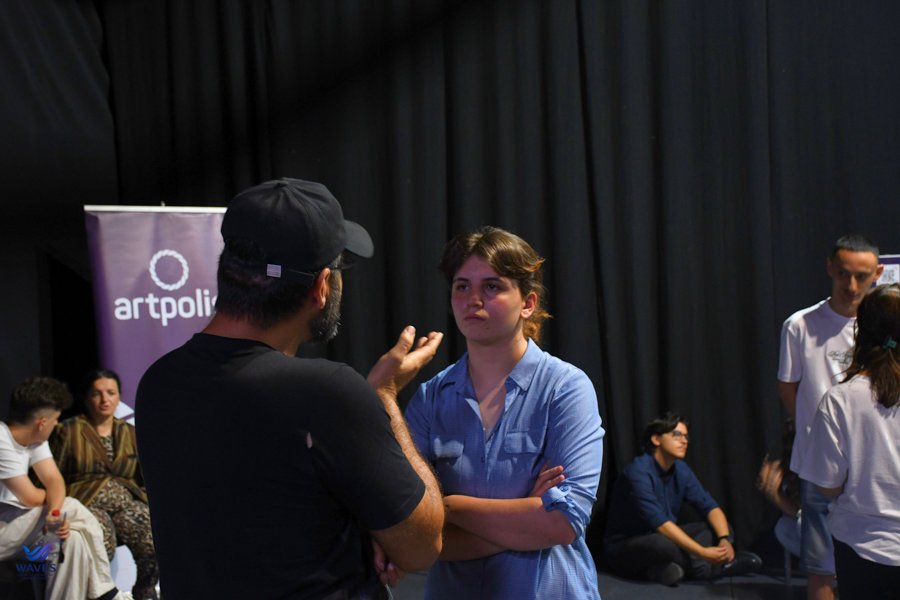
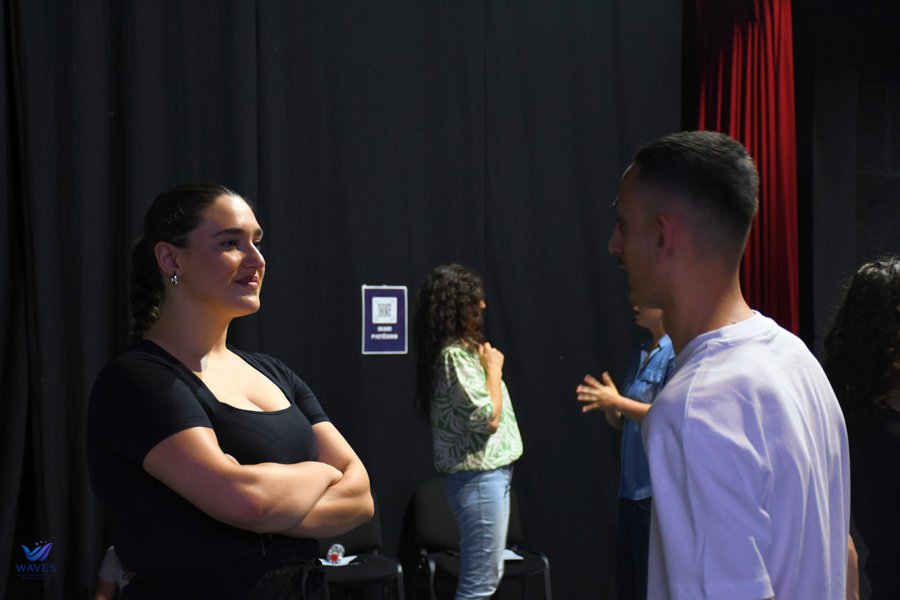
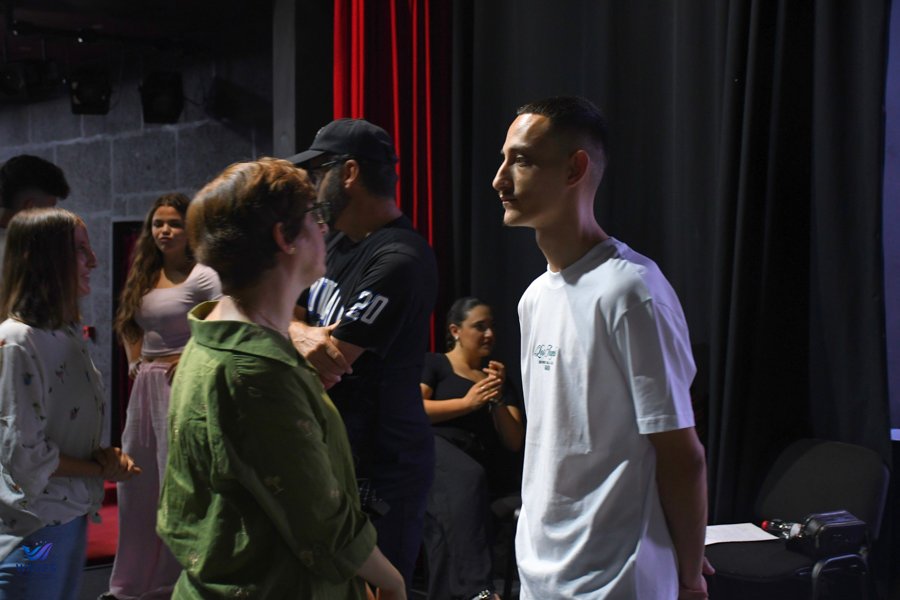
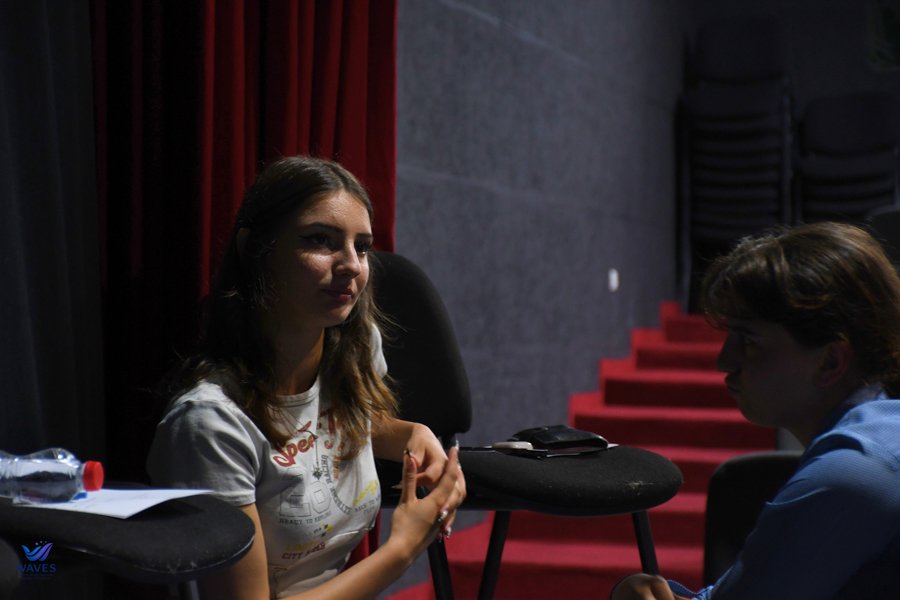
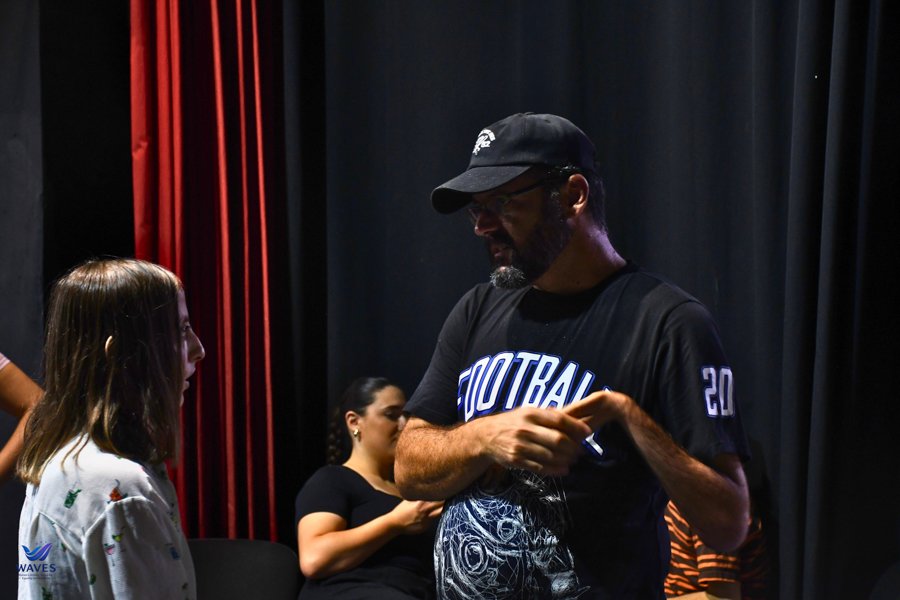
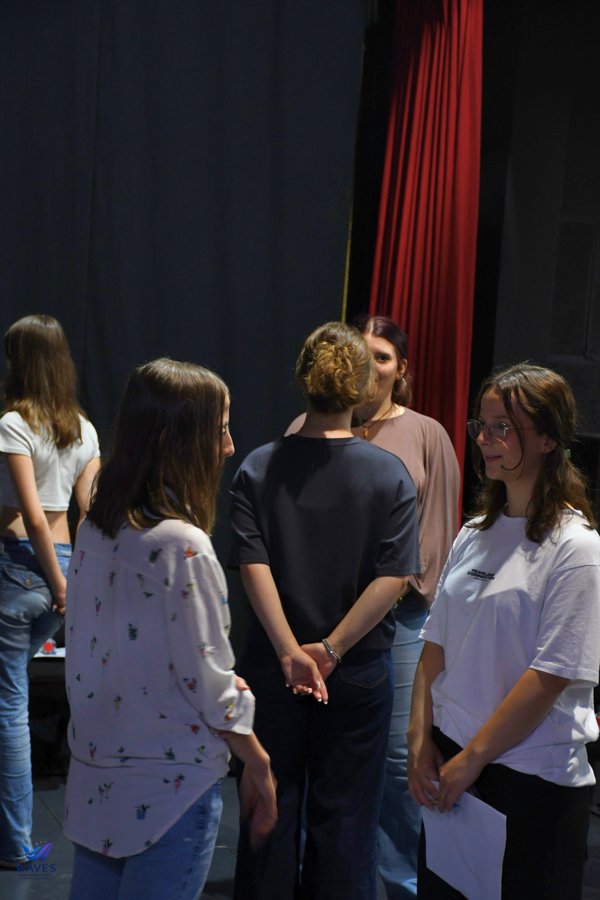
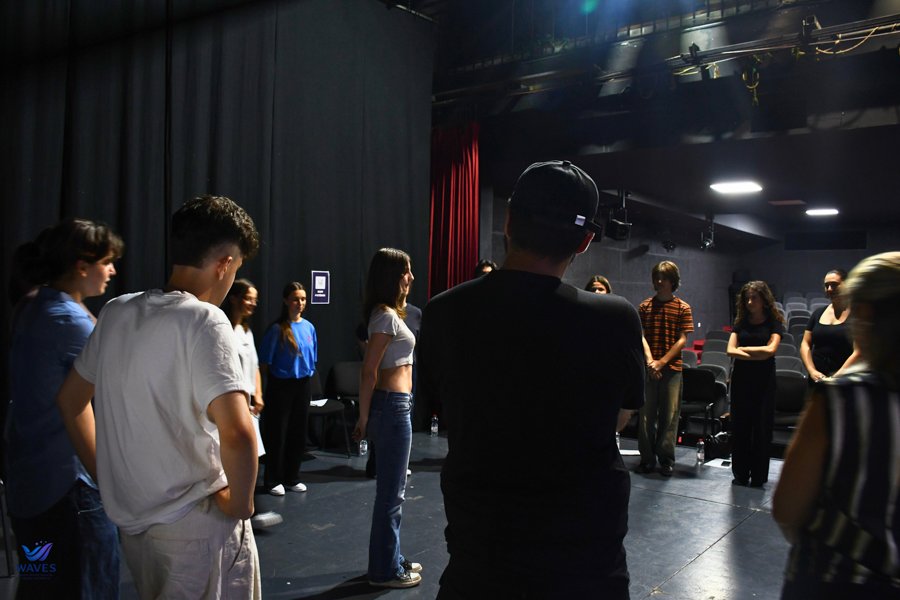
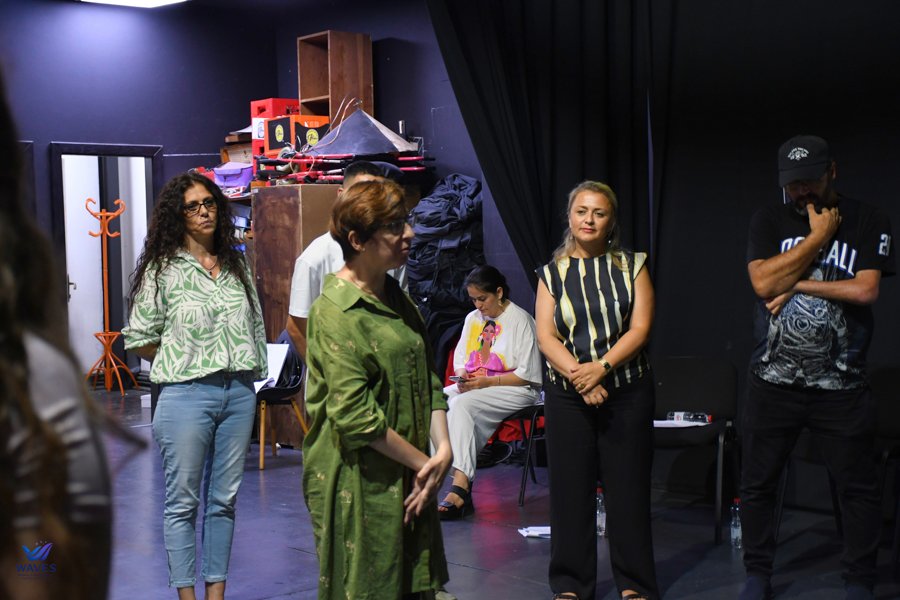
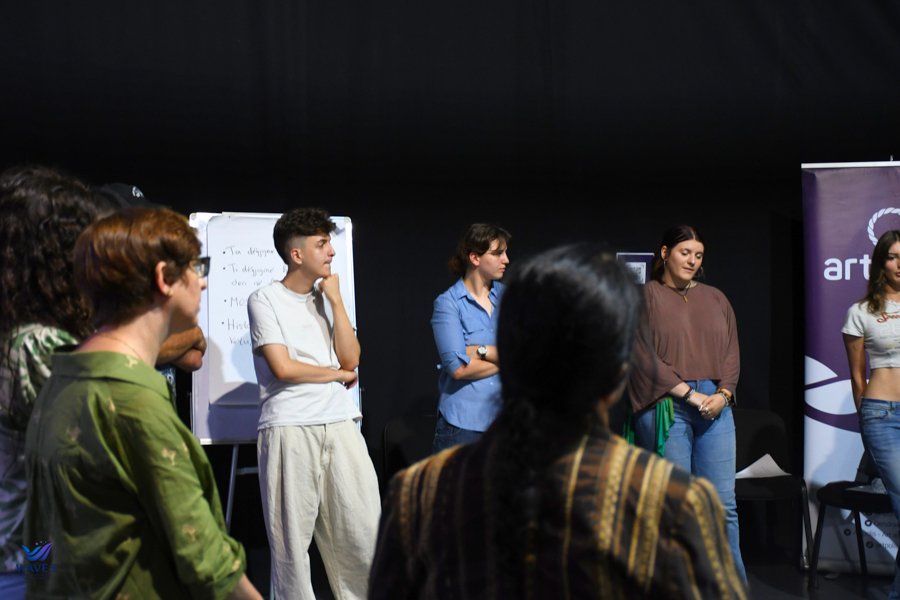
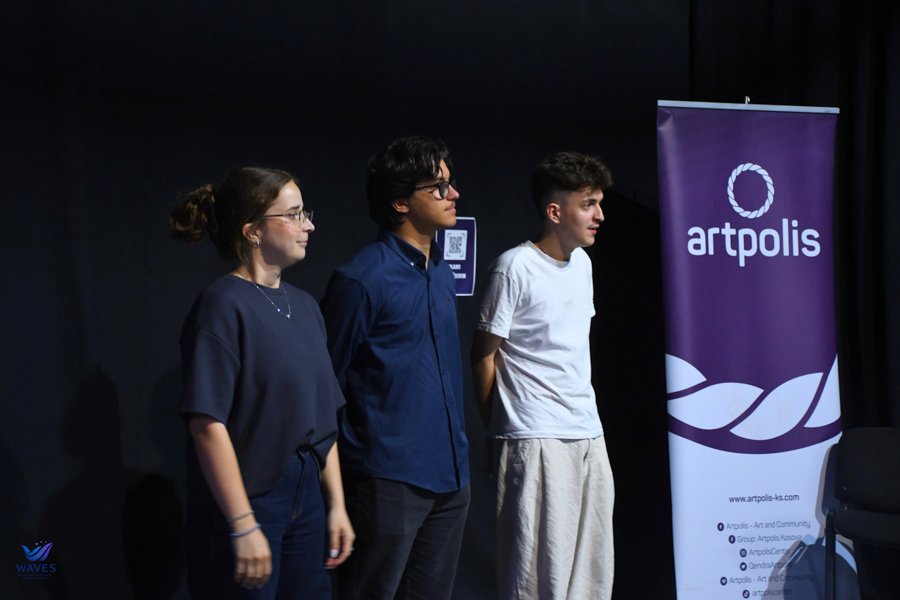
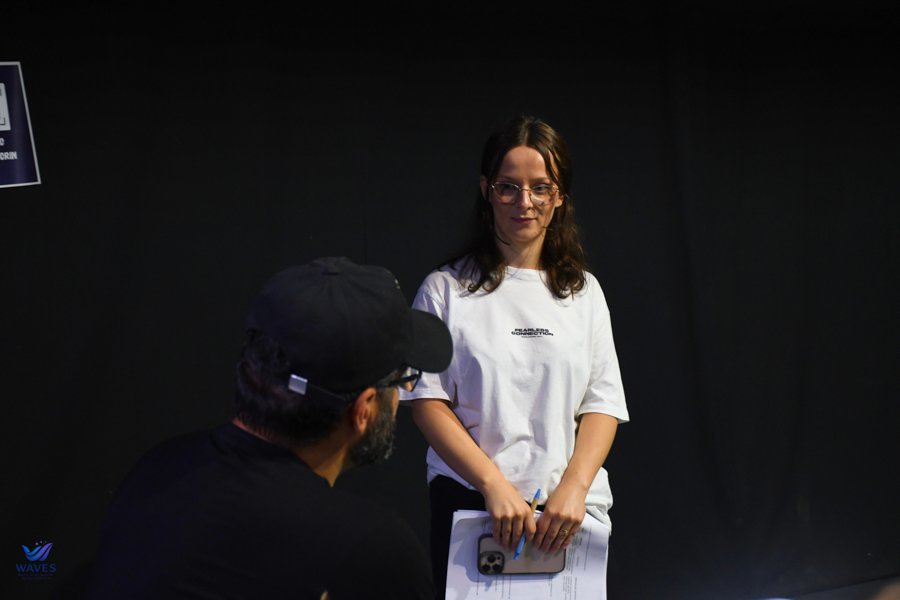
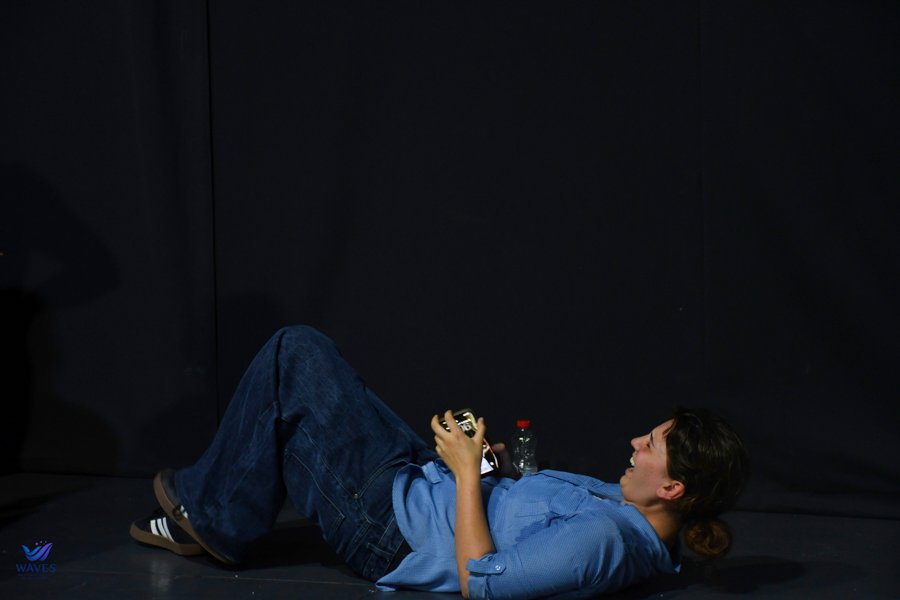
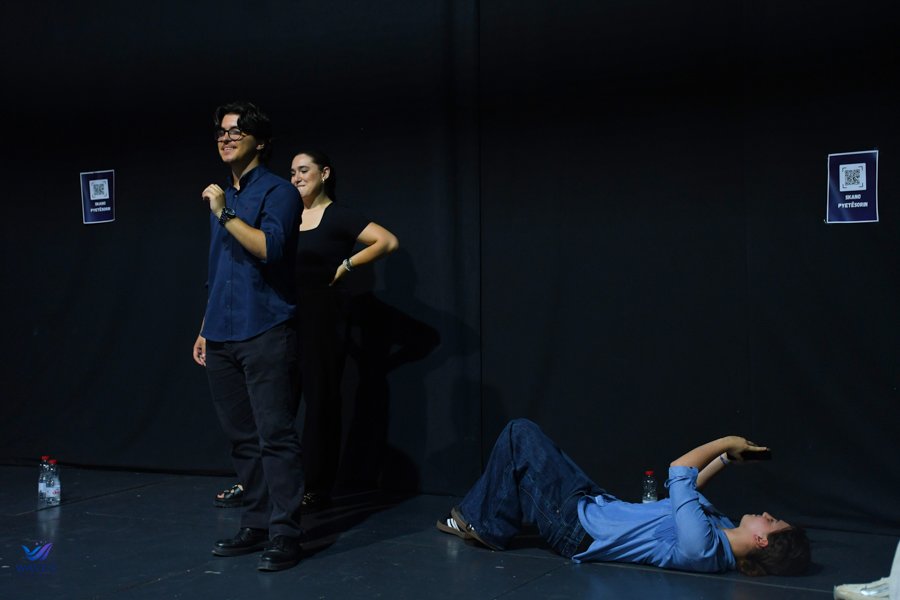
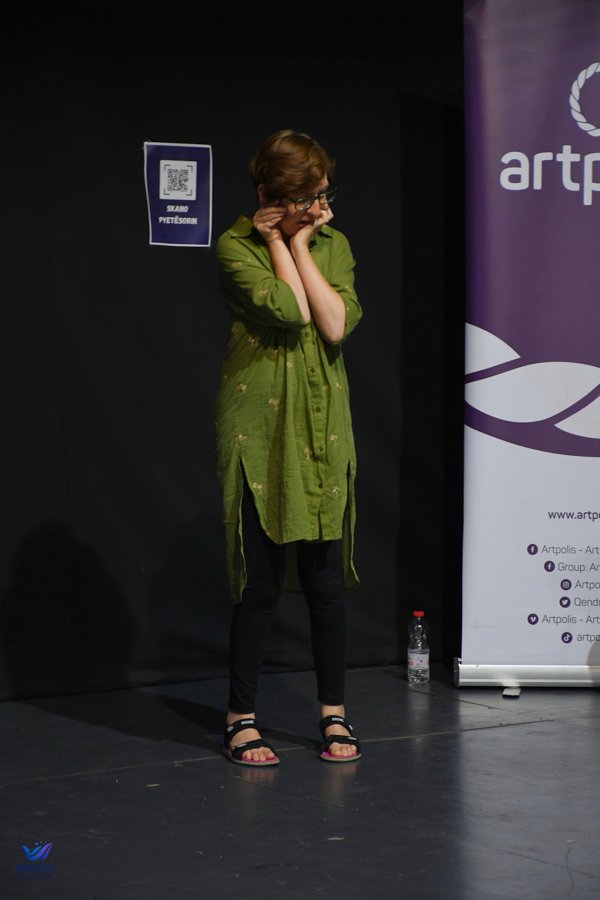
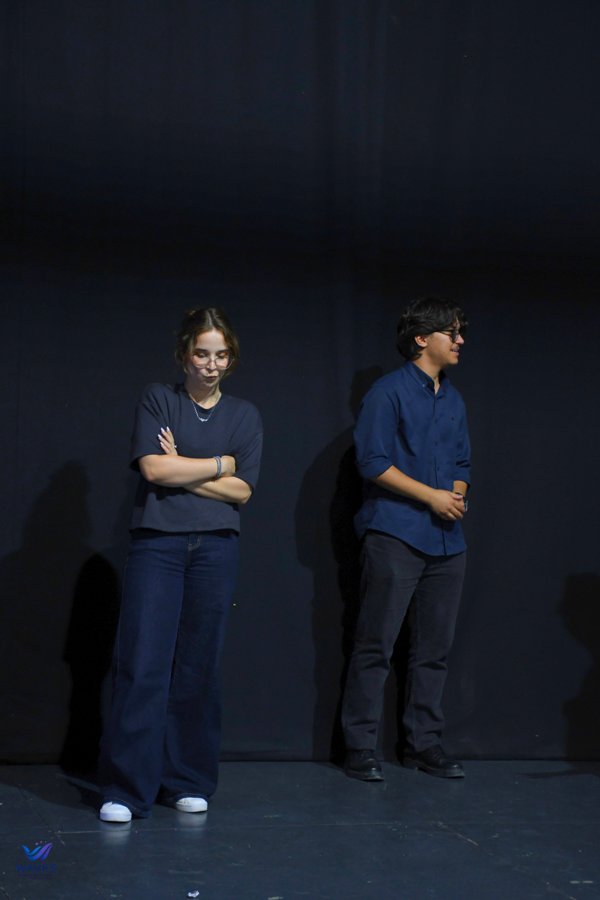
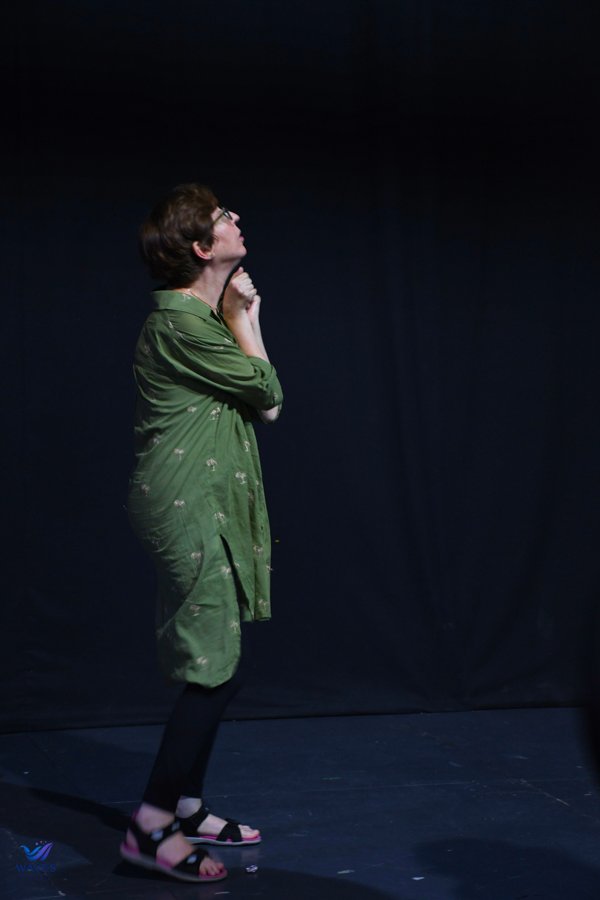
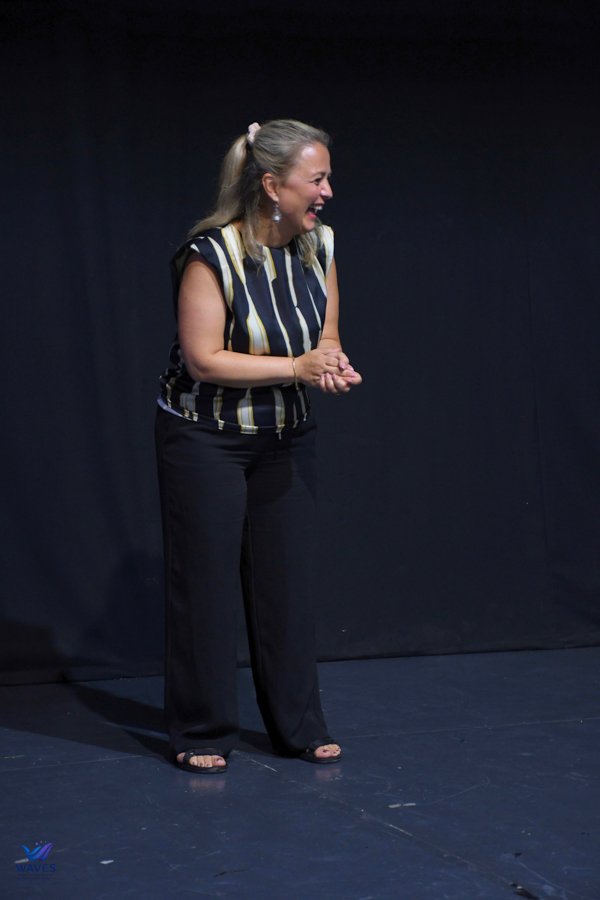
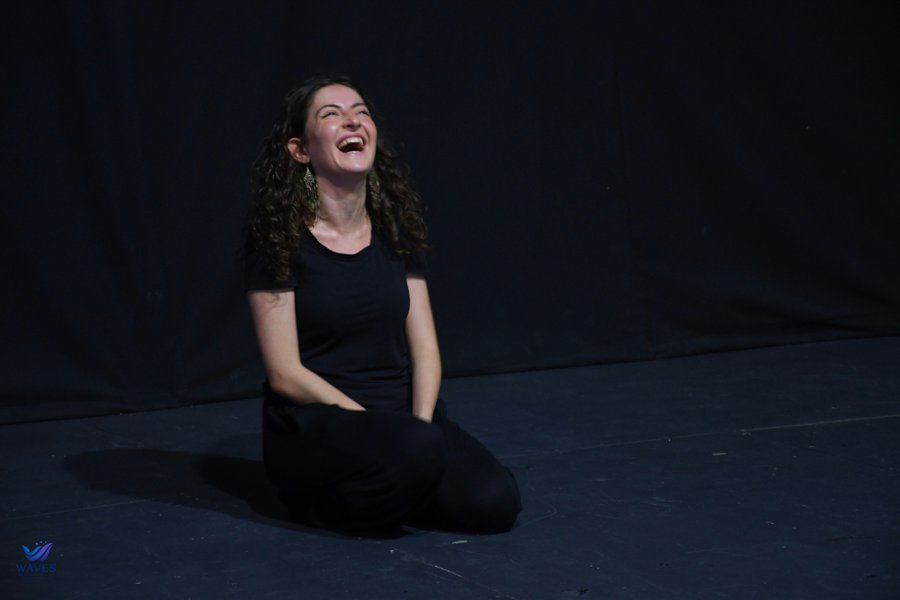
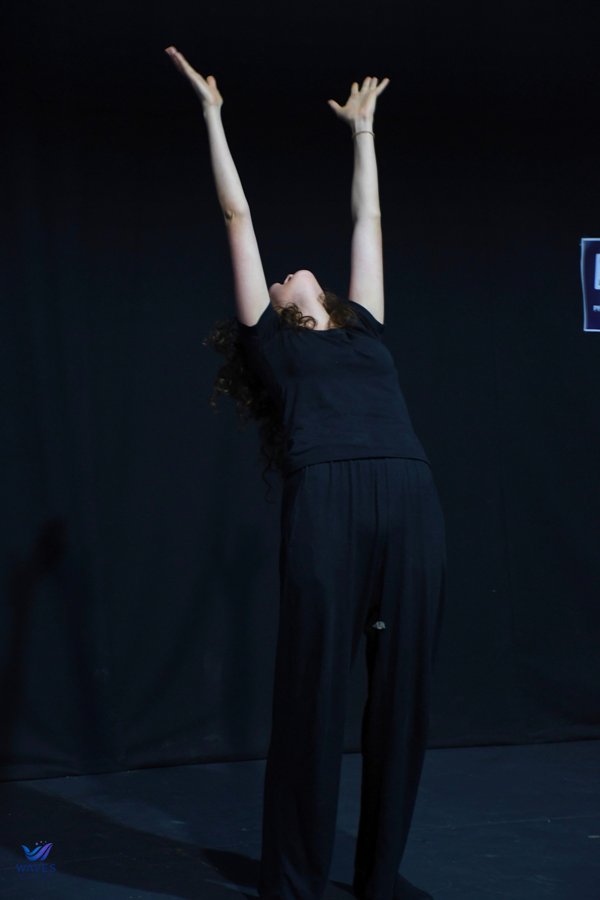
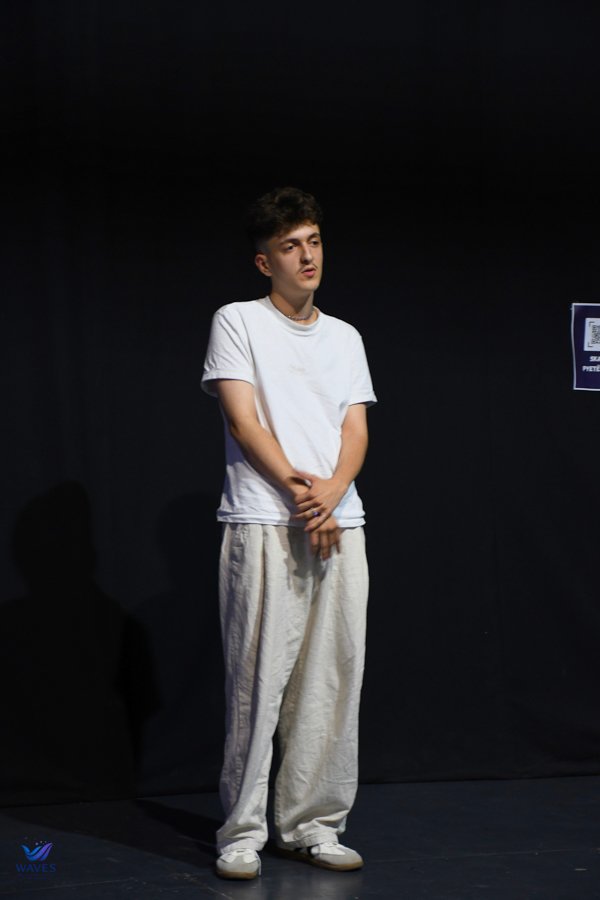
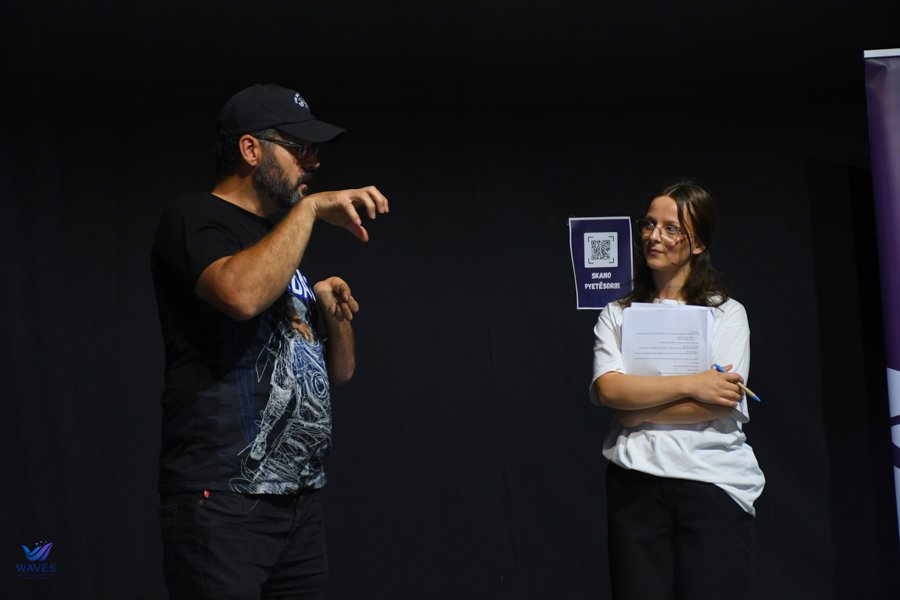
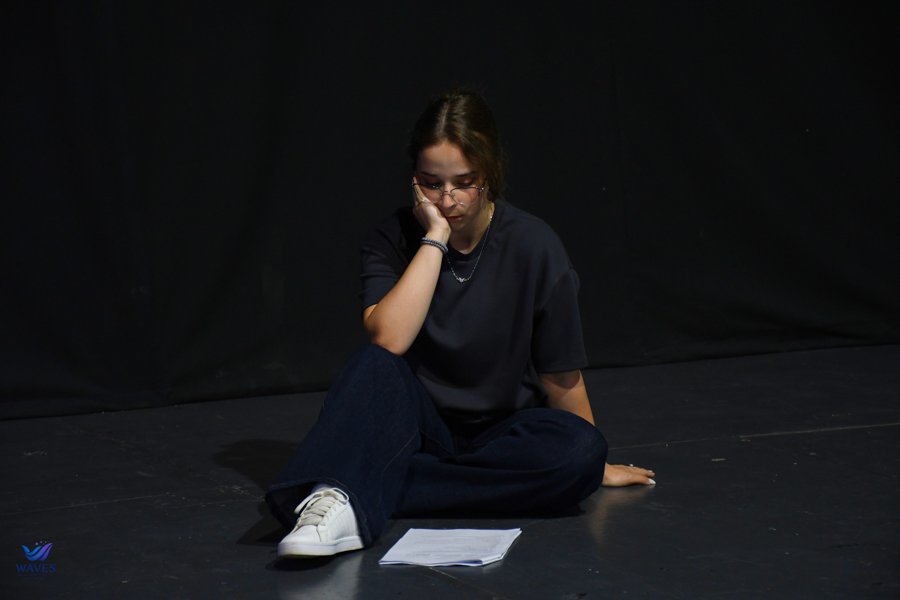
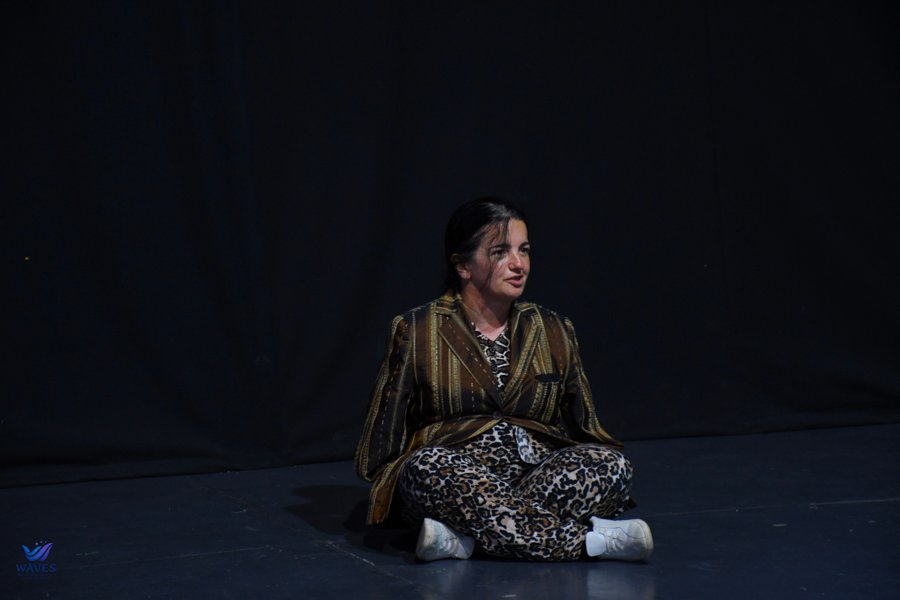
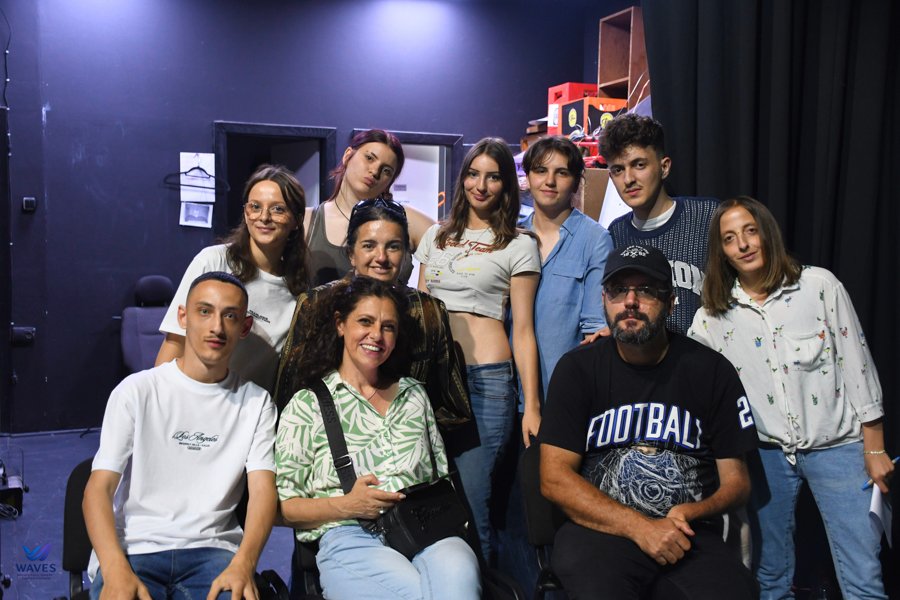
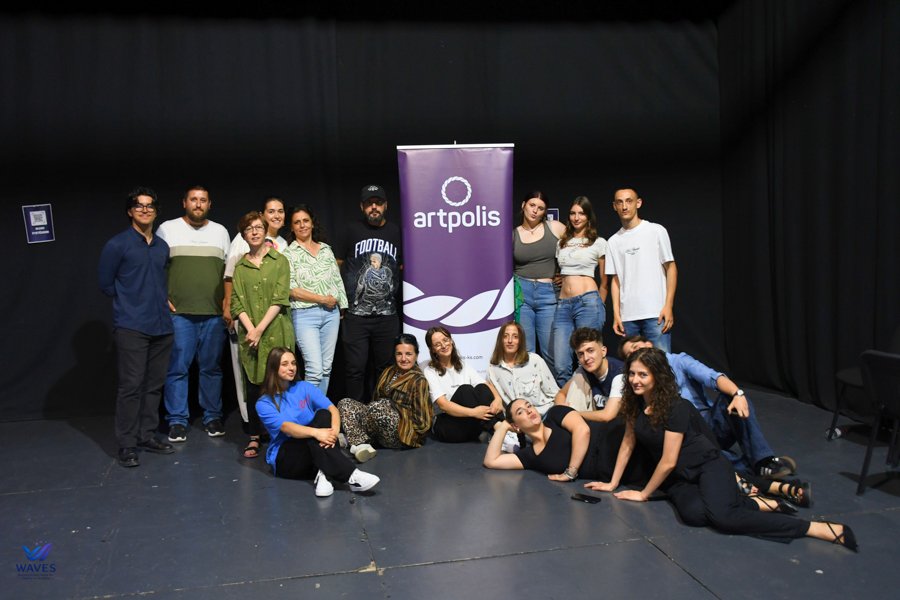
On 24 June 2026, the workshop “Playback Theatre: The Stories That Shape Us“ took place at Dodona Theatre in Prishtina, facilitated by Zana Hoxha and Albana Gashi.
Through the Playback Theatre methodology, 17 participants shared personal stories, reflected on their identities, challenges, and aspirations, while trust-building, active listening, and improvisation exercises created a safe space for expression, empathy, and connection. Conversations around the people they aspire to become—and the obstacles they have faced—opened the door to honest dialogue and meaningful relationships within the group.
One of the workshop’s most powerful moments was the exercise “Just Like Me,” where participants spoke about experiences of discrimination, prejudice, fear, loneliness, and violence, alongside stories of resilience, hope, and survival. During the reflection session, many shared that, for the first time, they felt truly heard, understood, and reassured that they were not alone in their experiences.
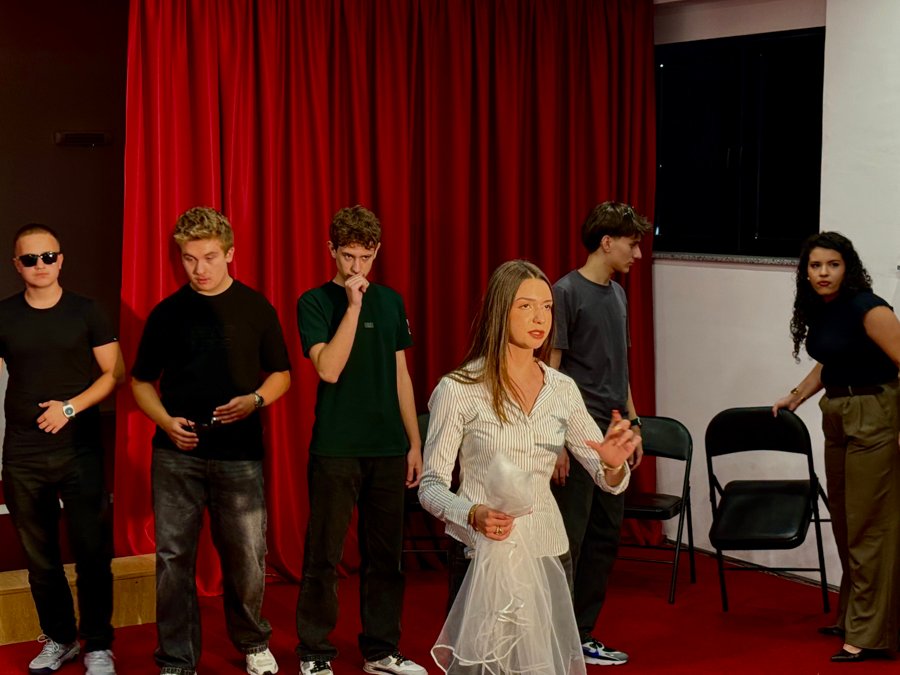
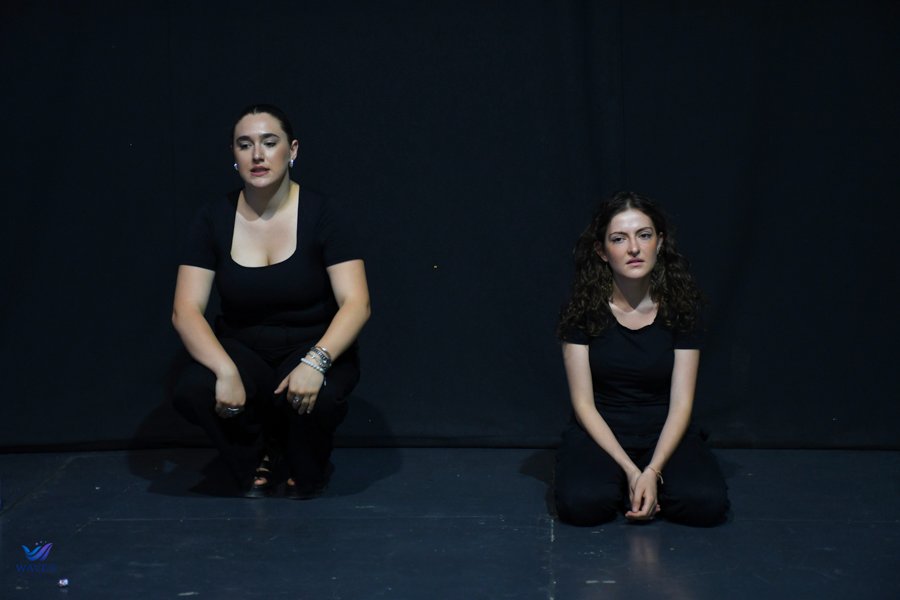
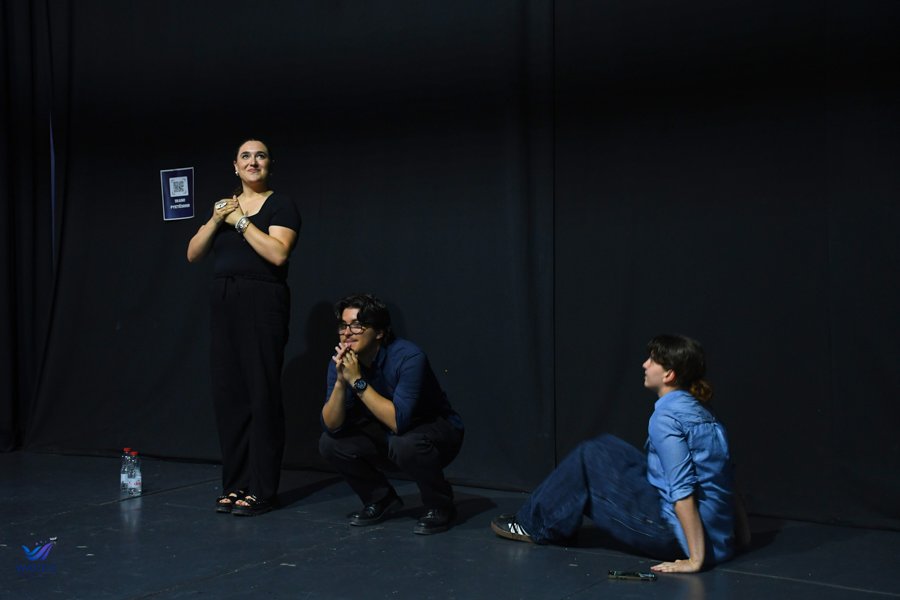
In the practical part of the workshop, emotions were transformed into movement, images, and voice through Playback Theatre techniques. Participants’ personal stories were brought to life by the group, turning individual experiences into collective ones. Stories of discrimination, self-doubt, stage fright, violence, perseverance, empowerment, and achievement became powerful reminders that art can transform pain into strength, solidarity, and hope.
The workshop demonstrated the transformative power of Playback Theatre to build community, foster dialogue, and create a space where every story is heard, respected, and valued as a source of inspiration for others.
This activity was organized within the framework of the WAVES project, co-funded by the European Union. However, the views and opinions expressed are solely those of the author(s) and do not necessarily reflect those of the European Union or the European Education and Culture Executive Agency (EACEA). Neither the European Union nor EACEA can be held responsible for them.
August 24, 2026
InitiativesFor over twenty years, we’ve believed in the power of art to change lives. We've used theater to educate thousands of young people. We've brought the FemArt Festival to life…
Read More
August 10, 2026
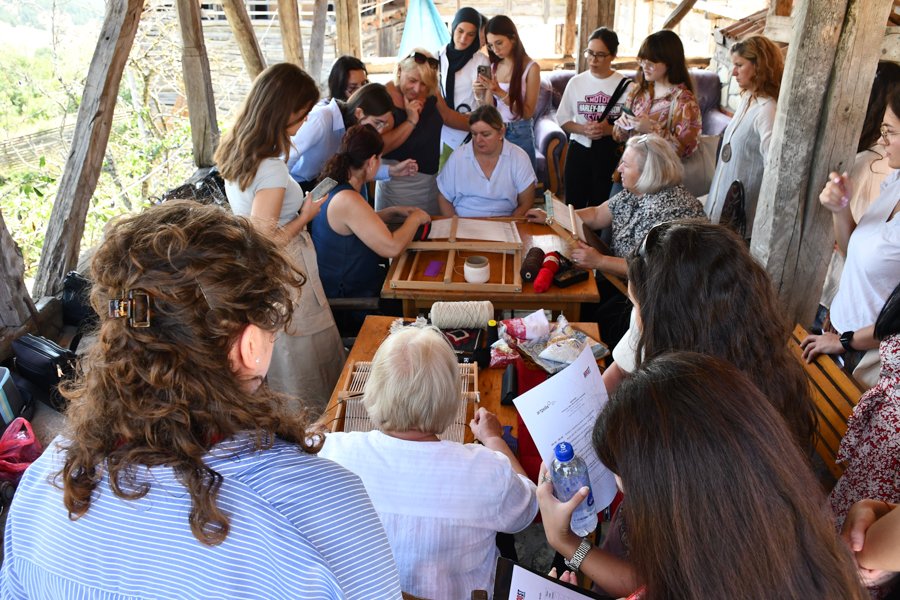
Workshops10.08.2026 On 10 August 2026, on the closing day of the 16th edition of Etno Fest in Kukaj Village, Artpolis, in cooperation with Etno Fest and QPDG, organized the workshop…
Read More
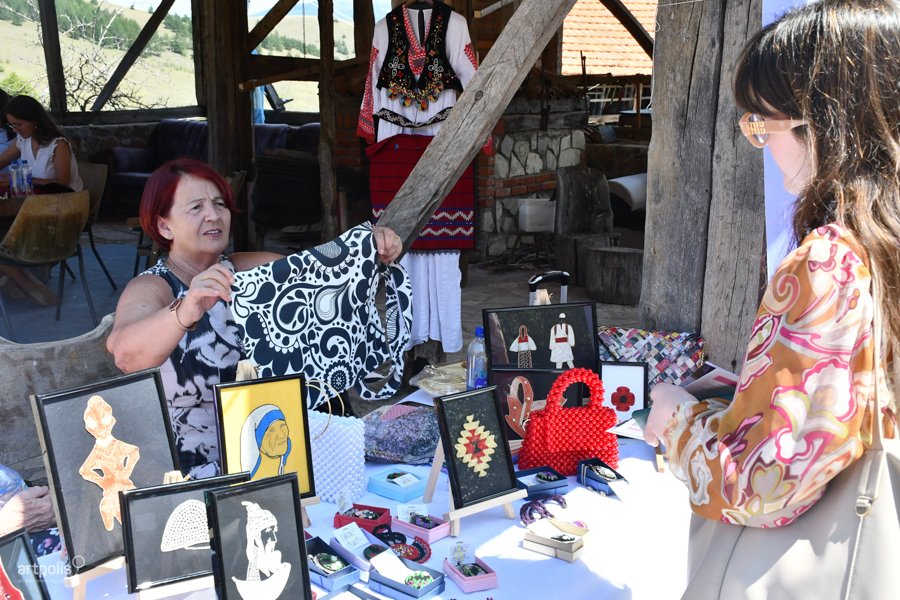
09-10.08.2026 On 9 and 10 August 2026, as part of the 16th edition of Etno Fest in Kukaj Village, the sales exhibition “Corner of Courage” was held, organized by Artpolis…
Read More