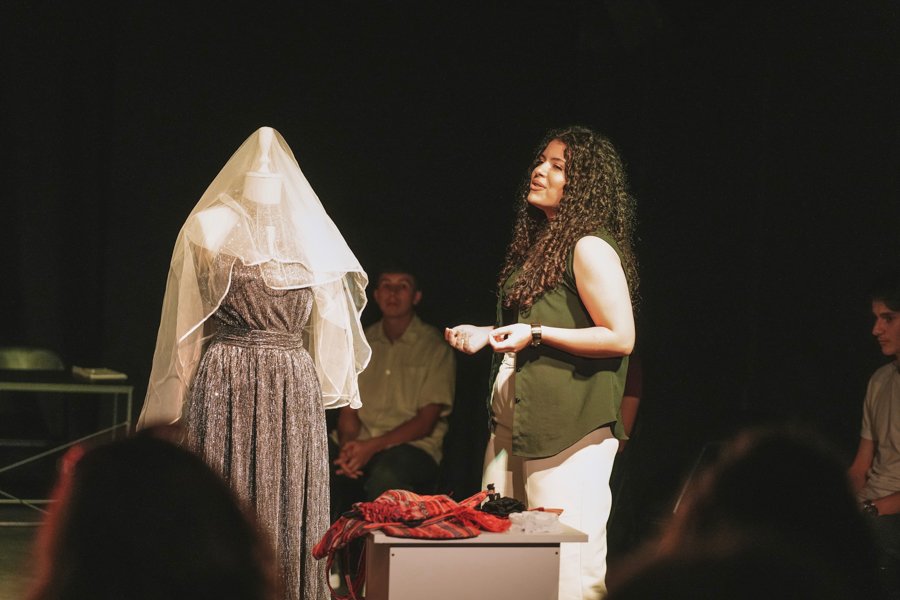
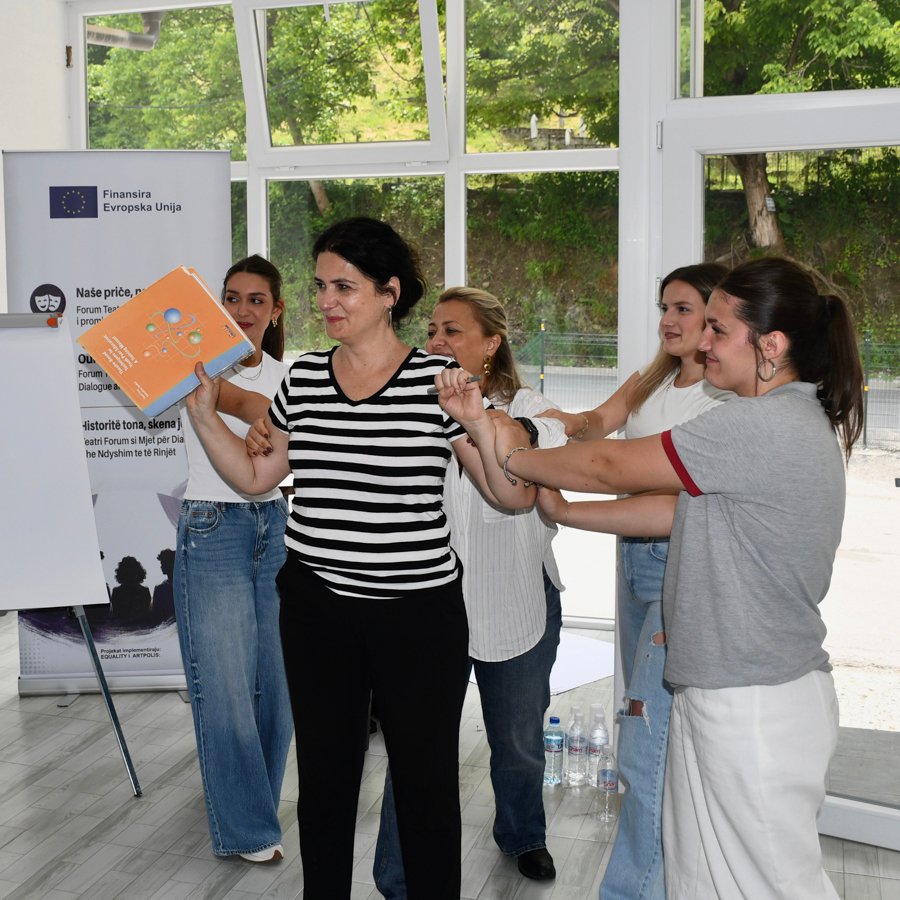
“Our Stories, Our Stage” brought dialogue to Barabar Centre, Prishtina
July 16, 2026
July 16, 2026
July 14, 2026
June 8, 2026

May 25, 2026
August 24, 2026
August 10, 2026
August 9, 2026
September 27, 2024

March 22, 2023
22.04.2026
At a time when the digital world is often perceived as a space of entertainment, the forum theatre performance “Behind the Screen” emerges as a direct intervention in the collective consciousness of young people—an artistic act that seeks not comfort, but confrontation.
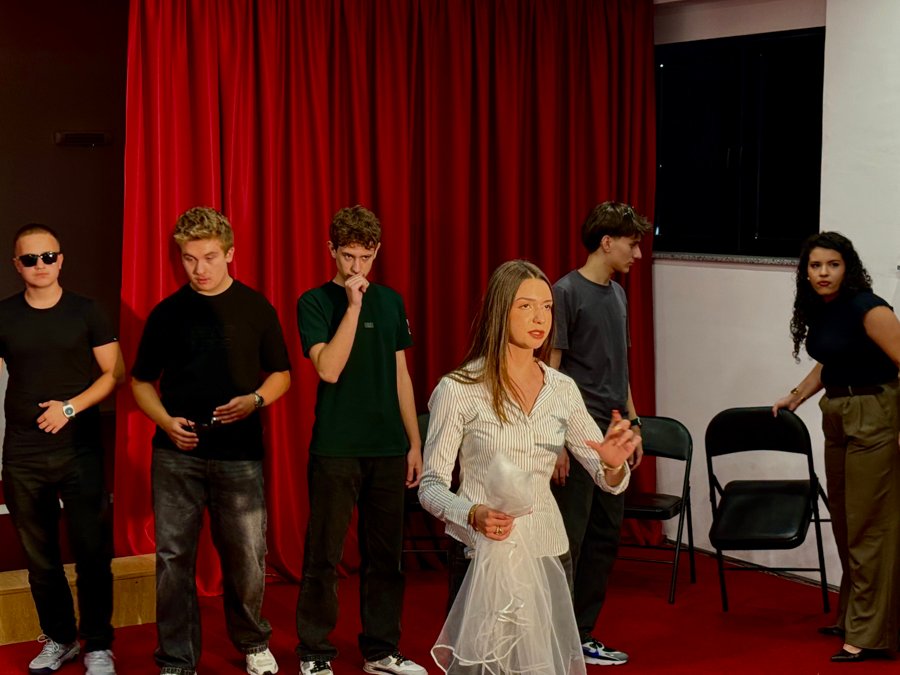
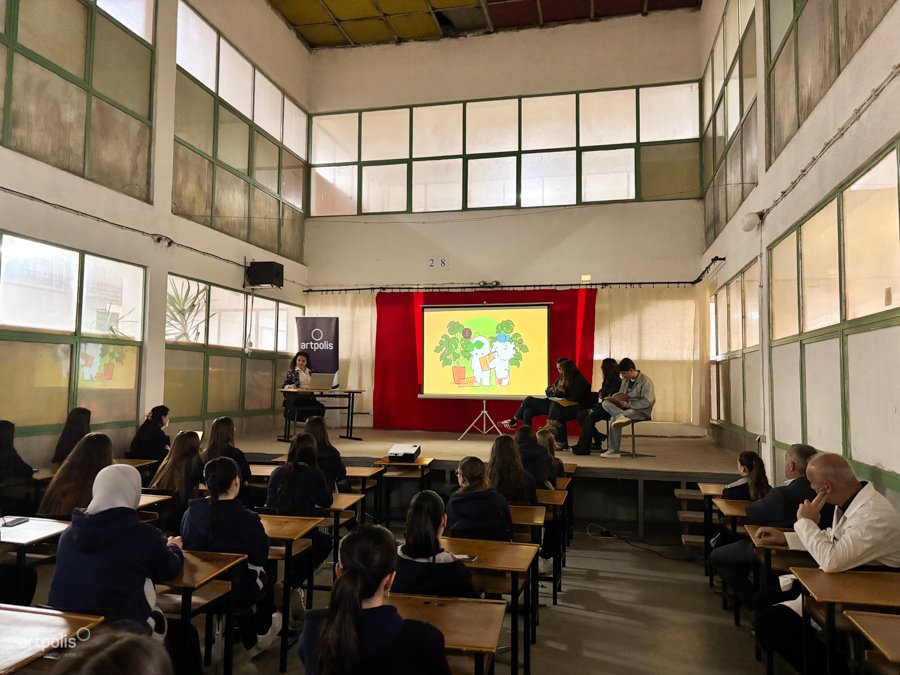
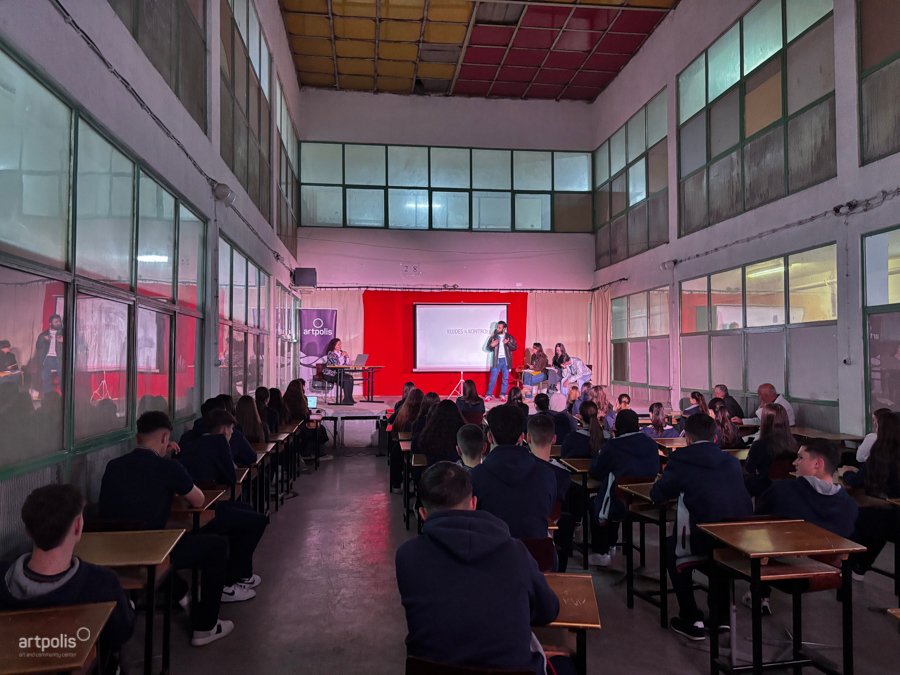
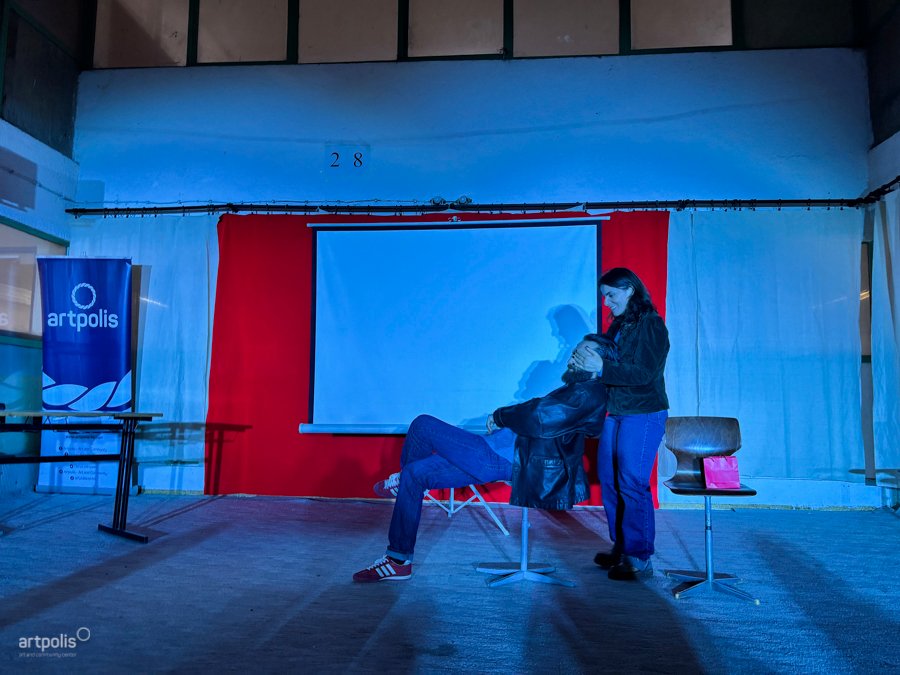
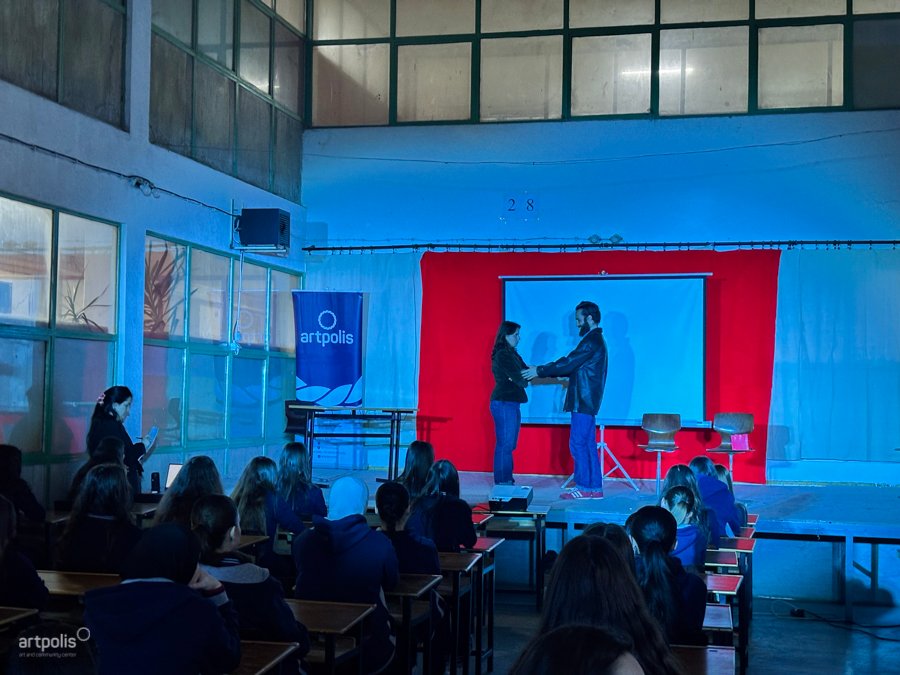
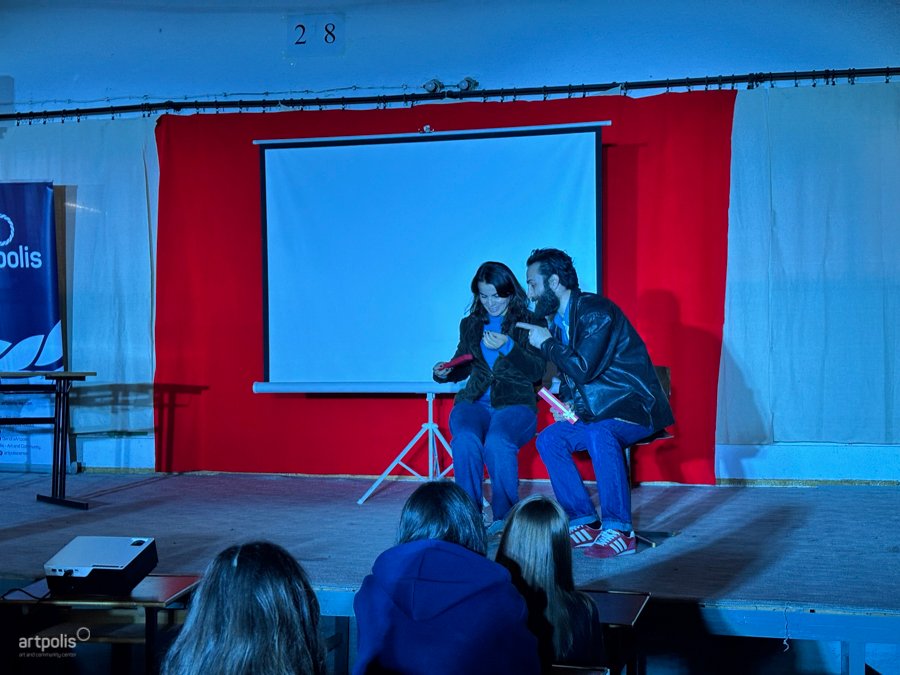
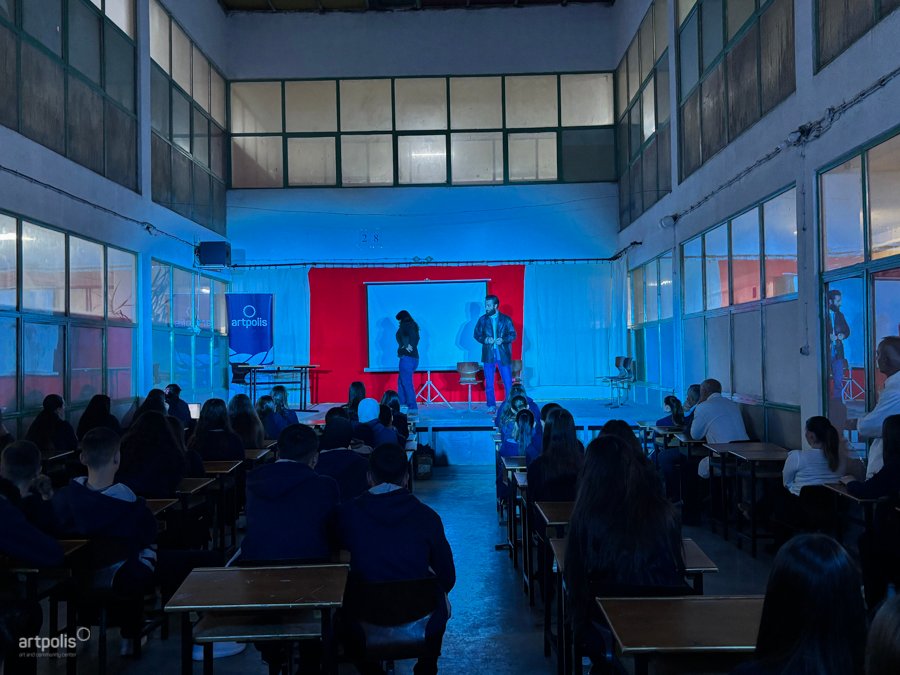
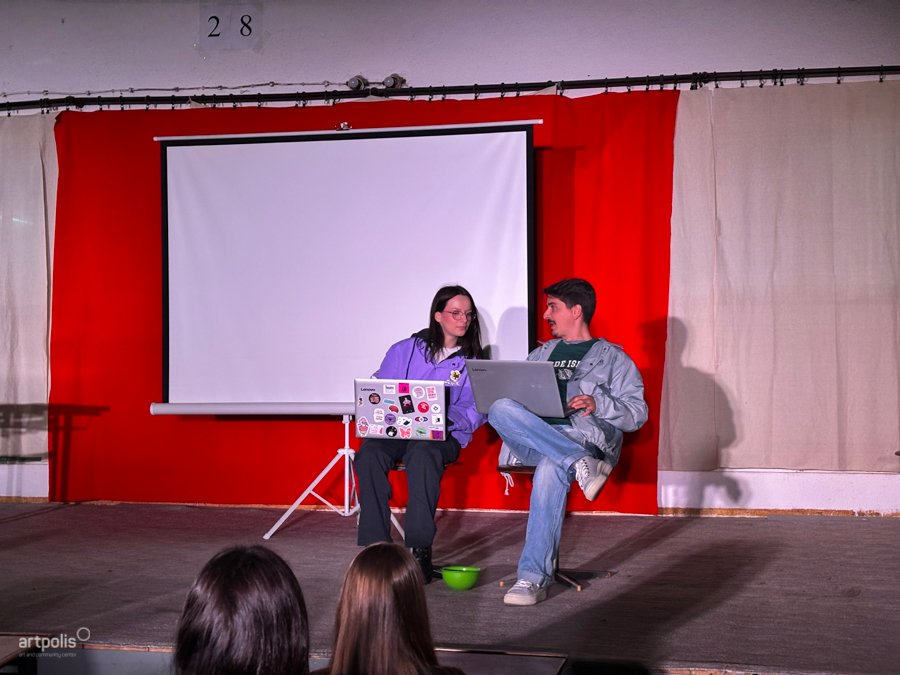
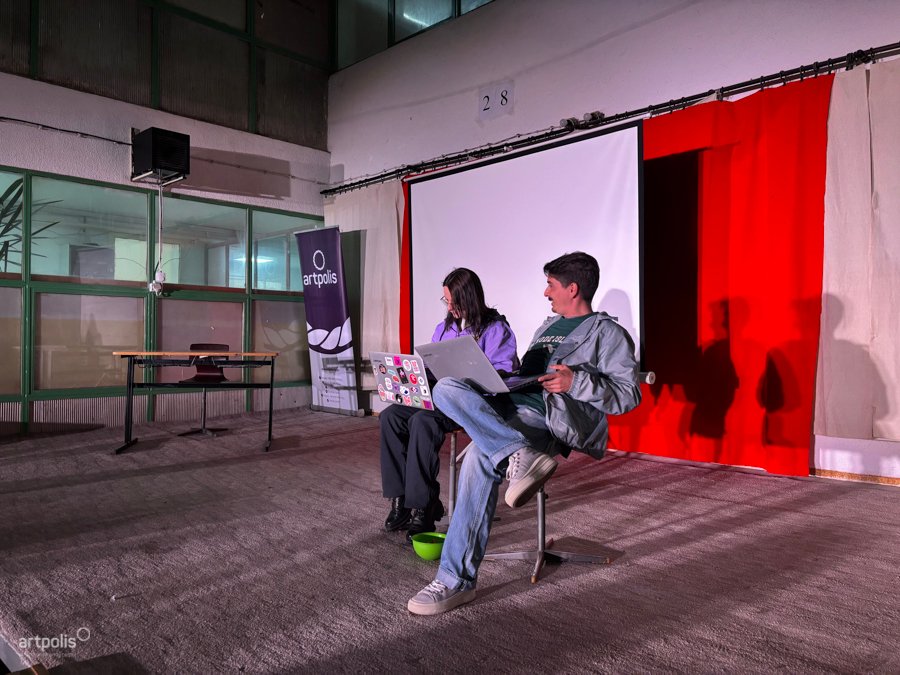
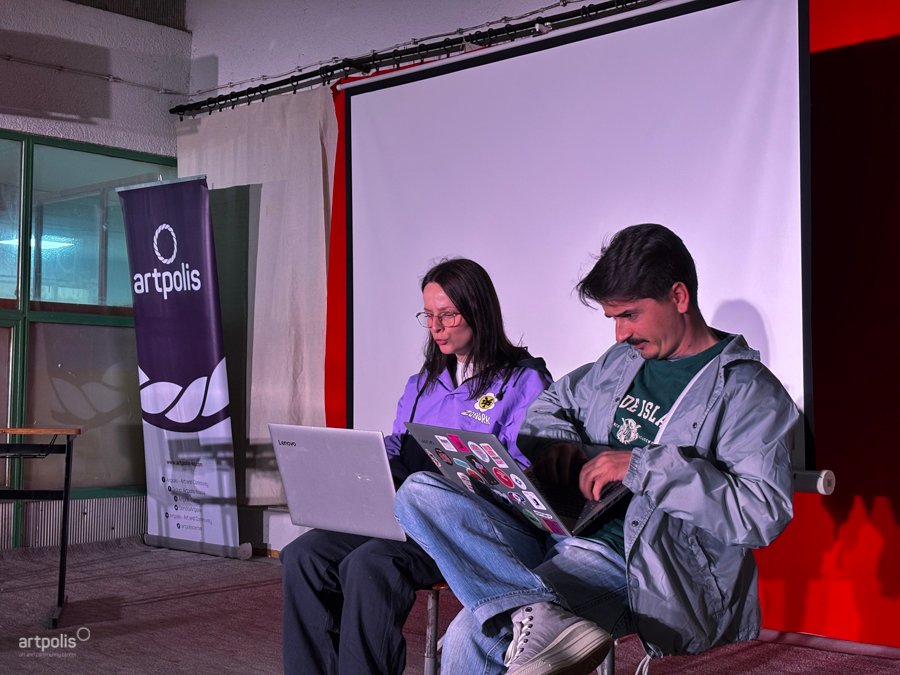
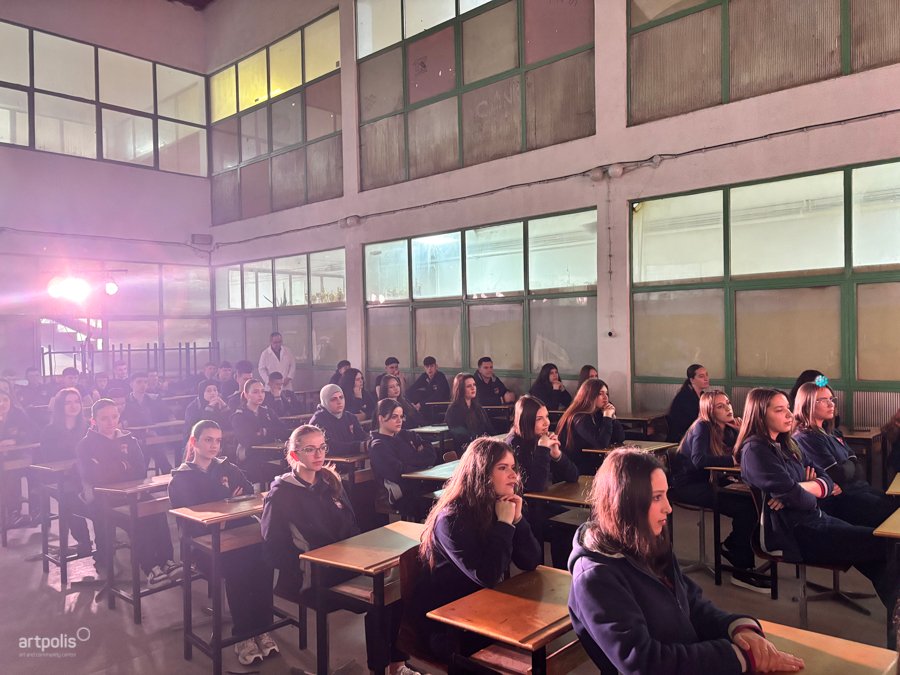
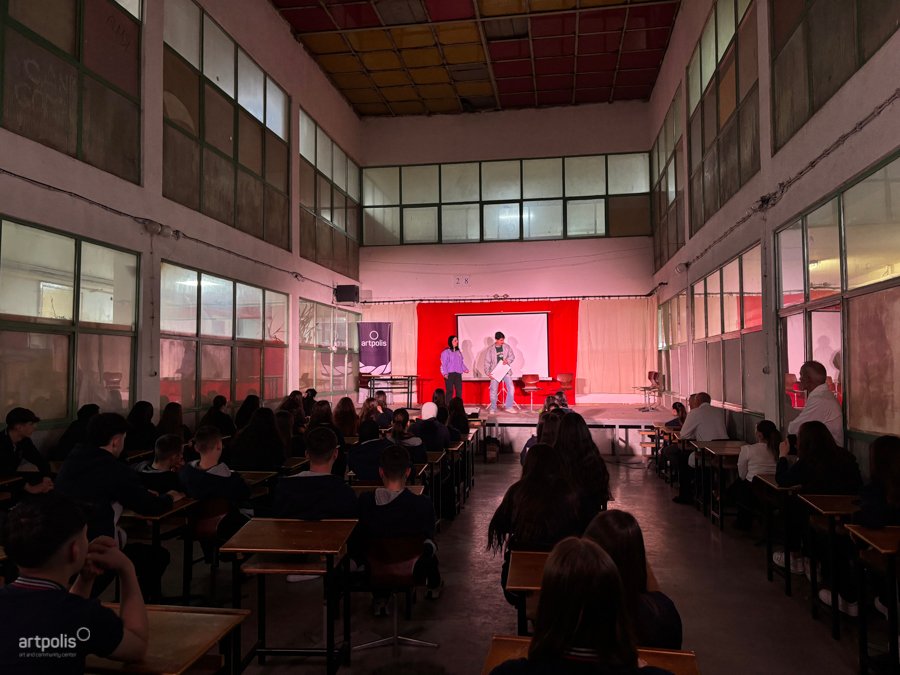
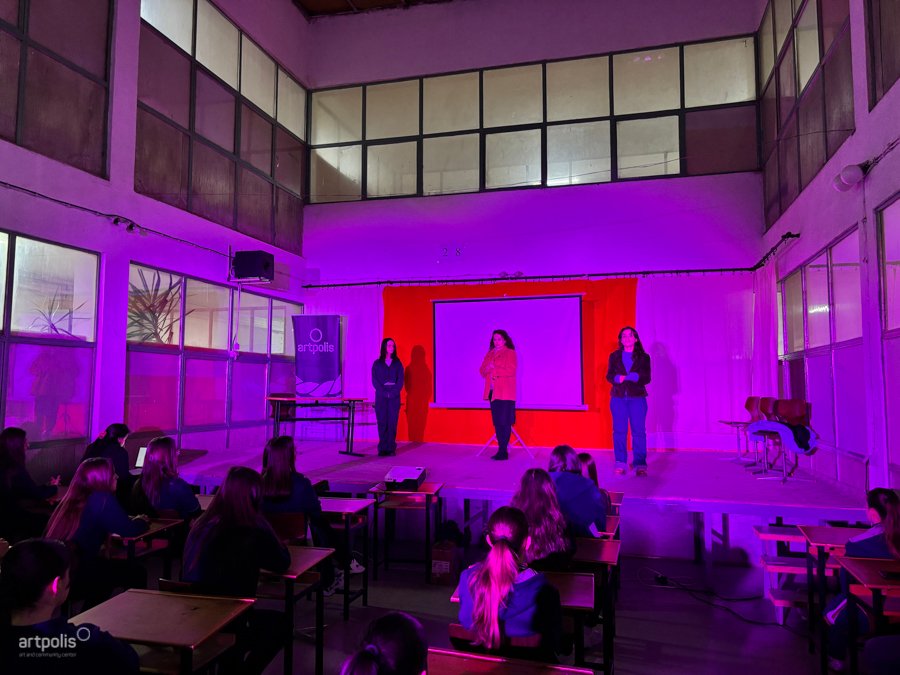
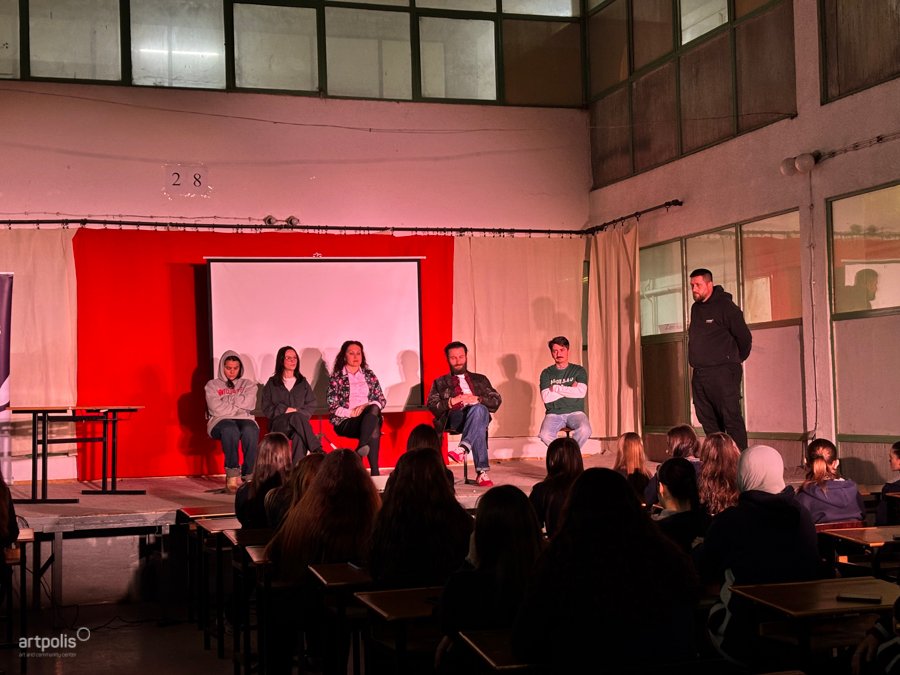
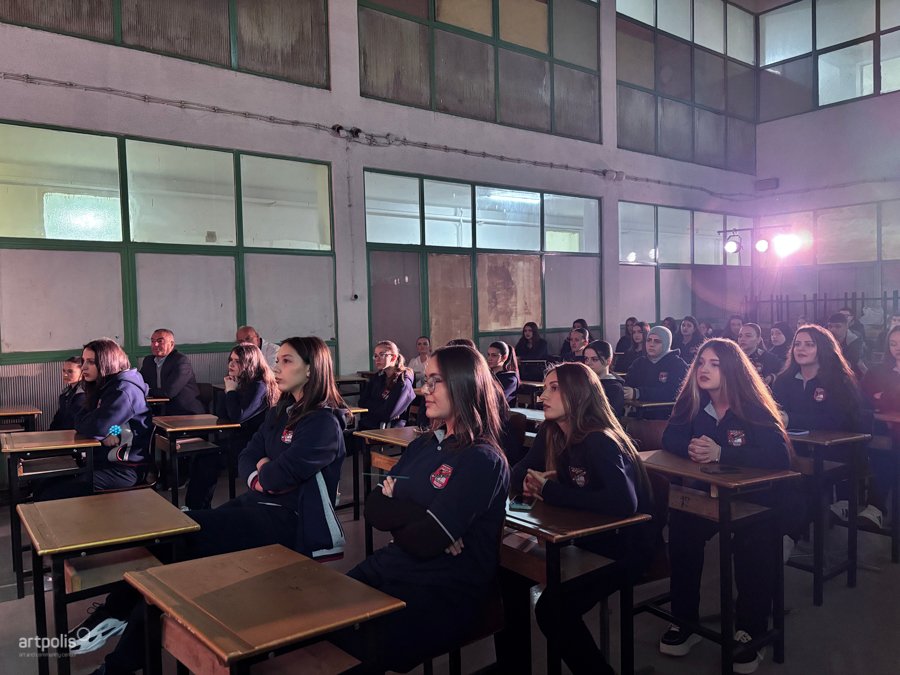
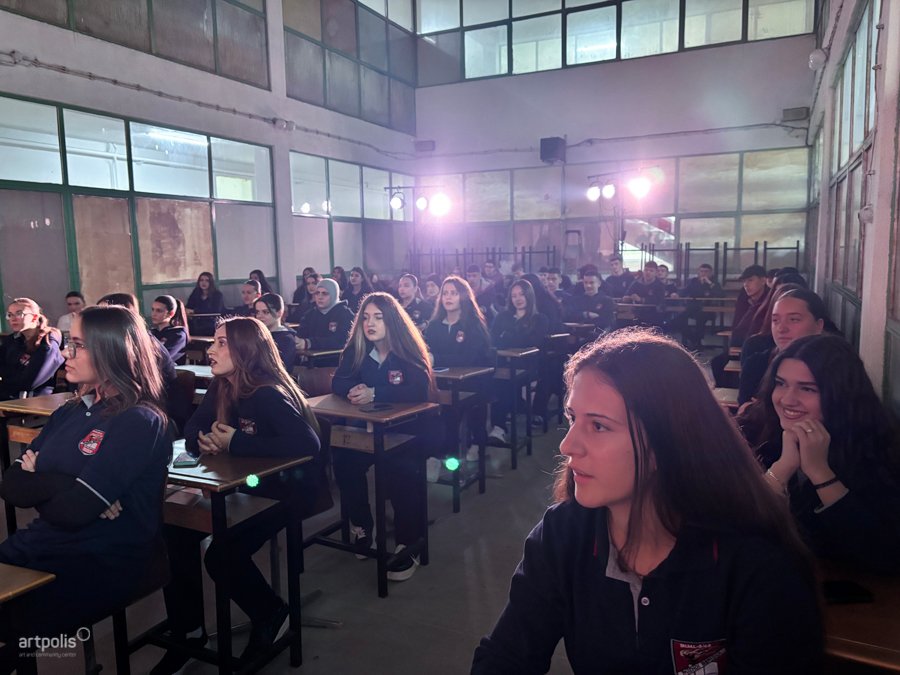
Written and directed by Zana Hoxha, the performance refuses to remain within the limits of traditional stage representation. Through the method of forum theatre, it breaks those boundaries, transforming the audience from passive observers into critical and engaged participants. Presented on April 22, 2026, at “Ruzhdi Berisha” High School in Dragash, the performance became an open process of reflection on psychological violence, emotional control, and the invisible power structures reproduced through technology.
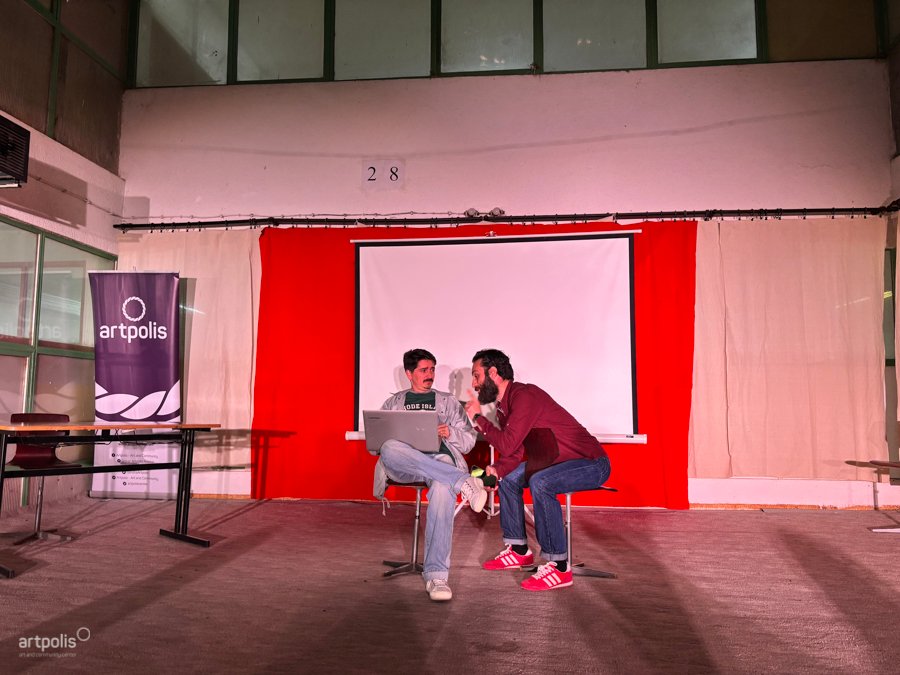
At the heart of the narrative are the relationships between a group of students and their teacher—a microcosm where generational tensions, social pressure, and the influence of “manosphere” discourses intersect. These narratives do not appear as abstract theories, but as embodied, painful, and deeply familiar realities. The performance creates a space where violence is not only identified, but actively deconstructed.
Students’ reactions testify to the impact of this approach. One student from “Ruzhdi Berisha” High School noted: “I think it was a very sensitive and relevant topic for our age, which is already a vulnerable stage, especially in high schools. The acting was also very powerful, especially in the way it made us feel. The performance of the two boys, who irritated and disturbed the audience, showed how well they acted by expressing all our emotions.”
This response goes beyond aesthetic appreciation; it signals emotional identification and a shared discomfort that the performance successfully articulates. The audience’s irritation becomes evidence of the performance’s success—a success measured not in applause, but in disturbance.
Another student deepened this reflection by connecting it to personal and family realities:
“The performance gave me both a good and a bad feeling, especially because of those two boys who believed girls should always be controlled. I have many similar cases in my own family… Also, regarding Krenar’s behavior… you cannot approach a girl with those gestures, because she needs to understand that his intentions are self-serving and based on personal gain.”
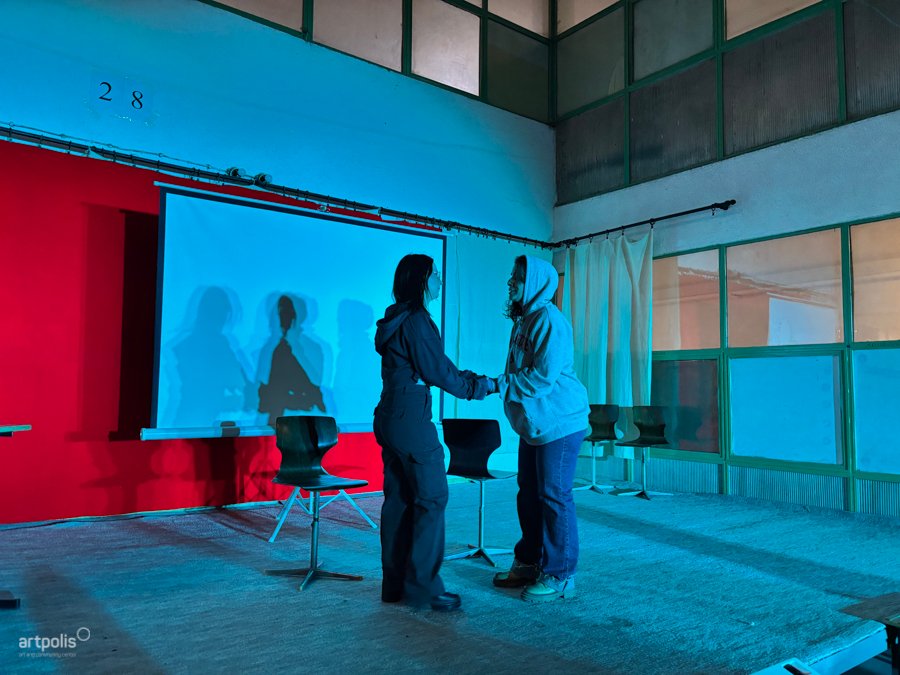
Here, theatre transcends fiction and becomes a mirror of social structures that continue to produce inequality and violence. The figure of Ardi and Krenar—as a representation of emotional manipulation disguised as love—and the story of Professor Drita, who carries the wounds of ongoing abuse, are not merely characters; they are archetypes of everyday reality.
The performances by Ismail Kasumi, Qendresa Kajtazi, Anisa Ismaili, Edlir Gashi, and Albana Gashi build a sustained emotional tension, where the boundary between role and reality often dissolves. In particular, the portrayal of controlling and dominant attitudes provokes immediate audience reaction, compelling viewers to take a stance.
Organized by Artpolis – Art and Community Center, with the support of Kosova Women’s Network and East-West Management Institute, the performance demonstrates how art, when engaged and conscious, can function as a tool for social transformation.
In this sense, “Behind the Screen” is a call to look beyond the screen, to confront the realities that begin where the digital illusion ends.
August 24, 2026
InitiativesFor over twenty years, we’ve believed in the power of art to change lives. We've used theater to educate thousands of young people. We've brought the FemArt Festival to life…
Read More
August 10, 2026
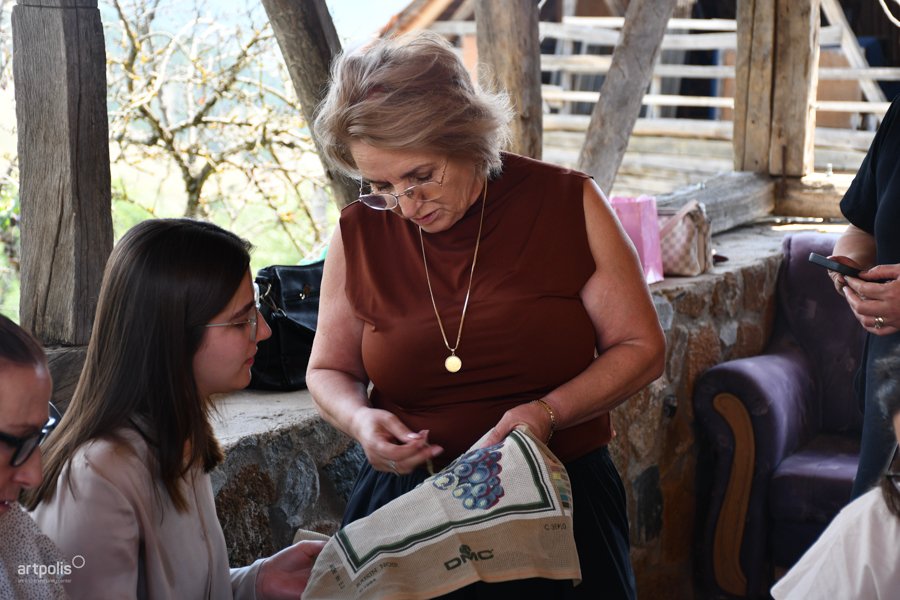
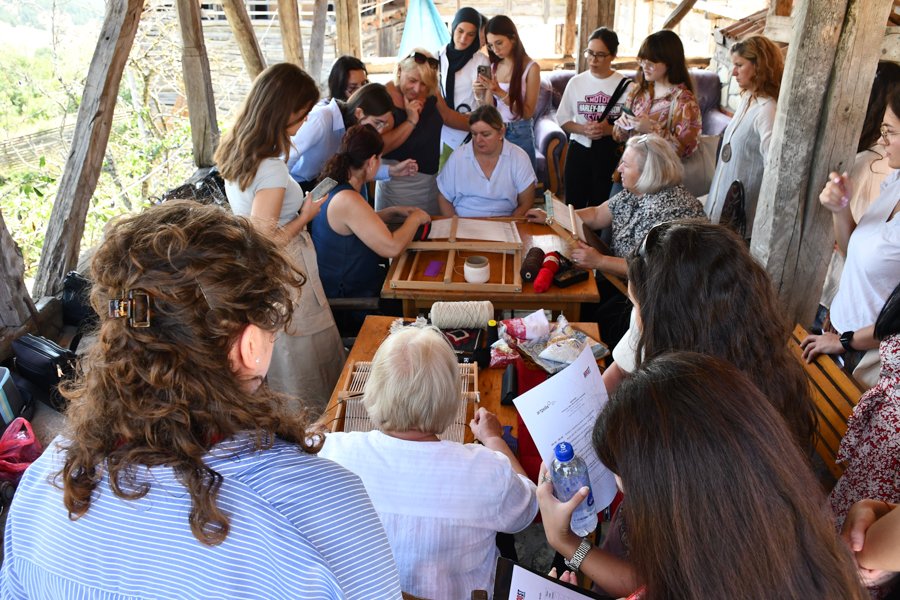
Workshops10.08.2026 On 10 August 2026, on the closing day of the 16th edition of Etno Fest in Kukaj Village, Artpolis, in cooperation with Etno Fest and QPDG, organized the workshop…
Read More
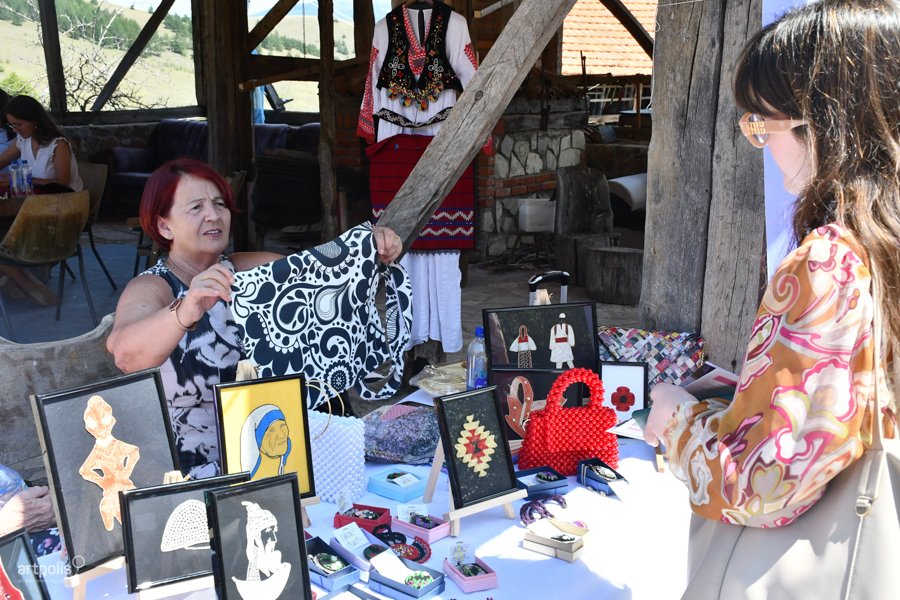
09-10.08.2026 On 9 and 10 August 2026, as part of the 16th edition of Etno Fest in Kukaj Village, the sales exhibition “Corner of Courage” was held, organized by Artpolis…
Read More