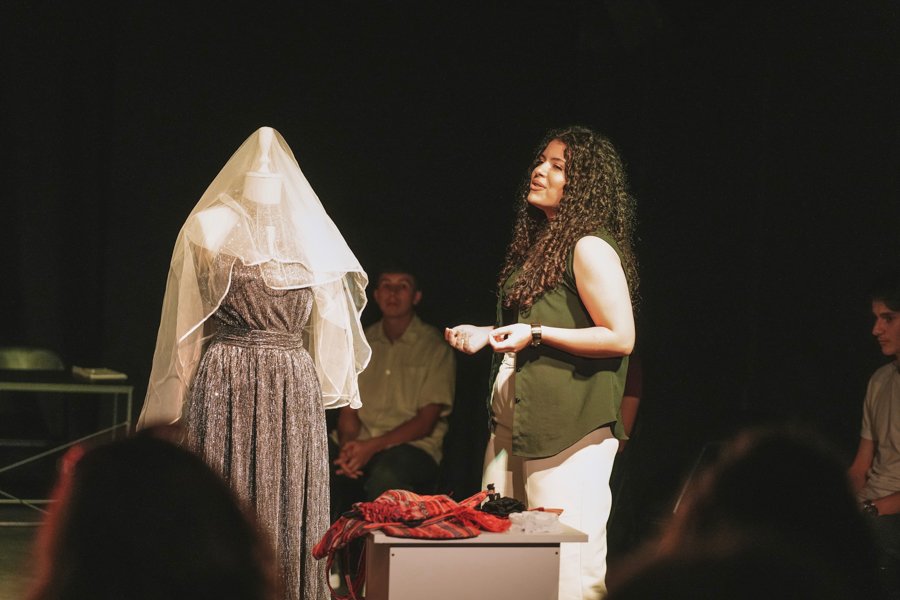
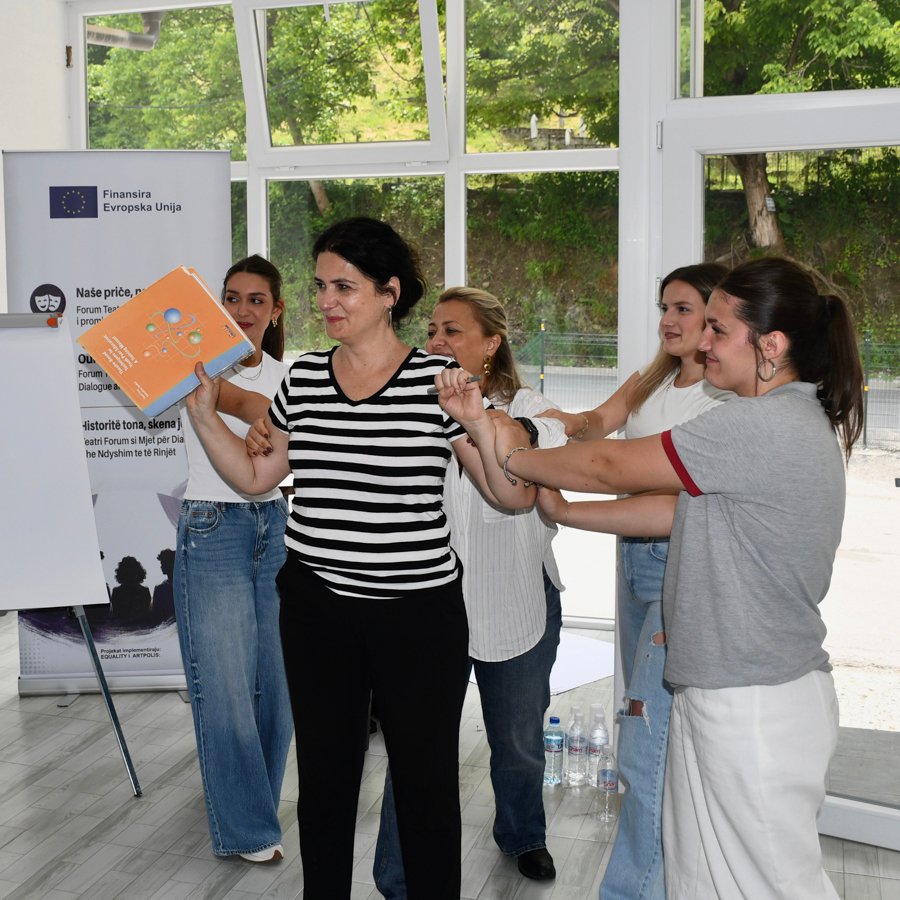
“Our Stories, Our Stage” brought dialogue to Barabar Centre, Prishtina
July 16, 2026
July 16, 2026
July 14, 2026
June 8, 2026
May 25, 2026

August 24, 2026
August 10, 2026
August 9, 2026
September 27, 2024

March 22, 2023
By Madison Tucker
On Saturday, June 13, 2026, more than 65 participants gathered at the train station in Pristina for an unforgettable journey where art transformed public space into a moving stage.
Organized by Artpolis as part of the project Heritage Horizons: A Journey Across Generations, Art on the Train invited passengers of all ages, ethnicities, and backgrounds to travel from Pristina to Peja while experiencing a vibrant program of live performances, poetry, and visual art.
From the moment the train departed, the atmosphere inside the carriages was filled with anticipation, laughter, and music. What began as a train ride quickly evolved into a shared cultural experience as artists moved through the aisles, engaging directly with passengers and turning each carriage into an intimate performance space.
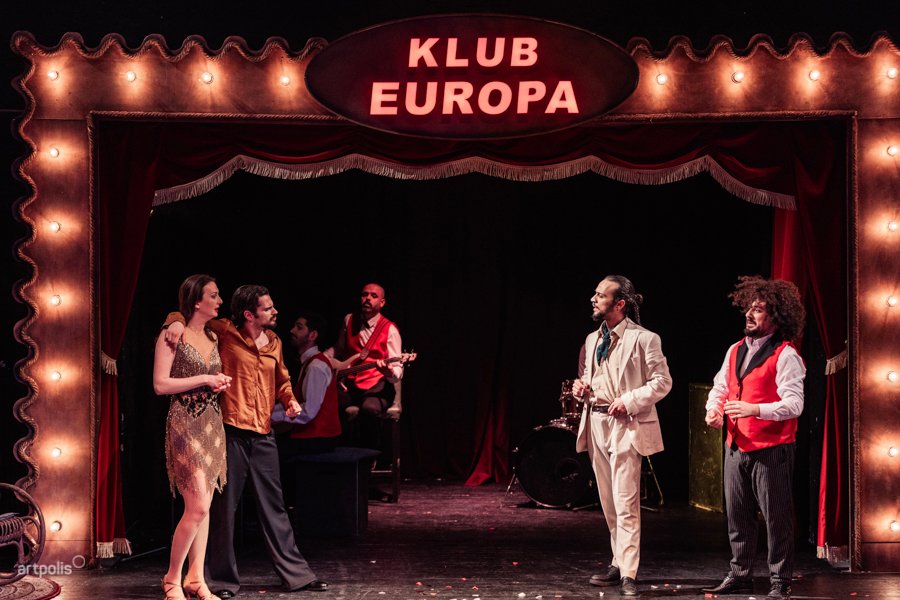
The musical group Frymëzë set the tone for the journey with live performances that encouraged passengers to sing along, clap to the rhythm, and dance in the aisles. Theatre artists Olisa Basha, Festim Bajçinca, Ardit Hyseni, and Etnike Bogaj brought excerpts from Molière’s classic Tartufi to life, captivating audiences with dynamic performances that blurred the boundaries between actors and spectators.
Actor Albana Gashi shared powerful readings that invited moments of reflection amid the excitement, while Drilona Hamiti’s photography exhibition transformed the train itself into a mobile gallery. Adding another layer to the sensory experience, flutist Alba Basha filled the carriages with melodies that accompanied the changing landscapes outside the windows.
Throughout the journey, the audience remained deeply engaged. Passengers stood, danced, applauded, and interacted with performers, creating an atmosphere of warmth and spontaneity that lasted from the first station to the final destination.
Perhaps the most remarkable aspect of Art on the Train was its ability to bring people together beyond language and cultural differences. Whether participants spoke Albanian or not, art became a shared language, one that fostered connection, curiosity, and collective joy.
Upon arriving in Peja, participants continued the experience with a guided tour led by Nora Draga, exploring the city’s rich history, cultural landmarks, and vibrant atmosphere.
More than a journey between two cities, Art on the Train demonstrated the power of art to transform everyday spaces into places of encounter and dialogue. It served as a reminder that creativity has the unique ability to connect generations, communities, and cultures with one shared experience at a time.
August 24, 2026
InitiativesFor over twenty years, we’ve believed in the power of art to change lives. We've used theater to educate thousands of young people. We've brought the FemArt Festival to life…
Read More
August 10, 2026
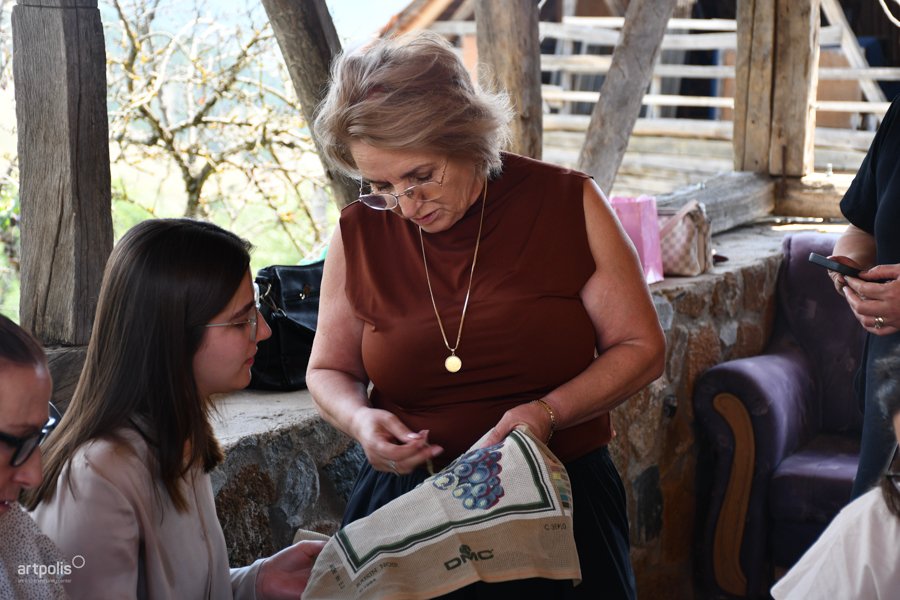
Workshops10.08.2026 On 10 August 2026, on the closing day of the 16th edition of Etno Fest in Kukaj Village, Artpolis, in cooperation with Etno Fest and QPDG, organized the workshop…
Read More
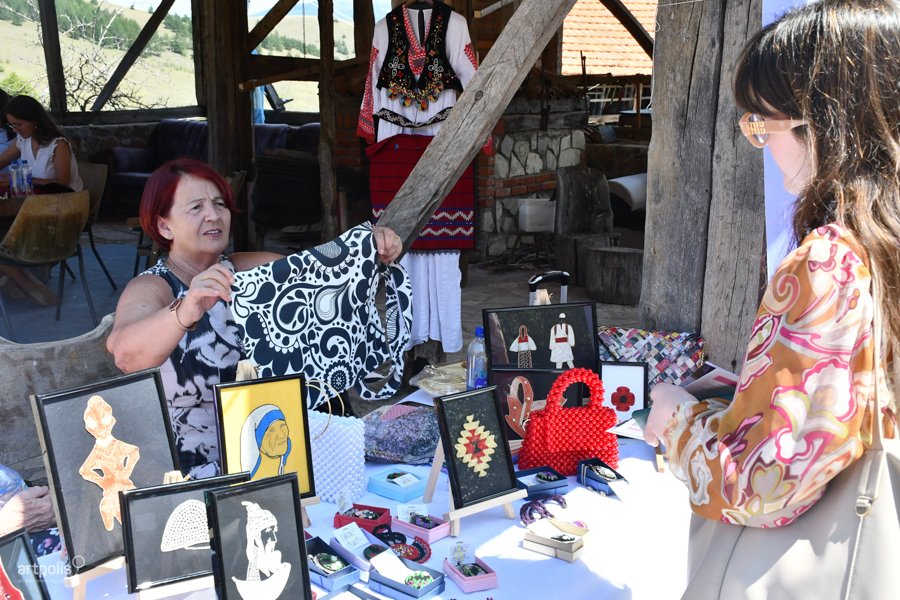
09-10.08.2026 On 9 and 10 August 2026, as part of the 16th edition of Etno Fest in Kukaj Village, the sales exhibition “Corner of Courage” was held, organized by Artpolis…
Read More